
Training Standards for Home Care Staff in Lahore
Training Standards for Home Care Staff in Lahore
The quality of home health careservices depends greatly on the knowledge, skills, and professionalism of the people providing care. Families in Lahore trust home care providers because they expect safe, compassionate, and reliable support for their loved ones. Whether caring for elderly parents, patients recovering from surgery, people with disabilities, or individuals managing chronic illnesses, trained caregivers make a significant difference in health outcomes and quality of life.
As the demand for home health careservices continues to grow in Lahore, Pakistan, the need for well-trained home care staff has become more important than ever. Professional training ensures caregivers can handle medical and non-medical responsibilities while respecting patient dignity, privacy, and comfort. It also helps reduce medical complications, prevent accidents, and improve overall patient satisfaction.
This article explains the training standards that home care staff should meet, why proper training matters, and how professional caregivers contribute to safer and more effective healthcare at home.
Why Training Matters in Home Health Care
Home care is different from hospital care. In hospitals, doctors, nurses, and specialists work together in a controlled environment with advanced medical equipment. At home, caregivers often work independently and must respond quickly to changing patient needs.
Proper training prepares caregivers to:
- Provide safe patient care.
- Recognize medical emergencies.
- Follow doctors’ treatment plans.
- Maintain hygiene and infection control.
- Support emotional well-being.
- Communicate effectively with families.
- Protect patient privacy and dignity.
Without proper training, even simple mistakes can affect a patient’s recovery. Well-trained staff reduce risks while giving families confidence that their loved ones are receiving quality care.
Basic Qualifications for Home Care Staff
Professional home care providers in Lahore generally require staff members to meet certain educational and professional standards before they begin caring for patients.
These may include:
- Basic healthcare education or nursing qualifications.
- Caregiver certification where applicable.
- Practical clinical experience.
- Knowledge of first aid.
- Good communication skills.
- Physical ability to assist patients safely.
- Strong ethical values and professionalism.
These qualifications provide the foundation for delivering dependable home healthcare.
Medical Knowledge Every Caregiver Should Have
Home care staff are not always doctors, but they must understand many basic healthcare concepts. Their training should cover common medical conditions and patient care techniques.
Important areas include:
Understanding Common Diseases
Caregivers should know how to assist patients living with:
- Diabetes
- High blood pressure
- Heart disease
- Stroke
- Arthritis
- Parkinson’s disease
- Dementia
- Alzheimer’s disease
- Respiratory illnesses
- Kidney disease
- Cancer
Understanding these conditions helps caregivers notice changes that may require medical attention.
Monitoring Vital Signs
Proper training includes learning how to monitor:
- Blood pressure
- Pulse rate
- Body temperature
- Oxygen saturation
- Blood sugar levels when required
- Respiratory rate
Regular monitoring allows early detection of health problems before they become serious.
Infection Prevention Training
One of the most important parts of home health careservices is infection control. Patients recovering at home often have weakened immune systems, making cleanliness extremely important.
Caregivers should receive training in:
- Proper hand washing techniques.
- Wearing gloves correctly.
- Using masks when necessary.
- Safe disposal of medical waste.
- Cleaning medical equipment.
- Preventing cross-contamination.
- Maintaining a clean patient environment.
Simple hygiene practices can prevent many dangerous infections.
Safe Patient Handling Techniques
Many patients require assistance with mobility. Incorrect lifting methods can injure both the patient and the caregiver.
Training includes:
- Safe lifting techniques.
- Moving patients between bed and wheelchair.
- Preventing falls.
- Helping patients walk safely.
- Positioning bedridden patients.
- Using mobility aids properly.
Proper handling reduces pain, pressure sores, and physical injuries.
Medication Assistance Training
Many home care patients take multiple medications every day. Caregivers must understand how to assist safely without making medication errors.
Training covers:
- Medication schedules.
- Reading prescription instructions.
- Identifying common medicines.
- Recording medication administration.
- Watching for side effects.
- Reporting missed doses.
- Knowing when immediate medical help is required.
Medication safety is essential for successful treatment.
Personal Care Skills
Daily personal care requires both technical skills and compassion. Patients often feel vulnerable, so caregivers must provide assistance respectfully.
Training usually includes:
- Bathing assistance.
- Dressing patients.
- Oral hygiene.
- Hair care.
- Nail care.
- Toileting support.
- Catheter care assistance.
- Skin care.
- Bed sore prevention.
Maintaining personal hygiene improves comfort, confidence, and overall health.
Nutrition and Meal Preparation
Good nutrition supports faster recovery and better long-term health. Home care staff should understand the dietary needs of different patients.
Training may include:
- Preparing balanced meals.
- Special diabetic diets.
- Low-salt diets.
- Kidney-friendly meal planning.
- Soft food preparation.
- Feeding assistance.
- Preventing dehydration.
- Monitoring food intake.
Proper nutrition helps patients regain strength while preventing complications.
Emergency Response Training
Unexpected medical emergencies can happen at any time. Professional caregivers must know how to respond quickly while remaining calm.
Training includes recognizing signs of:
- Heart attack
- Stroke
- Difficulty breathing
- Severe allergic reactions
- High fever
- Sudden unconsciousness
- Heavy bleeding
- Seizures
- Falls with injuries
Caregivers also learn basic first aid and CPR, ensuring immediate support until emergency medical services arrive.
Communication Skills
Technical knowledge alone is not enough. Excellent communication is one of the most valuable skills in home healthcare.
Caregivers should know how to:
- Speak respectfully with patients.
- Listen carefully to concerns.
- Explain care procedures clearly.
- Report changes in health.
- Coordinate with doctors and nurses.
- Keep family members informed.
- Maintain accurate care records.
Clear communication reduces misunderstandings and improves the quality of care.
Emotional Support and Compassionate Care
Professional caregivers do much more than provide medical assistance. Many patients receiving home health careservices in Lahore spend long periods at home because of age, illness, or limited mobility. They may experience loneliness, anxiety, or depression. A trained caregiver understands that emotional health is just as important as physical health.
Training programs teach caregivers how to:
- Show empathy and patience.
- Build trust with patients.
- Encourage positive conversations.
- Respect cultural and family values.
- Help patients remain independent whenever possible.
- Support family members during stressful situations.
Simple acts such as listening, offering encouragement, and treating patients with kindness can improve emotional well-being and make recovery more comfortable.
Respecting Patient Privacy and Confidentiality
Every patient has the right to privacy. Home care staff often work inside a family’s home, where they have access to personal information and daily routines. Professional training emphasizes the importance of confidentiality.
Caregivers should:
- Keep medical information private.
- Respect personal space.
- Obtain permission before providing assistance whenever possible.
- Handle documents securely.
- Avoid discussing patient details with unauthorized individuals.
Respecting privacy builds trust between caregivers, patients, and families.
Documentation and Record Keeping
Accurate records help doctors and families monitor a patient’s condition. Home care staff should be trained to maintain clear and organized documentation.
Daily records may include:
- Vital signs.
- Medication schedules.
- Food and fluid intake.
- Mobility progress.
- Pain levels.
- Sleep patterns.
- Wound condition.
- Doctor’s instructions.
- Any unusual symptoms or incidents.
Well-maintained records improve communication and support better medical decisions.
Specialized Training for Different Patient Needs
Not every patient requires the same type of care. Professional home health careservices in Lahore often provide specialized training depending on the patient’s medical condition.
Examples include:
Elderly Care
Caregivers learn how to:
- Prevent falls.
- Assist with memory problems.
- Manage age-related illnesses.
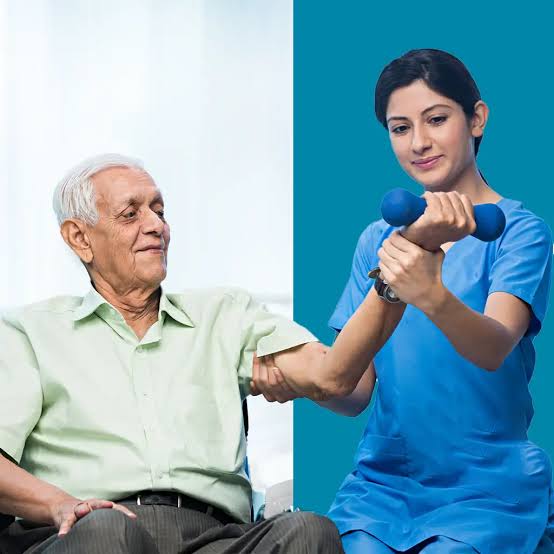
- Encourage safe physical activity.
- Promote independence.
Post-Surgery Care
Training focuses on:
- Wound observation.
- Mobility assistance.
- Pain monitoring.
- Medication support.
- Recovery exercises.
Dementia and Alzheimer’s Care
Caregivers receive instruction on:
- Managing memory loss.
- Reducing confusion.
- Maintaining calm environments.
- Supporting daily routines.
- Responding to behavioral changes.
Palliative and End-of-Life Care
This training helps caregivers provide comfort by:
- Managing symptoms.
- Supporting emotional needs.
- Assisting families.
- Maintaining patient dignity.
- Improving comfort during serious illness.
Infection Control Updates
Healthcare practices continue to evolve, making ongoing education essential. Caregivers should regularly refresh their knowledge of infection prevention.
Updated training may include:
- New hygiene guidelines.
- Safe use of personal protective equipment (PPE).
- Cleaning and disinfecting procedures.
- Handling infectious diseases safely.
- Preventing seasonal illnesses.
Continuous learning helps maintain a safe home environment for patients and caregivers alike.
Physical Fitness and Professional Appearance
Home care staff often perform physically demanding tasks, such as helping patients move, assisting with mobility, or standing for long periods. Maintaining good physical health enables caregivers to perform these responsibilities safely.
Professional standards also encourage caregivers to:
- Wear clean uniforms.
- Practice good personal hygiene.
- Arrive on time.
- Maintain a respectful attitude.
- Present a professional appearance.
These habits create confidence and reassure families that they are receiving quality care.
Ongoing Professional Development
Healthcare never stands still. New treatments, technologies, and care techniques are introduced every year. For this reason, caregivers should continue learning throughout their careers.
Professional development may include:
- Refresher training courses.
- First aid and CPR renewal.
- Workshops on elderly care.
- Patient safety seminars.
- Infection control updates.
- New medical equipment training.
- Communication and customer service improvement.
Continuous education allows caregivers to provide better support while keeping up with modern healthcare practices.
Choosing a Home Care Provider with Well-Trained Staff
When selecting home health careservices in Lahore, families should ask about the qualifications and training of the caregiving team. A reputable provider is transparent about staff education and ongoing training.
Consider asking:
- Are caregivers properly trained?
- Do they receive regular refresher courses?
- Are nurses licensed where required?
- Is emergency response training provided?
- Are background checks completed?
- How is caregiver performance monitored?
- Is supervision available when needed?
Choosing trained professionals gives families greater peace of mind and helps ensure safer care for patients.
Benefits of High Training Standards
Investing in staff training benefits everyone involved.
For patients:
- Safer healthcare at home.
- Faster recovery.
- Better infection prevention.
- Greater comfort.
- Improved quality of life.
- More confidence in daily care.
For families:
- Peace of mind.
- Reduced caregiving stress.
- Better communication.
- Reliable professional support.
For caregivers:
- Increased confidence.
- Better job performance.
- Career growth opportunities.
- Higher professional standards.
For healthcare providers:
- Improved patient satisfaction.
- Better service quality.
- Stronger reputation.
- Fewer medical complications.
The Future of Home Health Care Training in Lahore, Pakistan
The demand for professional home health careservices in Lahore continues to increase as more families choose home-based medical care for convenience, comfort, and personalized attention. This growing demand also raises expectations for higher service quality and better-trained caregivers.
Modern home care organizations are investing in advanced training programs that combine medical knowledge with practical caregiving skills. Technology is also becoming an important part of training, helping caregivers learn new techniques, maintain accurate digital records, and communicate more effectively with healthcare professionals.
As healthcare standards continue to improve across Pakistan, professional training will remain one of the most important factors in delivering safe, compassionate, and dependable home care.
Conclusion
Training standards are the foundation of excellent home health careservices in Lahore, Pakistan. Skilled caregivers do far more than assist with daily activities—they protect patient safety, support recovery, provide emotional comfort, and help families navigate challenging healthcare situations with confidence.
From infection prevention and medication assistance to emergency response and compassionate communication, comprehensive training equips caregivers with the knowledge and confidence needed to deliver high-quality care at home. Families who choose providers that prioritize professional training can feel reassured that their loved ones are receiving reliable, respectful, and patient-centered support.
As the need for home healthcare continues to grow in Lahore, maintaining high training standards will remain essential for improving patient outcomes, strengthening family trust, and ensuring that every individual receives the quality care they deserve in the comfort of their own home.