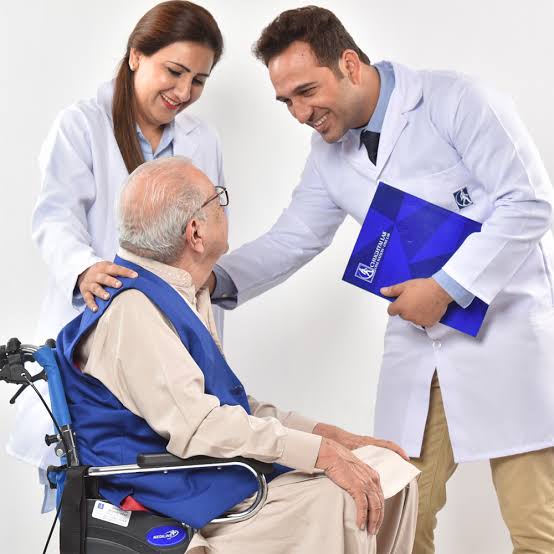

Home Care Services for Disabled Patients in Lahore
Home Care Services for Disabled Patients in Lahore
Living with a disability can make everyday activities more challenging, but with the right support, disabled individuals can enjoy a comfortable, safe, and independent life. Professional home health careservices have become an essential solution for families in Lahore, Pakistan, who want their loved ones to receive high-quality medical and personal care without leaving home. Whether a disability is caused by an accident, illness, birth condition, or aging, home care services provide personalized assistance based on each patient’s unique needs.
Many disabled patients require long-term care, rehabilitation, or help with daily activities. Traveling to hospitals or clinics for routine care can be stressful and physically demanding. Home healthcare eliminates these challenges by bringing qualified nurses, caregivers, physiotherapists, and other healthcare professionals directly to the patient’s home.
This article explains how home health careservices support disabled patients in Lahore, Pakistan, the types of services available, and the benefits of receiving professional care at home.
Understanding Disability Care
A disability may affect a person’s physical movement, communication, vision, hearing, or ability to perform daily tasks independently. Some disabilities are temporary, while others require lifelong support.
Disabled patients may need assistance due to:
- Paralysis
- Spinal cord injuries
- Stroke
- Cerebral palsy
- Multiple sclerosis
- Muscular dystrophy
- Amputations
- Brain injuries
- Developmental disabilities
- Age-related mobility problems
Every patient has different care requirements, making personalized home healthcare extremely important.
Why Home Care Is Important for Disabled Patients
Home care allows disabled individuals to receive professional medical and personal assistance without leaving the comfort of their homes. Familiar surroundings often reduce stress and improve emotional well-being.
Instead of spending hours traveling to healthcare facilities, patients receive care according to their own schedule. Family members can also stay involved in treatment and recovery, creating a supportive environment.
Professional home care promotes independence while ensuring safety and dignity.
Benefits of Home Care Services
Choosing home health careservices offers many advantages for disabled patients.
Personalized Care
Each patient receives a care plan designed specifically for their condition, medical history, and daily needs.
Greater Comfort
Patients remain in their familiar environment, which often improves confidence and emotional health.
Reduced Hospital Visits
Routine nursing care, physiotherapy, and health monitoring can be provided at home, reducing unnecessary hospital trips.
Family Participation
Family members can observe treatments, learn caregiving techniques, and communicate directly with healthcare professionals.
Better Quality of Life
Professional support helps patients perform daily activities more comfortably while maintaining as much independence as possible.
Types of Home Care Services for Disabled Patients
Home healthcare providers in Lahore offer a wide range of services to meet different medical and personal care needs.
Home Nursing Care
Qualified nurses provide professional medical care at home, including:
- Medication management
- Injection administration
- IV drip services
- Blood pressure monitoring
- Blood sugar testing
- Wound dressing
- Catheter care
- Tracheostomy care
- Feeding tube management
These services ensure patients receive proper medical attention without hospitalization.
Personal Care Assistance
Many disabled individuals require help with daily activities.
Professional caregivers assist with:
- Bathing
- Dressing
- Grooming
- Oral hygiene
- Toileting
- Feeding
- Mobility support
- Position changing
These tasks are performed with respect, patience, and dignity.
Home Physiotherapy
Physiotherapy plays a major role in improving mobility and preventing complications.
Home physiotherapists help patients:
- Strengthen muscles
- Improve balance
- Increase flexibility
- Reduce joint stiffness
- Prevent muscle weakness
- Improve walking ability
- Recover after injury or surgery
Exercise programs are customized according to each patient’s condition and abilities.
Mobility Assistance
Many disabled patients experience difficulty walking or transferring between beds and chairs.
Caregivers assist with:
- Safe walking
- Wheelchair transfers
- Standing support
- Stair assistance
- Bed positioning
Proper mobility techniques reduce the risk of falls and injuries.
Rehabilitation at Home
Rehabilitation helps patients regain physical function and confidence.
Depending on the patient’s condition, rehabilitation may include:
- Walking practice
- Balance training
- Coordination exercises
- Muscle strengthening
- Stretching exercises
- Functional movement training
Consistent rehabilitation often improves independence over time.
Care for Patients with Paralysis
Paralysis patients often require continuous support.
Home care services focus on:
- Preventing bedsores
- Maintaining joint flexibility
- Improving circulation
- Assisting with transfers
- Personal hygiene
- Respiratory care
- Nutritional support
Professional caregivers help reduce complications while improving daily comfort.
Stroke Recovery at Home
Many stroke survivors require long-term rehabilitation.
Home healthcare professionals assist with:
- Physiotherapy
- Speech therapy
- Occupational therapy
- Mobility training
- Daily living activities
- Swallowing support
- Cognitive exercises
Early rehabilitation often improves recovery outcomes.
Home Care for Spinal Cord Injuries
Patients with spinal cord injuries may require specialized care.
Services may include:
- Pressure sore prevention
- Bladder management
- Catheter care
- Physiotherapy
- Transfer assistance
- Range-of-motion exercises
- Respiratory monitoring
Proper care reduces complications and supports long-term health.
Emotional Support
Living with a disability can affect emotional well-being. Some patients experience stress, anxiety, frustration, or depression because of physical limitations.
Professional caregivers provide encouragement, companionship, and emotional support while helping patients remain socially connected and engaged in daily life.
Safety Improvements at Home
Home healthcare professionals often recommend simple safety changes that reduce the risk of accidents.
These may include:
- Installing grab bars
- Removing loose rugs
- Improving lighting
- Using non-slip mats
- Rearranging furniture
- Adding wheelchair ramps if needed
A safer home environment helps patients move more confidently.
Nutrition and Health Monitoring
Good nutrition supports recovery and overall health.
Caregivers may assist with:
- Meal preparation
- Feeding assistance
- Hydration monitoring
- Weight monitoring
- Medication reminders
Healthcare professionals also monitor changes in the patient’s condition and report concerns promptly.
Medical Equipment Support
Many disabled patients require medical equipment at home.
Healthcare providers help with equipment such as:
- Wheelchairs
- Hospital beds
- Walkers
- Oxygen concentrators
- Patient lifts
- Suction machines
- Nebulizers
Caregivers ensure equipment is used safely and correctly.
Family Education
Family members play an important role in caring for disabled patients.
Professional healthcare providers educate families about:
- Safe lifting techniques
- Medication schedules
- Emergency response
- Exercise routines
- Infection prevention
- Skin care
- Nutrition
- Daily caregiving practices
This knowledge improves patient safety and builds caregiver confidence.
Choosing the Right Home Care Provider
Selecting a trusted home healthcare provider is essential for quality care.
When choosing a provider, look for:
- Qualified nurses and caregivers
- Experienced physiotherapists
- Personalized care plans
- Flexible scheduling
- Emergency support
- Positive patient reviews
- Transparent pricing
- Good communication with families
An experienced provider ensures professional, compassionate, and reliable care.
Why Home Healthcare Is Growing in Lahore
The demand for home health careservices continues to grow because families recognize the benefits of receiving medical care at home. Busy hospitals, increasing chronic illnesses, and a growing elderly population have all contributed to the expansion of home healthcare in Lahore.
Modern medical equipment and better-trained healthcare professionals now allow many treatments and rehabilitation services to be safely provided at home, improving comfort while reducing unnecessary hospital visits.
Conclusion
Home care services have become an essential healthcare solution for disabled patients in Lahore, Pakistan. Professional home health careservices provide personalized nursing, physiotherapy, rehabilitation, personal care, and emotional support while allowing patients to remain in the comfort of their own homes. This approach not only improves physical health but also promotes dignity, independence, and a better quality of life.
Whether a patient is recovering from a stroke, living with paralysis, managing a spinal cord injury, or coping with another disability, professional home healthcare offers compassionate and reliable support tailored to individual needs. As healthcare services continue to improve in Lahore, home care will remain one of the best options for helping disabled patients live safer, healthier, and more comfortable lives.