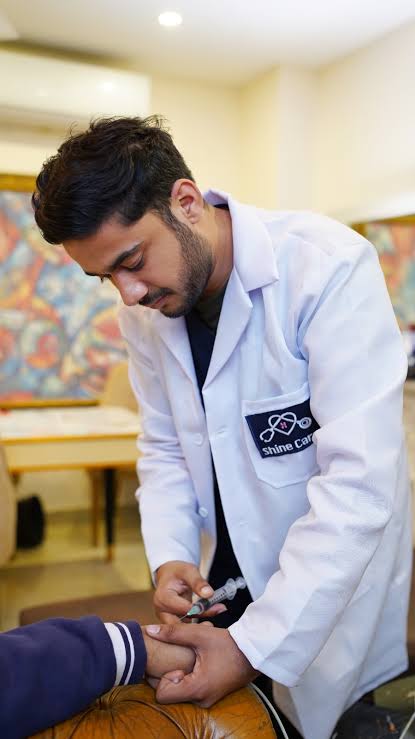

Patient Safety Tips for Home Care in Lahore
Patient Safety Tips for Home Care in Lahore
Patient safety is one of the most important aspects of quality healthcare. Whether a patient is recovering after surgery, managing a chronic illness, receiving elderly care, or living with a disability, creating a safe home environment helps prevent accidents, reduce complications, and support faster recovery. With the growing demand for home health careservices in Lahore, Pakistan, families are increasingly choosing professional home healthcare to ensure their loved ones receive safe and personalized medical care without leaving home.
While professional nurses and caregivers play an essential role in maintaining patient safety, family members also contribute by creating a secure environment and following proper caregiving practices. A combination of skilled healthcare professionals, safe surroundings, and careful monitoring significantly improves patient outcomes.
This article explains important patient safety tips that every family should follow when receiving home healthcare services in Lahore.
Why Patient Safety Is Important
Patient safety means preventing injuries, infections, medication mistakes, falls, and other avoidable health complications during care.
Safe home care helps:
- Reduce medical complications
- Prevent falls and injuries
- Lower infection risks
- Improve recovery
- Increase patient confidence
- Reduce hospital readmissions
- Improve quality of life
A safe environment allows patients to recover comfortably while maintaining their independence.
Choose a Professional Home Healthcare Provider
Patient safety begins with selecting a trusted provider of home health careservices.
Before hiring a provider, check:
- Qualifications of nurses and caregivers
- Professional training
- Experience
- Background verification
- Patient reviews
- Emergency support availability
- Clear communication
Working with trained healthcare professionals reduces the risk of medical errors and improves the quality of care.
Follow the Doctor’s Treatment Plan
Every patient should have a care plan based on their doctor’s recommendations.
This plan may include:
- Medication schedules
- Physiotherapy sessions
- Dietary instructions
- Activity limitations
- Follow-up appointments
- Vital sign monitoring
Patients and caregivers should never change medications or treatment routines without consulting the treating physician.
Keep the Home Clean
A clean environment reduces the risk of infection.
Families should:
- Clean frequently touched surfaces regularly
- Wash bed sheets and blankets often
- Keep bathrooms clean and dry
- Empty waste bins daily
- Ensure good ventilation
- Reduce dust accumulation
Good hygiene is especially important for elderly patients and those with weakened immune systems.
Practice Proper Hand Hygiene
Handwashing is one of the simplest and most effective ways to prevent infections.
Healthcare professionals, caregivers, family members, and visitors should wash their hands:
- Before touching the patient
- Before preparing food
- Before giving medication
- After using the bathroom
- After wound care
- After coughing or sneezing
If soap and water are not available, an alcohol-based hand sanitizer may be used when appropriate. Proper hand hygiene is recognized worldwide as one of the most effective ways to reduce the spread of infections. (who.int)
Prevent Falls
Falls are one of the most common causes of injury among elderly and recovering patients.
Reduce fall risks by:
- Removing loose rugs
- Keeping walkways clear
- Installing grab bars
- Using non-slip mats
- Improving lighting
- Wearing non-slip footwear
- Assisting patients while walking
Patients with mobility problems should always use prescribed walking aids.
Organize Medications Carefully
Medication mistakes can lead to serious health problems.
Keep medications safe by:
- Following the prescribed schedule
- Using labeled medication boxes
- Checking expiry dates
- Storing medicines properly
- Never sharing medications
- Recording each dose
Professional nurses can help manage complex medication schedules safely.
Prevent Infections
Patients recovering from surgery or living with chronic illnesses need extra protection against infections.
Important infection prevention measures include:
- Changing wound dressings as instructed
- Keeping wounds clean and dry
- Using sterile equipment
- Cleaning medical devices regularly
- Limiting contact with sick visitors
Any signs of infection should be reported to the healthcare provider promptly.
Monitor Vital Signs
Regular monitoring helps detect health problems early.
Healthcare professionals may check:
- Blood pressure
- Pulse
- Body temperature
- Oxygen saturation
- Blood sugar levels
- Respiratory rate
Consistent monitoring helps doctors evaluate recovery and adjust treatment when necessary.
Maintain Good Nutrition
Healthy nutrition supports healing and strengthens the immune system.
Patients should eat:
- Fresh fruits
- Vegetables
- Whole grains
- Lean proteins
- Dairy products when appropriate
- Plenty of fluids unless restricted by a doctor
Special dietary plans should always follow medical advice.
Encourage Safe Physical Activity
Appropriate movement helps prevent complications caused by prolonged bed rest.
Depending on the patient’s condition, activities may include:
- Walking
- Gentle stretching
- Physiotherapy exercises
- Breathing exercises
- Range-of-motion exercises
Exercise should only be performed according to the doctor’s or physiotherapist’s recommendations.
Use Medical Equipment Correctly
Many patients require equipment such as:
- Hospital beds
- Oxygen concentrators
- Wheelchairs
- Walkers
- Nebulizers
- Suction machines
Healthcare professionals should explain the correct use, cleaning, and maintenance of each device.
Prevent Pressure Sores
Patients who remain in bed for long periods require extra skin care.
To reduce the risk of pressure sores:
- Change the patient’s position regularly
- Keep skin clean and dry
- Use pressure-relief mattresses when recommended
- Inspect the skin daily
- Ensure adequate nutrition
Early attention to skin changes can prevent more serious problems.
Ensure Safe Bathroom Use
Bathrooms are common locations for falls.
Improve bathroom safety by:
- Installing grab bars
- Using shower chairs
- Placing non-slip mats
- Keeping floors dry
- Providing adequate lighting
Patients with limited mobility should receive assistance when necessary.
Watch for Changes in Health
Family members and caregivers should monitor for warning signs such as:
- Fever
- Difficulty breathing
- Chest pain
- Confusion
- Severe pain
- Unusual swelling
- Increased weakness
- Sudden changes in blood pressure
- New wounds or bleeding
Prompt medical attention may prevent serious complications.
Limit Exposure to Illness
Patients recovering at home should avoid unnecessary exposure to contagious illnesses.
Families should:
- Postpone visits from sick individuals
- Encourage visitors to wash their hands
- Keep living areas well ventilated
- Follow healthcare provider recommendations for infection prevention
These measures are particularly important for older adults and people with weakened immune systems.
Maintain Emergency Contact Information
Every home receiving healthcare services should keep emergency contact numbers readily available.
Important contacts include:
- Treating doctor
- Home healthcare provider
- Nearby hospital
- Emergency ambulance service
- Family caregivers
Having this information easily accessible allows quicker action during emergencies.
Support Emotional Well-Being
Patient safety also includes emotional health.
Families can help by:
- Spending quality time with the patient
- Encouraging conversation
- Reducing stress
- Supporting hobbies when possible
- Respecting the patient’s independence
Positive emotional support often contributes to better recovery.
Educate Family Members
Professional home healthcare providers should teach families about:
- Medication administration
- Safe patient transfers
- Infection prevention
- Emergency response
- Nutrition
- Mobility assistance
- Equipment use
Well-informed caregivers provide safer and more confident care.
Develop an Individualized Care Plan
Every patient has unique healthcare needs.
Professional home health careservices develop personalized care plans based on:
- Medical condition
- Age
- Mobility
- Doctor’s recommendations
- Daily routine
- Rehabilitation goals
- Family support
Care plans should be reviewed regularly as the patient’s condition changes.
The Role of Professional Home Healthcare
Professional nurses and caregivers improve patient safety by providing:
- Skilled nursing
- Regular health assessments
- Medication supervision
- Physiotherapy support
- Wound care
- Chronic disease monitoring
- Emergency response guidance
Their training helps identify problems early and ensures care is delivered according to accepted healthcare practices.
The Growing Importance of Safe Home Care in Lahore
As more families choose home health careservices in Lahore, patient safety continues to be a top priority. Advances in home nursing, rehabilitation, infection prevention, and caregiver training have made it possible to deliver high-quality healthcare in the home environment. By combining professional medical support with a safe and well-organized home, families can help patients recover more comfortably while reducing unnecessary hospital visits.
Conclusion
Patient safety is the foundation of successful home health careservices in Lahore. From preventing falls and infections to managing medications and monitoring health, every safety measure contributes to better recovery and improved quality of life. Professional healthcare providers, together with informed family members, create a secure environment where patients can receive compassionate, personalized care in the comfort of their own homes.
By following these patient safety tips, choosing qualified healthcare professionals, and maintaining regular communication with medical providers, families can help ensure that their loved ones receive safe, effective, and high-quality home healthcare throughout every stage of recovery or long-term care.