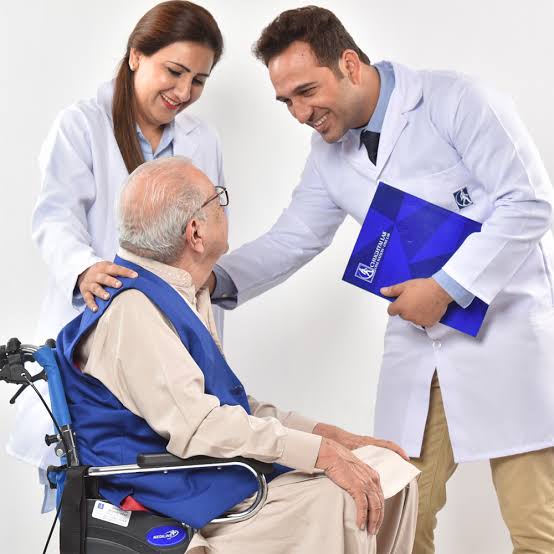

Home Care for Cerebral Palsy Patients in Lahore
Home Care for Cerebral Palsy Patients in Lahore
Cerebral palsy (CP) is a neurological condition that affects movement, muscle control, posture, and coordination. It develops due to damage to the developing brain before, during, or shortly after birth. While cerebral palsy is a lifelong condition, proper medical care, rehabilitation, and daily support can help individuals lead healthier and more independent lives. Professional home health careservices in Lahore, Pakistan, provide personalized care for children and adults with cerebral palsy, allowing them to receive treatment and support in the comfort of their own homes.
Home healthcare combines skilled nursing, physiotherapy, occupational therapy, speech therapy, personal care, and family education to improve mobility, independence, and overall quality of life. Every patient has unique needs, so home care plans are customized according to age, physical abilities, medical condition, and rehabilitation goals.
Understanding Cerebral Palsy
Cerebral palsy is a group of disorders that affect a person’s ability to move and maintain balance and posture. The condition is non-progressive, meaning the brain injury itself does not worsen over time, but its effects can change as a person grows. Early intervention and continuous therapy play an important role in improving function and preventing complications. (cdc.gov)
Common symptoms include:
- Muscle stiffness
- Poor muscle coordination
- Difficulty walking
- Balance problems
- Involuntary movements
- Speech difficulties
- Swallowing problems
- Delayed motor development
- Muscle weakness
- Joint contractures
Some individuals have mild symptoms, while others require continuous assistance with daily activities.
Why Home Care Is Important
People with cerebral palsy often need long-term medical and rehabilitation support. Professional home health careservices allow patients to receive regular care without frequent hospital visits.
Home care offers:
- Personalized rehabilitation
- Comfortable surroundings
- Family involvement
- Flexible therapy schedules
- Reduced travel
- Better emotional well-being
- Continuous monitoring
Receiving therapy at home also allows exercises and daily activities to be practiced in the environment where patients spend most of their time.
Benefits of Home Health Care
Professional home healthcare provides several important advantages.
Individualized Care
Every cerebral palsy patient has different physical abilities and healthcare needs.
Home healthcare professionals create personalized treatment plans based on:
- Age
- Mobility
- Muscle strength
- Medical history
- Doctor’s recommendations
- Personal goals
Familiar Environment
Remaining at home helps patients feel more comfortable and secure.
Children often respond well to therapy when they are in familiar surroundings with their families.
Better Family Participation
Parents and caregivers can actively participate in therapy sessions and learn techniques that support daily care.
Skilled Nursing Care
Some cerebral palsy patients require ongoing nursing support.
Professional nurses may provide:
- Medication administration
- Vital sign monitoring
- Feeding tube care
- Catheter care
- Wound care
- Seizure monitoring
- Injection services
- Health assessments
Regular nursing care helps identify medical concerns early.
Physiotherapy at Home
Physiotherapy is one of the most important parts of cerebral palsy management.
Home physiotherapists help improve:
- Muscle strength
- Flexibility
- Balance
- Walking ability
- Coordination
- Posture
- Joint movement
Regular exercises may also reduce muscle stiffness and improve mobility.
Occupational Therapy
Occupational therapy helps patients become more independent in daily activities.
Therapists teach skills related to:
- Dressing
- Eating
- Writing
- Personal hygiene
- Using adaptive equipment
- Fine motor coordination
The goal is to improve everyday functioning and independence.
Speech and Language Therapy
Some people with cerebral palsy experience difficulty speaking or swallowing.
Speech therapists assist with:
- Speech clarity
- Communication skills
- Language development
- Swallowing techniques
- Feeding strategies
Improving communication enhances social interaction and quality of life.
Mobility Assistance
Many cerebral palsy patients require support with movement.
Professional caregivers assist with:
- Walking
- Wheelchair mobility
- Transfers
- Position changes
- Standing exercises
- Safe transportation inside the home
Proper mobility support reduces the risk of falls and injuries.
Personal Care Assistance
Patients who need help with daily activities may receive assistance with:
- Bathing
- Dressing
- Grooming
- Toileting
- Feeding
- Oral hygiene
- Skin care
Caregivers provide respectful support while encouraging independence whenever possible.
Nutrition and Feeding Support
Some cerebral palsy patients have difficulty chewing or swallowing.
Healthcare professionals help by:
- Preparing suitable meals
- Assisting with feeding
- Monitoring hydration
- Supporting feeding tube care when required
- Following nutritional recommendations
Good nutrition supports healthy growth and overall well-being.
Seizure Monitoring
Some individuals with cerebral palsy also experience epilepsy.
Professional caregivers monitor:
- Seizure frequency
- Medication schedules
- Recovery after seizures
- Safety during seizure episodes
Any changes are reported to the treating physician.
Preventing Muscle Contractures
Without regular movement, muscles and joints may become stiff.
Home therapy programs include:
- Stretching exercises
- Position changes
- Range-of-motion exercises
- Proper seating and positioning
These interventions help maintain flexibility and comfort.
Home Safety
A safe home environment supports independence and reduces injuries.
Recommended modifications include:
- Grab bars
- Non-slip flooring
- Wheelchair-accessible pathways
- Ramps
- Adjustable beds
- Supportive seating
Healthcare professionals can recommend changes based on the patient’s mobility needs.
Emotional and Social Support
Living with cerebral palsy can sometimes affect emotional well-being.
Professional caregivers provide:
- Encouragement
- Companionship
- Positive motivation
- Family support
- Assistance with social interaction
Children also benefit from opportunities to play, learn, and participate in age-appropriate activities.
Education for Family Members
Family involvement is essential for long-term success.
Healthcare professionals teach caregivers about:
- Safe transfers
- Daily exercises
- Medication administration
- Feeding techniques
- Positioning
- Equipment use
- Skin care
Proper education increases confidence and improves patient care at home.
Medical Equipment Support
Some patients benefit from specialized medical equipment.
Common equipment includes:
- Wheelchairs
- Walkers
- Standing frames
- Hospital beds
- Feeding pumps
- Suction machines
- Orthotic devices
Healthcare professionals ensure equipment is used safely and correctly.
Monitoring Overall Health
Regular health assessments help identify changes early.
Healthcare professionals monitor:
- Growth and development
- Mobility
- Muscle tone
- Nutrition
- Respiratory health
- Skin condition
- General health
Routine monitoring supports timely medical intervention when needed.
Customized Home Care Plans
Every cerebral palsy patient has different healthcare goals.
Professional home health careservices develop individualized care plans based on:
- Age
- Type of cerebral palsy
- Mobility level
- Therapy needs
- Medical history
- Family support
- Doctor’s recommendations
Care plans are reviewed regularly and adjusted as the patient’s needs change.
Choosing the Right Home Healthcare Provider
When selecting a home healthcare provider in Lahore, families should consider:
- Qualified nurses
- Experienced physiotherapists
- Occupational therapists
- Speech therapists
- Trained caregivers
- Customized care plans
- Emergency support
- Positive patient reviews
Choosing an experienced team helps ensure comprehensive and compassionate care.
The Growing Need for Cerebral Palsy Home Care in Lahore
The demand for home health careservices for cerebral palsy patients is increasing in Lahore as more families recognize the benefits of home-based rehabilitation. Regular physiotherapy, occupational therapy, speech therapy, nursing care, and caregiver education can all be delivered at home, allowing patients to receive continuous support without frequent travel. Health organizations emphasize early intervention and ongoing multidisciplinary care to improve function and participation in daily life for people with cerebral palsy. (cdc.gov)
Conclusion
Professional home health careservices for cerebral palsy patients in Lahore provide personalized, compassionate, and comprehensive care that supports both patients and their families. Through skilled nursing, physiotherapy, occupational therapy, speech therapy, mobility assistance, personal care, and family education, home healthcare helps individuals achieve greater independence and an improved quality of life.
For families in Lahore, home-based care offers the comfort of receiving expert medical and rehabilitation services in a familiar environment. With customized care plans and experienced healthcare professionals, individuals with cerebral palsy can continue developing their abilities, maintain their health, and enjoy a safer and more fulfilling daily life.