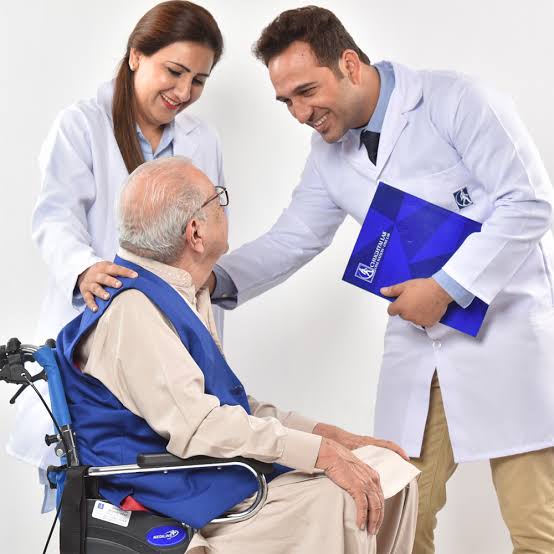

Home Care for Terminally Ill Patients in Lahore
Home Care for Terminally Ill Patients in Lahore
Caring for a terminally ill loved one is one of the most emotional and challenging experiences a family can face. Patients with advanced illnesses often require continuous medical attention, pain management, personal care, and emotional support. Many families in Lahore prefer to keep their loved ones at home during this stage because a familiar environment offers comfort, dignity, and the opportunity to remain close to family. Professional home health careservices make this possible by providing skilled nursing, palliative care, symptom management, and compassionate support in the patient’s own home.
Home care for terminally ill patients focuses on improving quality of life rather than curing the illness. The goal is to relieve pain, manage symptoms, provide emotional and spiritual support, and help patients live as comfortably as possible while respecting their wishes and maintaining their dignity. Palliative care can often be provided at home through a team of healthcare professionals working together with the patient’s family.
Understanding Terminal Illness
A terminal illness is a disease that cannot be cured and is expected to significantly shorten a person’s life. Although treatments may continue to control symptoms or slow disease progression, the primary focus gradually shifts toward comfort and quality of life.
Conditions that may require terminal home care include:
- Advanced cancer
- End-stage heart failure
- Advanced lung disease
- End-stage kidney disease
- Advanced liver disease
- Progressive neurological disorders
- Advanced dementia
- Motor neuron disease
- Late-stage Parkinson’s disease
Every patient’s journey is different, so care should always be personalized according to their medical condition and personal wishes.
What Is Palliative Home Care?
Palliative care is specialized healthcare that focuses on relieving pain, controlling symptoms, and improving quality of life for people living with serious illnesses. It also provides emotional, psychological, social, and spiritual support for both patients and their families. Palliative care can begin early in a serious illness and is not limited to the final days of life.
When delivered at home, palliative care allows patients to remain in familiar surroundings while receiving professional medical support.
Why Families Choose Home Care
Many families in Lahore choose home health careservices because home offers comfort that hospitals often cannot provide.
Patients benefit from:
- Familiar surroundings
- Close family support
- Greater privacy
- Personalized attention
- Flexible care schedules
- Reduced travel
- Lower exposure to hospital-acquired infections
For many people, spending time at home with loved ones provides emotional comfort during a difficult stage of life.
Skilled Nursing Care
Professional nurses play a vital role in caring for terminally ill patients.
Home nursing services may include:
- Monitoring vital signs
- Medication administration
- Injection services
- IV therapy when prescribed
- Wound care
- Catheter management
- Feeding tube care
- Tracheostomy care
- Oxygen therapy support
Regular nursing visits help patients remain comfortable while reducing unnecessary hospital admissions.
Pain Management
Pain control is one of the most important aspects of terminal care.
Healthcare professionals work with the patient’s doctor to:
- Assess pain regularly
- Administer prescribed medications
- Monitor treatment effectiveness
- Adjust comfort measures
- Reduce unnecessary suffering
Effective pain management allows patients to remain more comfortable and participate in family life whenever possible.
Managing Other Symptoms
Terminal illnesses may cause symptoms other than pain.
Home healthcare professionals help manage:
- Shortness of breath
- Fatigue
- Nausea
- Vomiting
- Constipation
- Anxiety
- Restlessness
- Difficulty swallowing
- Loss of appetite
- Sleep disturbances
Controlling these symptoms helps improve overall comfort and quality of life.
Personal Care Assistance
Many terminally ill patients eventually require help with daily activities.
Professional caregivers assist with:
- Bathing
- Dressing
- Grooming
- Oral hygiene
- Toileting
- Feeding
- Position changes
- Skin care
Providing respectful personal care helps preserve dignity while preventing complications.
Preventing Pressure Sores
Patients who remain in bed for long periods are at risk of developing pressure sores.
Home caregivers help prevent these problems by:
- Repositioning patients regularly
- Using pressure-relief mattresses
- Keeping skin clean and dry
- Monitoring early signs of skin damage
- Providing proper nutrition and hydration when appropriate
These measures improve comfort and reduce the risk of skin breakdown.
Medication Management
Terminally ill patients often take multiple medications.
Professional caregivers assist by:
- Organizing medicines
- Administering medications on time
- Monitoring side effects
- Maintaining medication records
- Communicating concerns to healthcare providers
Proper medication management reduces complications and helps control symptoms.
Emotional Support
Living with a terminal illness affects both patients and their families emotionally.
Healthcare professionals provide compassionate support by:
- Listening to patient concerns
- Offering reassurance
- Encouraging meaningful conversations
- Supporting family members
- Helping reduce anxiety and fear
Emotional care is an important part of comprehensive palliative care.
Family Involvement
Home care allows families to remain closely involved in their loved one’s care.
Healthcare professionals educate family members about:
- Safe patient handling
- Medication schedules
- Nutrition
- Comfort positioning
- Symptom recognition
- Emergency planning
This teamwork helps families feel more confident while providing daily support.
Nutrition and Hydration
Nutrition needs often change during advanced illness.
Healthcare providers assess:
- Appetite
- Swallowing ability
- Hydration
- Special dietary requirements
Care plans are adjusted according to the patient’s condition and the recommendations of the treating physician.
Medical Equipment at Home
Some patients require specialized equipment for comfort and safety.
Common equipment includes:
- Hospital beds
- Oxygen concentrators
- Wheelchairs
- Suction machines
- Pressure-relief mattresses
- Nebulizers
- Patient lifts
Healthcare professionals ensure that equipment is used correctly and safely.
Physiotherapy and Mobility Support
Some terminally ill patients benefit from gentle physiotherapy.
Therapists may help with:
- Gentle exercises
- Positioning
- Joint movement
- Breathing exercises
- Safe transfers
The focus is on maintaining comfort and preventing stiffness rather than intensive rehabilitation.
Respecting Patient Wishes
High-quality home care respects the patient’s preferences whenever possible.
Healthcare teams work with patients and families to understand:
- Personal care preferences
- Religious or cultural values
- Comfort goals
- Communication wishes
- Treatment decisions
Respecting these choices helps preserve dignity throughout care.
Support for Family Caregivers
Caring for a terminally ill loved one can be physically and emotionally demanding.
Professional home healthcare supports families by:
- Sharing caregiving responsibilities
- Providing nursing expertise
- Offering practical guidance
- Giving caregivers time to rest
- Helping reduce stress and burnout
This support allows families to focus on spending meaningful time together.
Recognizing Changes in Condition
Healthcare professionals regularly monitor for changes such as:
- Increased weakness
- Changes in breathing
- Reduced appetite
- Difficulty swallowing
- New or worsening pain
- Confusion
- Changes in consciousness
Early recognition allows care plans to be adjusted promptly to maximize comfort.
Customized Care Plans
Every terminally ill patient has unique needs.
Professional home health careservices develop individualized care plans based on:
- Medical diagnosis
- Current symptoms
- Pain levels
- Mobility
- Nutritional needs
- Personal preferences
- Doctor’s recommendations
- Family involvement
Care plans are reviewed regularly as the patient’s condition changes.
Choosing the Right Home Healthcare Provider
When selecting a home healthcare provider in Lahore, families should consider:
- Qualified nurses
- Experience in palliative care
- 24/7 support availability
- Pain management experience
- Customized care plans
- Clear communication
- Transparent pricing
- Positive patient feedback
Choosing an experienced provider helps ensure compassionate and professional care.
The Growing Need for Home-Based Palliative Care in Lahore
The demand for home health careservices for terminally ill patients is increasing in Lahore as more families seek compassionate care that allows loved ones to remain at home. Home-based palliative care combines medical treatment with emotional, psychological, and practical support while helping reduce unnecessary hospital visits and focusing on patient comfort and dignity. International health organizations also encourage integrating palliative care into home and community healthcare whenever appropriate.
Conclusion
Professional home health careservices for terminally ill patients in Lahore provide compassionate, personalized care that focuses on comfort, dignity, and quality of life. Through skilled nursing, pain management, symptom control, personal care, emotional support, and family education, home healthcare helps patients spend valuable time in familiar surroundings with the people they love.
For many families in Lahore, home-based palliative care offers a meaningful way to ensure that loved ones receive respectful, professional, and compassionate support throughout every stage of their illness. By working closely with healthcare professionals and following an individualized care plan, families can help provide comfort, preserve dignity, and improve the quality of life for terminally ill patients.