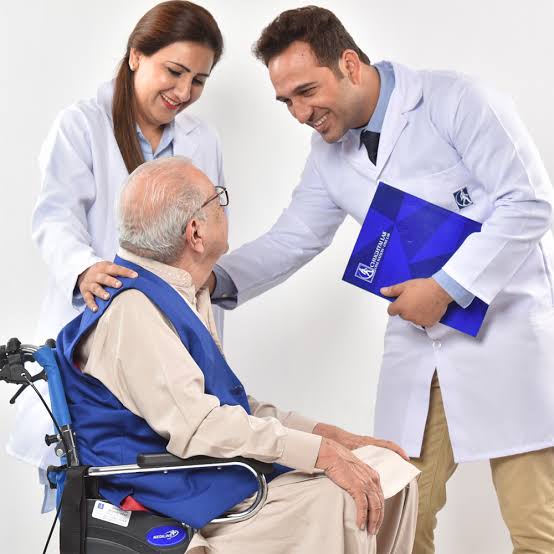

Cardiac Rehabilitation at Home in Lahore
Cardiac Rehabilitation at Home in Lahore
Heart disease is one of the leading health concerns worldwide, and recovering after a heart attack, heart surgery, or other heart conditions requires more than medication alone. A structured cardiac rehabilitation program helps patients regain strength, improve heart health, and reduce the risk of future heart problems. Today, many families choose home health careservices because they allow patients to continue cardiac rehabilitation safely in the comfort of their own homes.
Home-based cardiac rehabilitation combines supervised exercise, health education, lifestyle changes, and regular medical monitoring. For carefully selected patients who are medically stable, home-based cardiac rehabilitation can provide benefits similar to traditional center-based programs when guided by healthcare professionals.
This article explains how home health careservices support cardiac rehabilitation in Lahore, Pakistan, and why home care is becoming an important part of heart disease recovery.
What Is Cardiac Rehabilitation?
Cardiac rehabilitation is a medically supervised recovery program designed for people recovering from heart-related conditions. It focuses on improving physical fitness, promoting heart-healthy habits, and helping patients safely return to their daily activities.
A complete rehabilitation program usually includes:
- Safe physical activity
- Health monitoring
- Medication management
- Nutritional guidance
- Lifestyle education
- Emotional support
- Risk factor management
Research shows that cardiac rehabilitation can improve recovery and lower the risk of future cardiovascular events when patients follow their treatment plan.
Who May Need Cardiac Rehabilitation?
Doctors may recommend cardiac rehabilitation for patients recovering from:
- Heart attack
- Coronary artery bypass surgery (CABG)
- Heart valve surgery
- Angioplasty or stent placement
- Heart failure
- Stable coronary artery disease
The decision to begin rehabilitation should always be made by the treating cardiologist.
Why Choose Cardiac Rehabilitation at Home?
Many patients find frequent travel to hospitals difficult after heart surgery or a cardiac event.
Professional home health careservices provide rehabilitation in a familiar environment while reducing travel-related stress.
Home rehabilitation offers several advantages:
- Greater comfort
- Personalized care
- Flexible scheduling
- Family involvement
- Reduced unnecessary hospital visits
For medically stable patients, home-based rehabilitation can be an effective alternative when supervised appropriately.
Initial Medical Assessment
Before starting home rehabilitation, healthcare professionals perform a detailed assessment.
This usually includes:
- Medical history
- Type of heart condition
- Current medications
- Blood pressure
- Heart rate
- Physical ability
- Walking capacity
- Risk assessment
- Recovery goals
Based on this evaluation, an individualized rehabilitation plan is developed.
Home Nursing Services
Qualified nurses play an important role during cardiac recovery.
Home nursing services may include:
- Blood pressure monitoring
- Heart rate monitoring
- Medication management
- Health assessments
- Recovery observation
- Patient education
- Coordination with the treating doctor
Regular monitoring helps identify changes that may require medical attention.
Medication Management
Heart patients often need several medications.
Home nurses help patients:
- Follow medication schedules
- Understand prescribed medicines
- Monitor for possible side effects
- Encourage treatment adherence
Patients should never stop or change medications without consulting their doctor.
Supervised Exercise Program
Exercise is one of the most important parts of cardiac rehabilitation.
Home physiotherapists or rehabilitation specialists guide patients through exercises approved by their cardiologist.
Depending on the patient’s condition, activities may include:
- Walking
- Gentle stretching
- Light strengthening exercises
- Balance training
- Flexibility exercises
- Endurance-building activities
Exercise intensity is increased gradually according to the patient’s progress and medical advice.
Monitoring During Exercise
Patient safety is always the priority.
Healthcare professionals may monitor:
- Heart rate
- Blood pressure
- Breathing
- Fatigue levels
- General comfort
Patients should stop exercising and seek medical advice immediately if they experience severe chest pain, fainting, or significant shortness of breath.
Lifestyle Education
Cardiac rehabilitation is about more than exercise.
Patients also receive education about:
- Heart-healthy eating
- Maintaining a healthy weight
- Managing blood pressure
- Diabetes control
- Stress reduction
- Sleep habits
- Smoking cessation if applicable
Healthy lifestyle changes support long-term heart health.
Nutritional Guidance
Good nutrition is essential after a heart condition.
Patients are generally encouraged to:
- Eat more fruits and vegetables
- Choose whole grains
- Select lean protein sources
- Limit excess salt
- Reduce foods high in saturated and trans fats
- Stay hydrated according to their doctor’s advice
Dietary recommendations should always follow guidance from the treating doctor or a registered dietitian.
Emotional Support
Many heart patients experience emotional changes after a cardiac event.
Common feelings include:
- Anxiety
- Stress
- Fear
- Depression
- Loss of confidence
Healthcare professionals and family members provide reassurance and encourage gradual progress throughout recovery.
Family Involvement
Family support is an important part of successful rehabilitation.
Relatives can help by:
- Encouraging healthy habits
- Assisting with daily activities
- Supporting exercise routines
- Monitoring medication schedules
- Providing emotional encouragement
Working together often improves patient motivation and recovery.
Benefits of Home Cardiac Rehabilitation
Choosing home health careservices for cardiac rehabilitation offers many benefits.
These include:
- Personalized attention
- Comfortable recovery
- Better treatment adherence
- Reduced travel
- Family participation
- Improved confidence
- Greater independence
Patients often feel more motivated when recovering in familiar surroundings.
Preventing Future Heart Problems
Cardiac rehabilitation also focuses on reducing future health risks.
Patients are encouraged to:
- Take medications as prescribed
- Attend follow-up appointments
- Stay physically active within medical advice
- Maintain a healthy diet
- Manage stress
- Control blood pressure and diabetes
- Avoid tobacco use
These lifestyle improvements contribute to better long-term heart health.
Home Safety During Recovery
Healthcare professionals may recommend simple safety measures such as:
- Keeping walkways clear
- Avoiding heavy lifting until medically cleared
- Using supportive footwear
- Arranging furniture for easier movement
- Taking medications on time
- Following the rehabilitation schedule
A safe home environment supports steady recovery.
Monitoring Recovery
Recovery is reviewed regularly.
Healthcare professionals assess:
- Exercise tolerance
- Heart rate
- Blood pressure
- Energy levels
- Daily activities
- Overall progress
The rehabilitation plan is adjusted according to the patient’s improvement and medical advice.
Choosing a Reliable Home Healthcare Provider
Selecting an experienced provider is essential.
Look for providers that offer:
- Qualified nurses
- Licensed physiotherapists
- Personalized rehabilitation plans
- Regular monitoring
- Flexible scheduling
- Good communication
- Emergency support
- Experienced cardiac care staff
Professional supervision helps ensure safe rehabilitation.
Why Home Cardiac Rehabilitation Is Growing in Lahore
The demand for home health careservices continues to grow because more patients prefer recovering at home after heart-related illnesses or surgery. Home-based rehabilitation improves access to care, especially for patients who have difficulty attending hospital-based programs. Studies also show that carefully selected low- to moderate-risk patients can achieve outcomes comparable to center-based rehabilitation when appropriate medical supervision and follow-up are provided.
Conclusion
Recovering from a heart condition requires patience, professional guidance, and long-term lifestyle changes. Professional home health careservices provide patients in Lahore, Pakistan with skilled nursing, supervised rehabilitation, medication support, and health education while allowing them to recover in the comfort of their own homes.
Home cardiac rehabilitation offers a convenient and personalized approach for medically suitable patients, helping improve strength, confidence, and overall heart health. With experienced healthcare professionals, regular medical follow-up, and strong family support, patients can work toward a safer recovery and a healthier future while remaining in familiar surroundings.