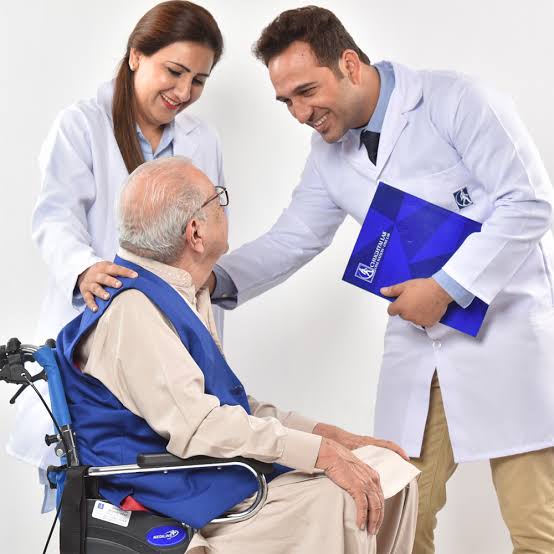

Home Care for Paralysis Patients in Lahore
Home Care for Paralysis Patients in Lahore
Paralysis is a life-changing condition that affects not only the patient but also the entire family. It can occur after a stroke, spinal cord injury, brain injury, or certain neurological diseases, making it difficult or impossible for a person to move part of their body independently. Recovery often takes months or even years, and many patients require continuous medical care, physiotherapy, and daily assistance. For this reason, home health care services have become an important option for families in Lahore who want professional care without keeping their loved ones in the hospital for long periods.
Home care allows paralysis patients to recover in a familiar and comfortable environment while receiving personalized medical attention. Professional nurses, caregivers, and physiotherapists can provide treatment at home, helping patients improve their mobility, prevent complications, and maintain a better quality of life. Many home healthcare providers in Lahore now offer dedicated paralysis patient care, rehabilitation, nursing, medication management, and physiotherapy services.
One of the biggest advantages of home healthcare is that it reduces the physical and emotional stress associated with frequent hospital visits. Traveling can be exhausting for paralysis patients, especially those who have difficulty sitting, standing, or transferring between beds and wheelchairs. Receiving professional care at home allows patients to focus their energy on recovery instead of transportation and waiting times.
Understanding Paralysis
Paralysis is the loss of muscle movement in one or more parts of the body. Depending on the cause and severity, paralysis may affect one limb, one side of the body, both legs, or all four limbs. Stroke is one of the most common causes of paralysis, but spinal cord injuries, brain trauma, multiple sclerosis, and certain neurological disorders can also lead to loss of movement. Early rehabilitation and consistent therapy can help many patients regain strength, improve mobility, and increase independence.
Every paralysis patient has different medical needs. Some individuals require only short-term rehabilitation after a stroke, while others may need long-term nursing care and assistance with daily activities. A personalized care plan ensures that treatment matches the patient’s condition and recovery goals.
Why Home Care Is Important for Paralysis Patients
Home care provides much more than basic assistance. It combines medical treatment, physical rehabilitation, emotional support, and personal care in a familiar environment.
Many patients feel more comfortable at home than in hospitals. Familiar surroundings reduce anxiety and encourage emotional well-being, which can positively influence recovery. Family members can also stay closely involved in daily care, providing encouragement and emotional support throughout the rehabilitation process.
Professional caregivers help patients perform everyday activities safely while promoting as much independence as possible. This balance between assistance and independence is essential for long-term recovery.
Services Included in Home Paralysis Care
Professional home health care services for paralysis patients usually include a wide range of medical and personal care.
Common services include:
- Skilled nursing care
- Medication management
- Blood pressure monitoring
- Blood sugar monitoring
- Physiotherapy at home
- Range-of-motion exercises
- Personal hygiene assistance
- Bathing and grooming
- Feeding assistance
- Catheter care
- Wound care
- Bed sore prevention
- Mobility support
- Wheelchair assistance
- Patient positioning
- Health monitoring
- Family education
These services are adjusted according to the patient’s medical condition and doctor’s recommendations.
The Role of Skilled Nurses
Professional nurses play an important role in paralysis patient care. They monitor the patient’s health, administer medications, provide injections or IV therapy if prescribed, perform wound dressings, and watch for signs of complications.
Regular monitoring allows healthcare professionals to identify problems early before they become serious. Nurses also communicate with doctors whenever changes in the patient’s condition require medical attention.
In addition to medical care, nurses educate family members about safe patient handling, medication schedules, nutrition, and infection prevention. This guidance helps families feel more confident while caring for their loved ones.
Physiotherapy and Rehabilitation
Physiotherapy is one of the most important parts of paralysis recovery. Regular rehabilitation exercises help maintain muscle strength, improve flexibility, reduce stiffness, and increase mobility. Home physiotherapy also focuses on improving balance, coordination, and daily functional abilities such as sitting, standing, transferring, and walking when possible. Consistent rehabilitation at home can significantly improve recovery outcomes for many paralysis patients.
Qualified physiotherapists develop personalized exercise programs based on the patient’s condition and progress. Regular assessments help adjust treatment plans as recovery continues.
Preventing Bed Sores
Patients who remain in bed for long periods face an increased risk of developing pressure ulcers, commonly known as bed sores.
Caregivers help prevent these complications by changing the patient’s position every few hours, keeping the skin clean and dry, using pressure-relieving mattresses, and checking the skin daily for redness or irritation.
Early prevention is much easier than treating advanced pressure ulcers, making regular nursing care extremely valuable.
Assistance with Daily Activities
Many paralysis patients require support with everyday tasks that were once routine.
Caregivers assist with:
- Bathing
- Dressing
- Eating
- Grooming
- Toileting
- Walking assistance
- Wheelchair transfers
- Changing positions
- Light mobility exercises
Providing respectful assistance while encouraging patient independence helps improve confidence and emotional well-being.
Nutrition and Hydration
A healthy diet supports recovery by providing the nutrients the body needs for healing and muscle maintenance.
Many paralysis patients require meals rich in protein, vitamins, minerals, and fiber. Proper nutrition also helps strengthen the immune system, maintain a healthy weight, and reduce the risk of infections.
Some patients experience difficulty swallowing after a stroke. Healthcare professionals work closely with doctors and speech therapists to recommend safe food textures and feeding techniques when necessary.