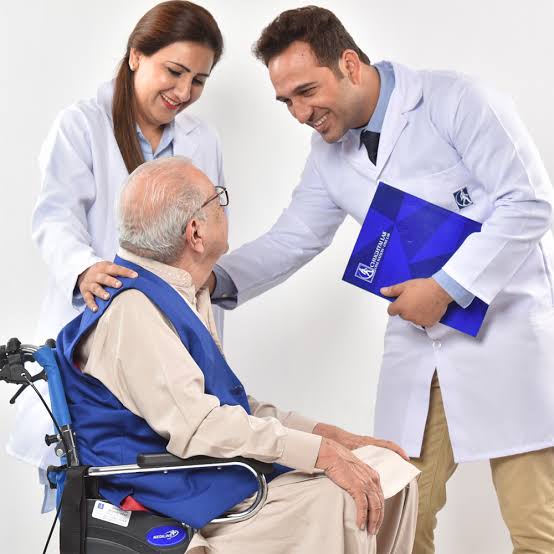

Home Care for Multiple Sclerosis Patients in Lahore
Home Care for Multiple Sclerosis Patients in Lahore
Multiple Sclerosis (MS) is a long-term neurological condition that affects the brain and spinal cord. It can interfere with the way the brain communicates with the rest of the body, leading to problems with movement, balance, vision, muscle strength, and daily activities. Because symptoms often vary from person to person and may change over time, many patients require ongoing medical care and rehabilitation.
Professional home health careservices in Lahore provide personalized support for people living with Multiple Sclerosis, allowing them to receive quality healthcare without leaving their homes. Skilled nurses, caregivers, physiotherapists, and other healthcare professionals work together to help patients manage symptoms, improve mobility, maintain independence, and enhance their overall quality of life.
This guide explains how home healthcare supports Multiple Sclerosis patients and why home-based care is becoming a preferred option for many families in Lahore.
What Is Multiple Sclerosis?
Multiple Sclerosis is a chronic condition in which the immune system attacks the protective covering around nerve fibers, disrupting communication between the brain and the body. The disease can affect physical movement, sensation, vision, and cognitive function.
Symptoms may come and go or gradually worsen over time, depending on the type and progression of the condition.
Although there is currently no cure for Multiple Sclerosis, proper medical care, rehabilitation, and lifestyle support can help patients manage symptoms and maintain a good quality of life.
Why Choose Home Health Care Services for Multiple Sclerosis?
Managing Multiple Sclerosis often requires long-term care involving several healthcare professionals.
Professional home health careservices offer:
- Skilled nursing care
- Personal care assistance
- Physiotherapy
- Occupational therapy
- Medication management
- Mobility support
- Home safety assessments
- Emotional support
- Long-term care planning
Receiving care at home allows patients to stay comfortable while reducing the physical strain of frequent hospital visits.
Common Symptoms of Multiple Sclerosis
The symptoms of MS vary depending on which nerves are affected.
Common symptoms include:
- Muscle weakness
- Difficulty walking
- Poor balance
- Fatigue
- Muscle stiffness
- Numbness or tingling
- Vision problems
- Tremors
- Coordination difficulties
- Bladder problems
- Memory and concentration difficulties
Some patients experience mild symptoms, while others require more extensive daily support.
Who Can Benefit from Home Care?
Home healthcare is suitable for MS patients who:
- Have limited mobility
- Need rehabilitation
- Require nursing care
- Experience frequent fatigue
- Need assistance with daily activities
- Have difficulty traveling
- Require long-term medical monitoring
Each care plan is customized according to the patient’s condition and level of independence.
Initial Home Assessment
The home care process begins with a comprehensive assessment.
Healthcare professionals evaluate:
- Medical history
- Current symptoms
- Mobility
- Muscle strength
- Balance
- Daily living abilities
- Medication use
- Home environment
- Rehabilitation goals
The assessment helps develop a personalized care plan.
Skilled Nursing Care
Professional nurses provide ongoing medical support for Multiple Sclerosis patients.
Services may include:
- Vital sign monitoring
- Medication administration
- Injection assistance when prescribed
- Health assessments
- Catheter care if required
- Skin care
- Monitoring disease progression
Regular nursing visits help identify new symptoms and reduce complications.
Medication Management
Many MS patients require medications to manage symptoms or slow disease progression.
Professional caregivers assist by:
- Organizing medication schedules
- Providing medication reminders
- Monitoring side effects
- Keeping treatment records
- Coordinating with healthcare providers
Taking medications correctly is an important part of long-term disease management.
Physiotherapy
Physiotherapy is often one of the most valuable parts of MS care.
Treatment focuses on improving:
- Muscle strength
- Walking ability
- Balance
- Flexibility
- Coordination
- Endurance
Exercise programs are carefully adjusted according to the patient’s abilities and energy levels.
Occupational Therapy
Occupational therapists help patients remain independent in their daily activities.
Therapy may include:
- Dressing techniques
- Bathing assistance
- Kitchen safety
- Home modifications
- Energy conservation strategies
- Fine motor skill exercises
These practical techniques make everyday tasks easier and safer.
Mobility Assistance
As MS progresses, some patients require additional support with movement.
Professional caregivers assist with:
- Walking
- Standing
- Bed transfers
- Wheelchair mobility
- Position changes
- Fall prevention
Safe mobility reduces the risk of injury while encouraging independence.
Managing Fatigue
Fatigue is one of the most common symptoms of Multiple Sclerosis.
Healthcare professionals help patients manage fatigue by encouraging:
- Planned rest periods
- Balanced daily routines
- Energy conservation techniques
- Healthy nutrition
- Gentle exercise
- Good sleep habits
Managing fatigue effectively allows patients to participate more comfortably in daily activities.
Personal Care Assistance
Some patients require help with everyday personal care.
Caregivers assist with:
- Bathing
- Dressing
- Grooming
- Toileting
- Oral hygiene
- Feeding assistance
- Hair care
Maintaining personal hygiene improves comfort, dignity, and overall well-being.
Nutrition Support
Healthy nutrition supports general health and energy levels.
Healthcare professionals encourage patients to:
- Eat balanced meals
- Stay hydrated
- Maintain a healthy weight
- Follow any doctor-recommended dietary advice
Good nutrition complements medical treatment and rehabilitation.
Speech and Swallowing Support
Some people with Multiple Sclerosis develop speech or swallowing difficulties.
When needed, speech therapists help improve:
- Communication skills
- Swallowing safety
- Voice control
- Speech clarity
Early intervention may reduce the risk of complications such as choking.
Emotional and Mental Health Support
Living with a chronic neurological condition can affect emotional well-being.
Patients may experience:
- Anxiety
- Depression
- Stress
- Frustration
- Social isolation
Professional caregivers provide encouragement and companionship, while persistent mental health concerns should be discussed with qualified healthcare professionals.
Home Safety Modifications
Creating a safe home environment is essential for reducing falls and injuries.
Healthcare professionals may recommend:
- Installing grab bars
- Removing loose rugs
- Improving lighting
- Rearranging furniture
- Using non-slip flooring
- Adding mobility aids
Small changes can greatly improve daily safety.
Family Education
Professional home health careservices educate family members about caring for individuals with Multiple Sclerosis.
Topics include:
- Safe transfer techniques
- Medication management
- Fall prevention
- Exercise routines
- Nutrition
- Fatigue management
- Recognizing changes in symptoms
Well-informed families are better prepared to support long-term care.
Long-Term Care Planning
Multiple Sclerosis is often a lifelong condition.
Long-term care plans may include:
- Regular nursing visits
- Rehabilitation sessions
- Personal care assistance
- Medical monitoring
- Mobility support
- Home safety evaluations
Care plans are reviewed and adjusted as the patient’s needs change.
Benefits of Home Health Care Services
Receiving care through professional home health careservices offers many advantages.
Personalized Care
Each patient receives an individualized care plan based on their symptoms and goals.
Greater Comfort
Patients remain in familiar surroundings while receiving professional medical support.
Better Symptom Management
Regular monitoring helps address symptoms before they become more severe.
Improved Independence
Rehabilitation and daily assistance help patients continue performing many activities independently.
Peace of Mind for Families
Families gain confidence knowing experienced healthcare professionals are supporting their loved one’s care.
Choosing the Right Home Healthcare Provider in Lahore
When selecting a provider, families should choose home healthcare services with experience in caring for patients with neurological conditions. A reliable provider should offer skilled nurses, physiotherapists, occupational therapists, trained caregivers, and personalized care plans that can be adjusted as the disease progresses.
Good communication between the home healthcare team, the patient’s neurologist, and family members helps ensure coordinated and effective care.
Conclusion
Multiple Sclerosis is a complex condition that often requires ongoing medical care, rehabilitation, and daily support. Professional home health careservices in Lahore provide comprehensive home-based care that includes skilled nursing, physiotherapy, occupational therapy, personal care, medication management, mobility assistance, and emotional support.
By receiving individualized care in the comfort of home, MS patients can better manage their symptoms, maintain independence, and improve their overall quality of life. With experienced healthcare professionals and compassionate support, home healthcare services help patients and their families navigate the challenges of Multiple Sclerosis with greater confidence and comfort.