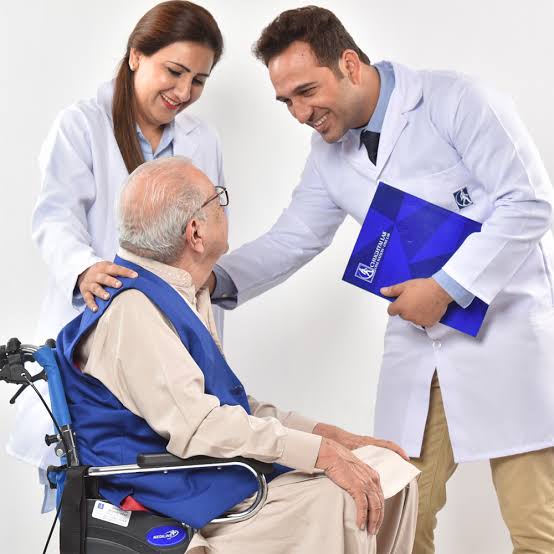

Home Health Care Service: Improving Lives Through Personalized Care
Home Health Care Service: Improving Lives Through Personalized Care
Introduction
Every patient has different healthcare needs. Some people need short-term care after surgery, while others require long-term support because of age, disability, or a chronic illness. Providing the right care at the right time is essential for a better quality of life. This is where a home health care service makes a real difference.
A home health care service delivers professional medical and personal care directly to a patient’s home. Instead of staying in a hospital for an extended period, patients receive expert treatment in a familiar and comfortable environment. This approach helps improve recovery, reduces stress, and allows families to stay actively involved in the care process.
Today, home healthcare is becoming more popular because it offers personalized care that meets each patient’s unique needs. In this article, we will explore how a home health care service improves lives through individualized care and why it has become a trusted healthcare solution for families.
What Is a Home Health Care Service?
A home health care service is a professional healthcare solution that provides medical and non-medical care in the comfort of a patient’s home. Services are delivered by trained healthcare professionals, including registered nurses, caregivers, physiotherapists, and patient attendants.
Unlike traditional hospital care, home healthcare focuses on creating a personalized care plan based on the patient’s health condition, lifestyle, and recovery goals. This ensures that every patient receives the attention and support they need.
Home healthcare is suitable for people of all ages who require medical care but prefer to stay at home.
The Importance of Personalized Care
One of the greatest strengths of a home health care service is personalized care. Every patient is unique, and their treatment should reflect their individual needs.
Healthcare professionals carefully assess each patient’s condition before developing a customized care plan. This plan may include medical treatment, rehabilitation, medication management, nutritional guidance, and personal care.
Personalized care helps improve treatment outcomes because patients receive services designed specifically for them instead of a one-size-fits-all approach.
Who Can Benefit from Home Health Care?
Many individuals benefit from a home health care service, including:
- Older adults who need daily support.
- Patients recovering from surgery.
- People living with diabetes, heart disease, or other chronic illnesses.
- Stroke survivors.
- Individuals with physical disabilities.
- Cancer patients.
- Patients requiring rehabilitation.
- People who need long-term nursing care.
Each patient receives the level of care that matches their health condition and daily requirements.
Services Offered by a Home Health Care Service
Professional home healthcare providers offer a wide range of healthcare services.
Skilled Nursing Care
Qualified nurses provide medical treatments such as:
- Medication administration
- Injections
- Wound dressing
- Blood pressure monitoring
- Blood sugar testing
- IV therapy
- Catheter care
- Health assessments
These services ensure patients receive professional medical care while remaining at home.
Elderly Care
Older adults often require help with daily activities.
Professional caregivers assist with:
- Bathing
- Dressing
- Grooming
- Meal preparation
- Walking assistance
- Medication reminders
- Companionship
This support helps seniors live comfortably and safely in familiar surroundings.
Post-Surgery Care
Proper care after surgery is essential for a successful recovery.
A home health care service provides:
- Wound management
- Pain monitoring
- Medication support
- Mobility assistance
- Infection prevention
- Recovery monitoring
Professional care at home helps reduce complications and encourages faster healing.
Physiotherapy at Home
Patients recovering from injuries, strokes, or orthopedic surgeries often require physiotherapy.
Home physiotherapy improves:
- Muscle strength
- Flexibility
- Balance
- Coordination
- Joint movement
- Physical mobility
Receiving therapy at home makes rehabilitation easier and more convenient.
Personal Care Assistance
Caregivers also provide support with daily living activities such as:
- Personal hygiene
- Feeding
- Dressing
- Grooming
- Toileting
- Mobility assistance
These services help patients maintain dignity while receiving compassionate care.
Benefits of Personalized Home Healthcare
Choosing a home health care service provides many advantages for both patients and families.
Individual Attention
Healthcare professionals focus on one patient at a time. This allows them to monitor progress closely and adjust the care plan when necessary.
Greater Comfort
Patients often feel happier and more relaxed in their own homes. A familiar environment can reduce anxiety and improve emotional well-being.
Better Recovery
Personalized treatment and continuous monitoring help patients recover more comfortably and effectively.
Lower Risk of Infection
Hospitals treat many patients every day, increasing the chance of infections. Home healthcare offers a safer environment for recovery.
Family Involvement
Family members can actively participate in treatment decisions and provide emotional support throughout the patient’s recovery.
Improved Independence
A home health care service encourages patients to perform daily activities according to their abilities, helping them maintain confidence and independence.
Supporting Family Caregivers
Family members often play an important role in caring for loved ones. However, balancing caregiving with work and personal responsibilities can be challenging.
Professional home healthcare helps families by:
- Providing expert medical care.
- Assisting with daily caregiving tasks.
- Monitoring patient health.
- Offering guidance and education.
- Reducing caregiver stress.
This support allows families to spend more quality time with their loved ones while healthcare professionals manage medical responsibilities.
When Should You Consider Home Health Care?
A home health care service may be the right choice if a loved one:
- Has recently had surgery.
- Needs regular nursing care.
- Has a chronic illness.
- Has difficulty walking.
- Requires rehabilitation.
- Needs assistance with daily activities.
- Cannot travel easily for medical appointments.
- Requires long-term medical support.
Seeking professional care early can improve health outcomes and prevent unnecessary hospital admissions.
Choosing the Right Home Health Care Provider
Finding a trusted provider is essential for receiving quality care.
When selecting a home health care service, consider:
- Qualified nurses and caregivers
- Professional experience
- Personalized care plans
- Flexible scheduling
- Emergency support
- Positive client reviews
- Affordable pricing
- Good communication
Choosing the right provider ensures patients receive safe, reliable, and compassionate healthcare.
Home Health Care Services in Pakistan
The demand for home healthcare is increasing across Pakistan as more families recognize the benefits of receiving care at home.
Aviva Home Health Care Services offers skilled nursing, elderly care, physiotherapy, patient attendants, post-surgery support, and many other healthcare services. Their experienced healthcare professionals provide personalized care that focuses on improving patient comfort, health, and independence.
To learn more about their services, visit https://www.avivahomehealthcareservices.pk/.
Tips for Getting the Best Results from Home Healthcare
Families can help improve patient outcomes by following these simple recommendations:
- Follow the treatment plan carefully.
- Keep medicines organized.
- Maintain a clean and safe home.
- Encourage healthy eating habits.
- Support regular physical activity if recommended.
- Communicate openly with healthcare professionals.
- Attend follow-up appointments.
- Monitor changes in the patient’s health.
These steps help create a successful home healthcare experience.
The Future of Personalized Home Healthcare
Technology continues to improve home healthcare services. Telemedicine, remote patient monitoring, digital health records, and online consultations make personalized care more accessible than ever.
These innovations allow healthcare professionals to monitor patients closely and respond quickly when additional support is needed.
Conclusion
A home health care service is improving lives by delivering personalized medical care in the comfort of home. Every patient receives a customized care plan designed to meet their unique health needs, helping them recover safely while maintaining independence and dignity.
From skilled nursing and elderly care to rehabilitation and personal assistance, home healthcare provides complete support for patients and their families. It reduces stress, improves comfort, and encourages better health outcomes through compassionate, one-on-one care.
Choosing a trusted home health care service is one of the best ways to ensure your loved ones receive professional healthcare while enjoying the comfort and security of home. As healthcare continues to evolve, personalized home healthcare will remain an essential part of improving lives and supporting healthier communities.