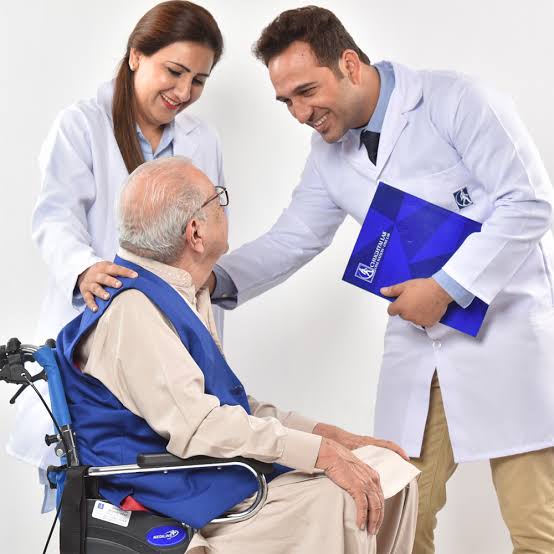

The Family’s Role in Home Health Care in Lahore
The Family’s Role in Home Health Care in Lahore
When a loved one becomes ill, recovers from surgery, or begins living with a long-term medical condition, family members often become the first source of care and support. While professional healthcare providers play an essential role in treatment and recovery, the involvement of family members can significantly improve a patient’s physical health, emotional well-being, and overall quality of life.
Professional home health careservices in Lahore are designed to work alongside families, not replace them. Skilled nurses, caregivers, physiotherapists, and other healthcare professionals provide medical expertise, while family members offer emotional support, encouragement, and assistance with daily routines. Together, they create a safe and supportive environment that helps patients recover more comfortably at home.
This guide explains the important role families play in home healthcare, how they can work effectively with healthcare professionals, and why teamwork leads to better patient outcomes.
Why Family Involvement Is Important
Home healthcare is most effective when patients receive support from both trained professionals and their loved ones. Family members know the patient’s habits, preferences, personality, and medical history, making them valuable partners in the care process.
Family involvement can help:
- Improve recovery
- Increase patient confidence
- Reduce stress and anxiety
- Ensure treatment plans are followed
- Detect changes in health early
- Strengthen emotional well-being
- Improve communication with healthcare providers
Patients often feel more comfortable and motivated when surrounded by familiar faces.
Understanding Home Health Care Services
Professional home health careservices provide medical and personal care in the patient’s home.
These services may include:
- Skilled nursing care
- Elderly care
- Patient attendants
- Physiotherapy
- Occupational therapy
- Speech therapy
- Medication management
- Wound care
- Post-surgical care
- Long-term care
- Palliative care
Healthcare professionals focus on medical treatment while families provide daily encouragement and practical support.
Providing Emotional Support
Illness can affect a patient’s emotional health as much as their physical condition.
Family members can help by:
- Spending quality time together
- Listening patiently
- Offering encouragement
- Maintaining a positive attitude
- Helping patients stay socially connected
Emotional support often improves motivation during recovery and rehabilitation.
Assisting with Daily Activities
Some patients require help with routine activities between professional healthcare visits.
Family members may assist with:
- Preparing meals
- Helping with dressing
- Personal hygiene
- Walking support
- Organizing medications
- Light household tasks
Professional caregivers can guide families on how to perform these activities safely.
Following the Care Plan
Healthcare professionals develop personalized care plans based on each patient’s condition.
Family members support treatment by:
- Following medication schedules
- Encouraging therapy exercises
- Attending follow-up appointments
- Monitoring symptoms
- Keeping healthcare records updated
Consistency helps patients achieve better recovery outcomes.
Communicating with Healthcare Professionals
Open communication is one of the most important aspects of successful home healthcare.
Family members should:
- Report new symptoms
- Ask questions about treatments
- Share concerns promptly
- Inform caregivers about medication changes
- Discuss progress regularly
Good communication allows healthcare professionals to adjust care plans when needed.
Supporting Medication Management
Many patients take multiple medications every day.
Families can help by:
- Setting medication reminders
- Organizing medicine safely
- Checking prescription refills
- Watching for side effects
- Informing nurses about missed doses
Professional nurses continue to supervise medication administration whenever required.
Encouraging Healthy Nutrition
Proper nutrition plays an important role in recovery and long-term health.
Family members can support healthy eating by:
- Preparing balanced meals
- Encouraging hydration
- Following dietary recommendations
- Limiting unhealthy foods
- Monitoring appetite changes
Nutrition supports healing, energy, and immune function.
Promoting Safe Mobility
Many patients experience reduced mobility after illness or surgery.
Families can assist by:
- Helping patients walk safely
- Encouraging prescribed exercises
- Removing household hazards
- Supporting physiotherapy routines
- Using mobility aids correctly
Healthcare professionals provide guidance to ensure mobility assistance is performed safely.
Creating a Safe Home Environment
A safe home reduces the risk of accidents and injuries.
Families can improve safety by:
- Removing loose rugs
- Improving lighting
- Installing grab bars
- Keeping walkways clear
- Using non-slip mats
- Organizing medical equipment properly
Simple home modifications help patients move around more confidently.
Monitoring the Patient’s Condition
Family members often notice changes before scheduled healthcare visits.
They should monitor:
- Appetite
- Sleep patterns
- Mobility
- Mood
- Breathing
- Pain levels
- Swelling
- Fever
- Skin changes
Any unusual symptoms should be reported to the healthcare provider promptly.
Helping During Rehabilitation
Patients recovering from strokes, fractures, surgeries, or neurological conditions often participate in rehabilitation programs.
Families can support rehabilitation by:
- Encouraging regular exercises
- Assisting with mobility practice
- Celebrating progress
- Maintaining therapy schedules
- Providing motivation
Regular practice often improves recovery results.
Supporting Elderly Family Members
Older adults often benefit greatly from family involvement.
Families can:
- Visit regularly
- Encourage social interaction
- Help with appointments
- Monitor medications
- Provide companionship
- Observe changes in health
Emotional connection is especially important for elderly individuals living alone.
Caring for Patients with Chronic Illnesses
Long-term conditions such as diabetes, heart disease, Parkinson’s disease, Multiple Sclerosis, and chronic lung disease require ongoing support.
Families help by:
- Monitoring symptoms
- Encouraging healthy habits
- Supporting treatment plans
- Attending medical consultations
- Providing emotional reassurance
Long-term care becomes more effective when everyone works together.
Respecting the Patient’s Independence
Although assistance is important, patients should be encouraged to remain as independent as safely possible.
Families can:
- Allow patients to perform tasks they can manage
- Encourage decision-making
- Respect personal preferences
- Support independence without taking over completely
Maintaining independence often improves confidence and emotional well-being.
Managing Caregiver Stress
Providing care can sometimes be physically and emotionally demanding.
Family caregivers should also care for themselves by:
- Taking regular breaks
- Sharing responsibilities
- Asking for professional support
- Maintaining healthy routines
- Seeking help when feeling overwhelmed
Professional home health careservices can reduce caregiver burden by providing skilled assistance and allowing family members time to rest.
Building Trust with the Healthcare Team
A strong partnership between families and healthcare professionals benefits everyone involved.
Families should:
- Respect scheduled visits
- Share accurate medical information
- Follow professional advice
- Ask questions when uncertain
- Participate in care planning
Trust and cooperation create a more effective care experience.
Benefits of Family Participation
Active family involvement provides many advantages.
Better Recovery
Patients often recover more successfully when surrounded by supportive family members.
Improved Emotional Well-Being
Regular companionship reduces loneliness and increases motivation.
Better Treatment Adherence
Family members help ensure medications, therapies, and care routines are followed consistently.
Increased Safety
Daily observation helps identify health changes before they become serious.
Greater Peace of Mind
Families gain confidence knowing they are working together with experienced healthcare professionals.
When Professional Help Is Needed
While families provide valuable support, some situations require trained healthcare professionals.
Professional home health careservices should be considered when patients need:
- Skilled nursing care
- Injection services
- IV therapy
- Wound care
- Catheter management
- Physiotherapy
- Oxygen therapy
- Long-term medical monitoring
- Post-surgical care
- Palliative care
Professional healthcare complements the support already provided by family members.
Why Families in Lahore Choose Home Health Care Services
Many families in Lahore prefer home healthcare because it allows their loved ones to remain in familiar surroundings while receiving professional medical support. Home healthcare providers work closely with family members to develop personalized care plans, monitor recovery, and adjust treatments as needed.
This collaborative approach combines professional expertise with family involvement, helping patients recover more comfortably while maintaining their dignity and independence.
Conclusion
Family members play a vital role in the success of home health careservices in Lahore. Their emotional support, daily assistance, and close communication with healthcare professionals help create a positive environment where patients can recover safely and comfortably at home.
By working together with skilled nurses, caregivers, and therapists, families can improve treatment outcomes, reduce stress, and enhance the overall quality of life for their loved ones. A strong partnership between families and professional home healthcare providers ensures that patients receive compassionate, personalized, and comprehensive care throughout their recovery and long-term health journey.