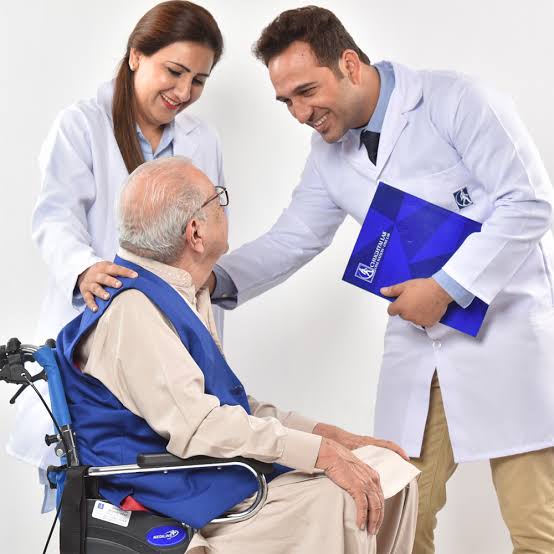

Tube Feeding at Home – The Process in Lahore
Tube Feeding at Home – The Process in Lahore
Patients who cannot eat or drink normally because of illness, surgery, or certain medical conditions may require tube feeding to receive proper nutrition. Tube feeding ensures the body gets the nutrients, fluids, and medications needed for recovery and overall health. Many families in Lahore are now choosing home health careservices for tube feeding because it allows patients to receive professional care in the comfort of their own homes.
Providing tube feeding at home requires proper training, hygiene, and careful monitoring. Professional nurses and caregivers understand the correct techniques for feeding, cleaning, and caring for feeding tubes while reducing the risk of complications. Home healthcare makes the process safer and gives families confidence that their loved ones are receiving quality care.
This article explains the process of tube feeding at home, who may need it, its benefits, and how home health careservices in Lahore, Pakistan help patients receive safe and effective nutritional support.
What Is Tube Feeding?
Tube feeding, also called enteral feeding, is a method of providing nutrition directly into the stomach or small intestine through a feeding tube. It is used when a person cannot eat enough food by mouth but their digestive system is still working properly.
Tube feeding provides:
- Essential nutrients
- Calories
- Protein
- Vitamins
- Minerals
- Water
- Prescribed medications when appropriate
The feeding formula is specially prepared to meet the patient’s nutritional needs.
Who May Need Tube Feeding?
Tube feeding may be recommended for patients with various medical conditions that affect swallowing or eating.
Common conditions include:
- Stroke
- Paralysis
- Parkinson’s disease
- Alzheimer’s disease
- Dementia
- Head and neck cancer
- Severe neurological disorders
- Brain injuries
- Multiple sclerosis
- Throat surgery recovery
- Severe swallowing difficulties
- Long-term unconsciousness
The decision to start tube feeding is made by the treating doctor after evaluating the patient’s medical condition and nutritional needs.
Types of Feeding Tubes
Different feeding tubes are used depending on the patient’s condition and the expected duration of feeding.
Nasogastric (NG) Tube
An NG tube passes through the nose into the stomach. It is generally used for short-term feeding.
Gastrostomy (G-Tube)
A gastrostomy tube is placed directly into the stomach through the abdomen. It is commonly used for patients who require long-term nutritional support.
Jejunostomy (J-Tube)
A J-tube delivers nutrition directly into the small intestine. It may be recommended when feeding into the stomach is not appropriate.
Healthcare professionals determine the most suitable tube based on the patient’s diagnosis and treatment plan.
Why Choose Tube Feeding at Home?
Many patients no longer need to remain in the hospital simply because they require tube feeding. Professional home health careservices make it possible to continue nutritional care safely at home.
Home-based tube feeding offers several benefits.
Comfortable Recovery
Patients often feel more relaxed and emotionally secure in familiar surroundings.
Reduced Hospital Visits
Home care minimizes repeated hospital trips for routine feeding support and monitoring.
Personalized Care
Home nurses provide one-on-one attention and adjust care according to the patient’s condition and doctor’s instructions.
Family Participation
Family members can learn proper care techniques while receiving guidance from trained healthcare professionals.
The Tube Feeding Process at Home
Professional home nurses follow a structured process to ensure tube feeding is performed safely.
Patient Assessment
Before beginning tube feeding, the nurse reviews:
- Medical history
- Doctor’s instructions
- Feeding schedule
- Nutritional requirements
- Medication plan
- Tube condition
- Overall health status
This assessment helps create a safe and effective care plan.
Preparing the Equipment
The nurse gathers all necessary supplies before starting.
These may include:
- Prescribed feeding formula
- Feeding syringe or feeding set
- Feeding pump if required
- Clean water for flushing
- Gloves
- Clean towels
- Measuring equipment
Using clean equipment helps reduce the risk of infection.
Hand Hygiene
Proper hand washing is one of the most important parts of tube feeding.
Healthcare professionals wash their hands thoroughly before touching the feeding tube or equipment. Gloves may also be worn when appropriate to maintain hygiene.
Positioning the Patient
The patient is usually placed in a sitting or semi-upright position before feeding begins.
Keeping the upper body elevated helps reduce the risk of aspiration, which occurs when food or liquid enters the lungs.
The patient normally remains in this position during feeding and for some time afterward, following the healthcare provider’s advice.
Checking the Feeding Tube
Before each feeding, the nurse checks that the tube appears secure and functions properly. The skin around the insertion site is also examined for redness, swelling, leakage, or other signs that should be reported to the healthcare team.
Administering the Feeding
The prescribed feeding formula is given according to the doctor’s instructions.
Depending on the patient’s needs, feeding may be:
- Slow continuous feeding using a pump
- Scheduled intermittent feeding
- Bolus feeding using a syringe
The type and amount of feeding always follow the healthcare provider’s recommendations.
Flushing the Tube
The feeding tube is flushed with the recommended amount of water before and after feedings or medications, as directed by the healthcare team. Flushing helps keep the tube clear and supports proper function.
Medication Through a Feeding Tube
Some medications can be administered through a feeding tube if approved by the prescribing doctor or pharmacist.
Home nurses ensure:
- Medications are prepared correctly.
- The tube is flushed as recommended.
- Medicines are given according to the prescribed schedule.
- Different medications are administered safely when more than one is required.
Patients and families should never crush or administer medications through a feeding tube unless instructed by a qualified healthcare professional.
Monitoring the Patient
After feeding, healthcare professionals observe the patient for any changes in comfort or condition.
Monitoring may include:
- General comfort
- Hydration
- Weight trends
- Feeding tolerance
- Tube condition
- Overall health status
Any concerns are communicated to the treating healthcare provider promptly.
Caring for the Feeding Tube
Proper tube care helps reduce complications.
Daily care may include:
- Cleaning the skin around the tube
- Keeping the insertion area dry when appropriate
- Checking for signs of irritation
- Ensuring the tube remains secure
- Following the healthcare team’s cleaning instructions
Good hygiene is an important part of safe home care.
Nutrition Planning
A dietitian or doctor usually determines the most appropriate feeding formula based on the patient’s:
- Age
- Weight
- Medical condition
- Nutritional needs
- Activity level
Using the recommended formula helps support recovery and maintain overall health.
Family Education
Professional home health careservices also focus on educating family members.
Families are taught:
- Proper hygiene
- Safe feeding techniques
- Equipment handling
- Tube care
- Recognizing warning signs
- Emergency contact procedures
This training allows family members to confidently assist with daily care when appropriate.
Benefits of Professional Home Nursing
Qualified home nurses provide many advantages during tube feeding.
These include:
- Safe feeding techniques
- Infection prevention
- Regular health monitoring
- Medication assistance
- Nutritional guidance
- Professional documentation
- Support for family caregivers
Their expertise helps patients receive high-quality care while remaining at home.
Possible Challenges
Although tube feeding is generally safe when performed correctly, some patients may experience issues that require medical attention. Families should contact their healthcare provider promptly if they notice problems such as a blocked tube, leakage, persistent vomiting, difficulty breathing, fever, or redness and swelling around the tube site. Home nurses also monitor for these concerns and help ensure appropriate follow-up care.
Choosing a Reliable Home Healthcare Provider
Selecting an experienced provider is important for safe tube feeding at home.
Look for a provider that offers:
- Qualified nurses
- Experience with enteral feeding
- Personalized care plans
- Flexible home visits
- Emergency support
- Clear communication
- High hygiene standards
- Ongoing patient monitoring
Professional care helps reduce risks and improves patient comfort.
The Growing Need for Tube Feeding at Home in Lahore
As healthcare services continue to improve, more patients are recovering at home after serious illness or surgery. This has increased the demand for home health careservices that include tube feeding support, nursing care, and rehabilitation.
Home healthcare allows patients to receive nutritional care in a familiar environment while maintaining close contact with family members. It also reduces unnecessary hospital stays and supports a more comfortable recovery.
Conclusion
Tube feeding at home is an effective way to provide nutrition for patients who cannot eat normally but still have a functioning digestive system. With the support of professional home health careservices, patients in Lahore, Pakistan can receive safe, hygienic, and personalized nutritional care without remaining in the hospital.
Qualified nurses ensure that feeding is carried out according to the patient’s medical plan while monitoring overall health and teaching family members how to assist safely. When provided by experienced healthcare professionals, tube feeding at home can improve comfort, support recovery, and enhance the quality of life for both patients and their families.