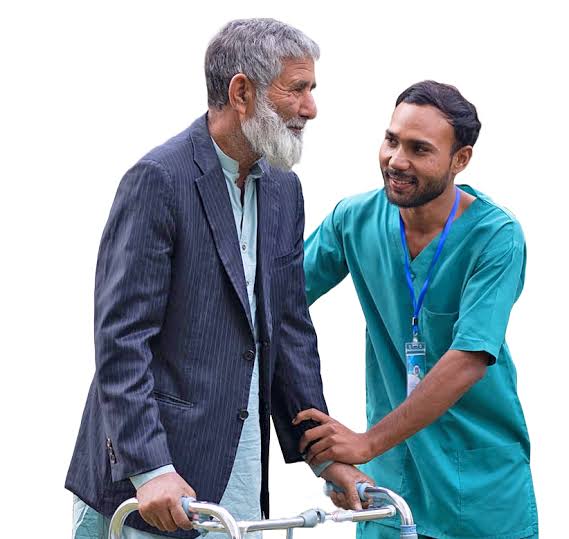

Long-Term Care Options for Patients in Lahore: A Complete Guide to Home Health Care Services
Long-Term Care Options for Patients in Lahore: A Complete Guide to Home Health Care Services
Living with a chronic illness, disability, or age-related health condition often requires ongoing medical and personal support. While some patients recover within a few weeks, others may need continuous assistance for months or even years. Long-term care helps individuals maintain their health, independence, and quality of life while receiving the support they need every day.
Professional home health care services in Lahore provide a wide range of long-term care options that allow patients to remain in the comfort of their own homes instead of staying in hospitals or care facilities. These services are tailored to each patient’s medical condition, physical abilities, and personal preferences, ensuring compassionate and consistent care.
What Is Long-Term Care?
Long-term care refers to a range of healthcare and personal support services provided to individuals who are unable to perform everyday activities independently due to illness, disability, injury, or aging.
The purpose of long-term care is to:
- Maintain the patient’s health
- Improve quality of life
- Support independence
- Prevent complications
- Provide ongoing medical supervision
- Reduce unnecessary hospital admissions
Long-term care may involve skilled nursing, rehabilitation, personal care, and emotional support.
Why Choose Home Health Care Services for Long-Term Care?
Many families prefer home health care services because patients recover and live more comfortably in familiar surroundings.
Home-based long-term care offers several benefits, including:
- Personalized care plans
- Professional nursing support
- Comfortable home environment
- Flexible schedules
- Family involvement
- Reduced hospital visits
- One-on-one attention
- Better emotional well-being
Receiving care at home often helps patients maintain their routines while enjoying greater privacy and comfort.
Who May Need Long-Term Care?
Long-term care is suitable for people with various medical conditions.
Patients who commonly require ongoing care include:
- Elderly individuals
- Stroke survivors
- Paralysis patients
- Individuals with spinal cord injuries
- Parkinson’s disease patients
- Alzheimer’s disease patients
- Dementia patients
- Cancer patients
- Patients with chronic heart disease
- Individuals with chronic lung disease
- Kidney disease patients
- Patients recovering from major surgery
Every patient receives care according to their unique health needs.
Skilled Nursing Care
Professional nursing is one of the most common long-term care services.
Home nurses may provide:
- Vital sign monitoring
- Medication administration
- Injection services
- IV therapy
- Wound care
- Catheter care
- Tracheostomy care
- Feeding tube care
- Blood pressure monitoring
- Blood sugar monitoring
Regular nursing visits help detect health changes early and support ongoing treatment.
Personal Care Assistance
Many patients need help with everyday activities.
Professional caregivers assist with:
- Bathing
- Dressing
- Grooming
- Toileting
- Feeding
- Oral hygiene
- Hair care
- Changing clothes
Maintaining personal hygiene improves comfort, dignity, and overall health.
Elderly Care at Home
Older adults often require assistance due to reduced mobility or chronic medical conditions.
Long-term elderly care may include:
- Daily supervision
- Medication reminders
- Meal assistance
- Mobility support
- Fall prevention
- Personal hygiene
- Companionship
- Health monitoring
Home-based elderly care allows seniors to remain in familiar surroundings while receiving professional support.
Care for Stroke Patients
Stroke recovery may continue for many months.
Long-term stroke care often includes:
- Nursing care
- Physiotherapy
- Occupational therapy
- Speech therapy
- Mobility assistance
- Personal care
- Medication management
Consistent rehabilitation helps improve independence over time.
Care for Paralysis Patients
Patients with paralysis usually require continuous support.
Professional caregivers assist with:
- Position changes
- Pressure sore prevention
- Transfer assistance
- Personal hygiene
- Feeding support
- Mobility exercises
- Skin care
Long-term care helps reduce complications associated with limited movement.
Dementia and Alzheimer’s Care
Patients living with dementia or Alzheimer’s disease benefit from structured daily routines.
Home caregivers provide:
- Supervision
- Medication reminders
- Personal care
- Cognitive stimulation
- Safety monitoring
- Emotional support
- Assistance with daily activities
A familiar home environment can reduce confusion and anxiety for many patients.
Cancer Care at Home
Long-term cancer care focuses on comfort and symptom management.
Services may include:
- Pain management support
- Medication monitoring
- Nutrition assistance
- Personal hygiene
- Emotional support
- Wound care
- Mobility assistance
Home care helps many patients maintain comfort while continuing treatment or supportive care.
Rehabilitation Services
Long-term rehabilitation may involve several therapies.
These include:
- Physiotherapy
- Occupational therapy
- Speech therapy
- Mobility training
- Strengthening exercises
- Balance improvement
Rehabilitation programs are adjusted as the patient’s condition improves.
Medication Management
Many long-term patients take multiple medications every day.
Healthcare professionals help by:
- Organizing medication schedules
- Administering medicines
- Monitoring side effects
- Recording treatment progress
- Coordinating with doctors
Proper medication management reduces the risk of missed doses and medication errors.
Nutrition Support
Good nutrition supports healing and long-term health.
Healthcare providers may assist with:
- Meal planning
- Feeding assistance
- Hydration monitoring
- Dietary education
- Tube feeding support when required
Balanced nutrition helps improve energy levels and supports recovery.
Mobility Assistance
Limited mobility increases the risk of falls and injuries.
Professional caregivers help patients with:
- Walking
- Standing
- Bed transfers
- Wheelchair use
- Stair assistance
- Exercise routines
Safe mobility improves independence while reducing accidents.
Medical Equipment Support
Many long-term patients require specialized medical equipment at home.
Common equipment includes:
- Hospital beds
- Wheelchairs
- Walkers
- Oxygen concentrators
- Nebulizers
- Suction machines
- Pressure-relief mattresses
- Patient lifts
Healthcare professionals teach families how to use equipment safely and correctly.
Emotional and Social Support
Long-term illness can affect emotional health as much as physical health.
Caregivers provide:
- Friendly companionship
- Conversation
- Emotional encouragement
- Mental stimulation
- Social interaction
- Family communication
Emotional support contributes to overall well-being and helps reduce feelings of loneliness.
Family Education
Professional home health care services also educate family members on providing safe daily care.
Training may include:
- Safe lifting techniques
- Medication schedules
- Infection prevention
- Skin care
- Emergency response
- Nutrition guidance
- Equipment use
Educated caregivers are better prepared to support long-term recovery.
Flexible Long-Term Care Options
Home healthcare providers in Lahore usually offer flexible care plans based on the patient’s condition.
Options may include:
- Hourly care
- Daily visits
- Overnight care
- Live-in caregivers
- 24-hour nursing support
- Short-term respite care for family caregivers
Families can choose the level of assistance that best suits their medical and personal needs.
Benefits of Long-Term Home Health Care
Receiving long-term care through home health care services offers many advantages.
Personalized Care
Every care plan is developed according to the patient’s health condition, lifestyle, and goals.
Greater Comfort
Patients remain in their own homes surrounded by family and familiar surroundings.
Better Health Monitoring
Regular assessments help identify health changes before they become serious.
Improved Independence
Therapies and daily support encourage patients to maintain as much independence as possible.
Peace of Mind for Families
Knowing that trained healthcare professionals are providing consistent care reduces stress and allows family members to focus on spending meaningful time with their loved ones.
Choosing the Right Long-Term Care Provider in Lahore
Selecting a reliable provider is one of the most important decisions families make. Look for home healthcare services that employ qualified nurses, trained caregivers, and rehabilitation professionals. A good provider should offer personalized care plans, clear communication, regular progress evaluations, and flexible scheduling to meet changing patient needs.
It is also helpful to choose a provider that works closely with the patient’s doctor, ensuring that treatments, medications, and rehabilitation programs remain coordinated throughout the care journey.
Conclusion
Long-term care provides ongoing medical, personal, and emotional support for individuals living with chronic illnesses, disabilities, or age-related health conditions. Professional home health care services in Lahore offer comprehensive long-term care options that allow patients to remain safe, comfortable, and independent in their own homes.
From skilled nursing and rehabilitation to personal care, medication management, and family education, home-based long-term care addresses every aspect of the patient’s well-being. With individualized care plans and compassionate professional support, families can ensure their loved ones receive high-quality care while enjoying the comfort and familiarity of home.