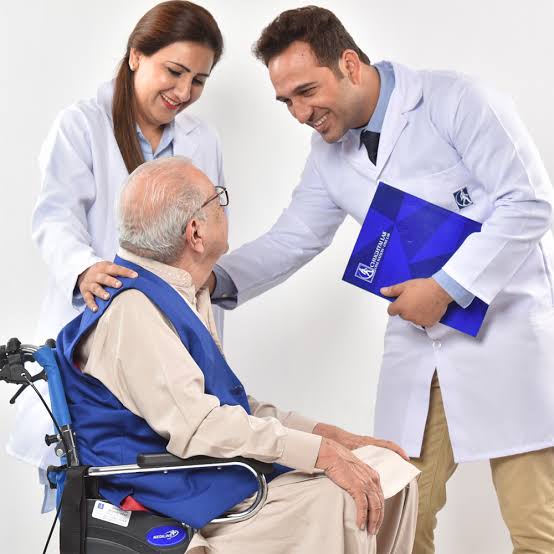

Hygiene Standards in Home Care Services in Lahore
Hygiene Standards in Home Care Services in Lahore
Maintaining proper hygiene is one of the most important parts of quality patient care at home. Patients who receive healthcare services in their homes often have weakened immune systems due to age, surgery, chronic illness, or disability. Even a small infection can delay recovery and lead to serious health problems. This is why professional home health careservices in Lahore place great importance on maintaining high hygiene standards during every visit. Clean surroundings, sanitized medical equipment, proper hand hygiene, and safe caregiving practices all work together to protect patients and improve their overall well-being.
As more families in Lahore choose home-based medical care, hygiene has become a key factor when selecting a healthcare provider. A professional caregiver should not only have medical knowledge but should also understand how to prevent infections and maintain a safe environment inside the patient’s home. High hygiene standards build trust between caregivers and families while helping patients recover comfortably without unnecessary health risks.
Why Hygiene Is Essential in Home Care
Unlike hospitals, homes are not designed to function as healthcare environments. Family members, visitors, pets, dust, and everyday household activities can introduce bacteria and viruses into the patient’s surroundings. Patients recovering from surgery, suffering from diabetes, paralysis, stroke, cancer, or other long-term illnesses may have weaker immune systems, making them more vulnerable to infections. Proper hygiene minimizes these risks and allows patients to receive treatment in a safer environment.
Professional caregivers understand that infection prevention begins with simple daily habits. Every interaction with the patient should follow hygiene protocols that reduce the spread of germs. Maintaining cleanliness not only protects the patient but also keeps family members and caregivers safe from infectious diseases.
Proper Hand Hygiene
Hand hygiene is considered the most effective way to prevent the spread of infections. Before touching the patient, preparing food, administering medicines, changing dressings, or handling medical equipment, caregivers should thoroughly wash their hands with soap and clean water. Hands should also be washed after completing patient care, removing gloves, using the washroom, coughing, sneezing, or touching contaminated surfaces.
When soap and water are not available, alcohol-based hand sanitizers can provide an additional level of protection. However, visibly dirty hands should always be washed with soap first. Families should also practice proper hand hygiene before assisting their loved ones to reduce the possibility of transferring harmful bacteria.
Personal Hygiene of Caregivers
Professional caregivers must maintain excellent personal hygiene throughout their workday. Clean uniforms, freshly washed hands, trimmed fingernails, neatly tied hair, and clean footwear all contribute to a safer care environment. Jewelry should be kept to a minimum because germs can easily collect under rings and bracelets.
Caregivers who feel sick with fever, cough, or other infectious symptoms should avoid direct patient contact whenever possible. Wearing disposable gloves, masks, and protective gowns when necessary provides an extra layer of protection for both patients and healthcare workers. These simple practices significantly reduce the chance of infection.
Maintaining Patient Cleanliness
Personal hygiene is essential for every patient regardless of age or medical condition. Regular bathing, oral care, hair washing, skin cleaning, nail trimming, and changing into fresh clothes help maintain dignity while preventing skin infections and unpleasant odors. Bedridden patients require even greater attention because remaining in one position for long periods increases the risk of pressure sores and skin damage.
Caregivers carefully clean sensitive areas, dry the skin properly, and apply moisturizers when needed. Good skin care keeps the patient’s body healthy while reducing irritation and bacterial growth.
Clean Bedding and Clothing
Bedding comes into direct contact with the patient’s skin throughout the day and night. Dirty sheets, blankets, and pillow covers can quickly become breeding grounds for bacteria if they are not changed regularly. Patients who experience sweating, wound drainage, urinary incontinence, or other medical conditions may require more frequent linen changes.
Fresh bedding provides greater comfort while reducing infection risks. Patient clothing should also be washed using clean water and dried completely before reuse. Proper laundry practices contribute to a healthier recovery environment.
Safe Cleaning of Medical Equipment
Many patients receiving home health careservices depend on medical equipment every day. Oxygen concentrators, nebulizers, suction machines, blood pressure monitors, thermometers, wheelchairs, walkers, hospital beds, and feeding equipment must all be cleaned according to proper guidelines.
Medical equipment should never be shared between patients without thorough disinfection. Regular cleaning removes harmful bacteria, extends equipment life, and ensures safe operation. Professional caregivers understand the correct methods for cleaning and maintaining these devices while following manufacturer recommendations.
Preventing Cross-Contamination
Cross-contamination occurs when germs spread from one surface, object, or person to another. Caregivers reduce this risk by changing gloves between different tasks, washing hands frequently, disinfecting equipment after use, and separating clean supplies from contaminated materials.
Items such as wound dressings, catheters, feeding tubes, and medical instruments should always be handled with care. Proper infection control protects vulnerable patients from avoidable complications.
Hygiene During Wound Care
Patients recovering from surgery, burns, or injuries often require regular wound dressing changes. Maintaining sterile conditions during wound care is essential to prevent infection and promote healing. Caregivers should wash their hands thoroughly, wear sterile gloves, use clean dressing materials, and safely dispose of used bandages.
Wounds should be monitored for redness, swelling, unusual pain, unpleasant odor, or discharge, as these may indicate infection. Early identification allows timely medical attention and helps prevent serious complications.
Catheter and Tube Care
Patients with urinary catheters or feeding tubes require special hygiene practices. The catheter area should be cleaned daily, drainage bags should remain below bladder level, and tubing should not be twisted or pulled. Feeding tubes should also be cleaned before and after each use to prevent contamination.
Proper catheter and tube care reduces the risk of urinary tract infections and digestive complications while improving patient comfort.
Maintaining a Clean Home Environment
A clean home supports better patient recovery. Floors should be mopped regularly, frequently touched surfaces disinfected, and rooms kept well ventilated. Dust should be removed from furniture, curtains cleaned periodically, and unnecessary clutter eliminated to make movement safer for both patients and caregivers.
Bathrooms require particular attention because moisture encourages bacterial growth. Toilets, sinks, showers, and floors should be cleaned frequently using appropriate disinfectants.
Food Safety and Nutrition
Good hygiene extends into the kitchen. Meals prepared for patients should always use fresh ingredients, clean utensils, and safe drinking water. Food should be cooked properly, stored at the correct temperature, and served immediately whenever possible.
Caregivers should wash their hands before preparing food and avoid cross-contamination between raw and cooked items. Safe food handling protects patients from foodborne illnesses that could delay recovery.
Medical Waste Disposal
Home healthcare often generates medical waste, including gloves, syringes, IV tubing, wound dressings, masks, and disposable medical supplies. These items should never be mixed with ordinary household garbage without proper precautions. Safe disposal reduces the risk of accidental injuries and infection for family members, cleaning staff, and waste collectors.
Professional caregivers follow appropriate waste management practices to maintain a hygienic home environment.
Family Involvement in Hygiene
Family members play an important role in maintaining hygiene standards. They should wash their hands before helping the patient, keep visitors with contagious illnesses away, clean common household surfaces, and follow all instructions provided by healthcare professionals.
Communication between caregivers and families ensures that hygiene practices continue even after the caregiver has completed their visit.
Benefits of High Hygiene Standards
Maintaining excellent hygiene offers many long-term benefits. Patients experience fewer infections, recover more quickly, enjoy greater comfort, and require fewer hospital visits. Families gain peace of mind knowing their loved one is receiving safe care, while caregivers can perform their duties more effectively in a clean environment. High hygiene standards also improve patient confidence and contribute to better overall healthcare outcomes.
Choosing Professional Home Health Care Services in Lahore
When selecting a provider of home health careservices, families should ask about infection prevention practices, caregiver training, equipment cleaning procedures, and safety protocols. A trusted provider values patient safety just as much as medical treatment.
Aviva Home Health Care Services is committed to providing compassionate, professional care while maintaining strict hygiene standards. Experienced caregivers follow proper infection control procedures, maintain clean medical equipment, practice excellent personal hygiene, and support families in creating a safe recovery environment. Whether caring for elderly patients, post-surgical cases, individuals with chronic illnesses, or patients requiring long-term assistance, maintaining cleanliness remains a top priority.
For reliable home healthcare support in Lahore, visit https://www.avivahomehealthcareservices.pk/ to learn more about the available services.
Conclusion
Hygiene is the foundation of safe and effective home healthcare. Every aspect of patient care, from hand washing and personal cleanliness to equipment disinfection and waste disposal, plays an important role in preventing infections and supporting recovery. As more families choose home-based treatment, maintaining high hygiene standards becomes even more essential. Professional home health careservices in Lahore help patients receive quality medical care in a clean, comfortable, and familiar environment while reducing health risks and improving overall quality of life. By choosing an experienced provider that prioritizes hygiene and patient safety, families can ensure their loved ones receive the highest standard of care in the comfort of their own homes.