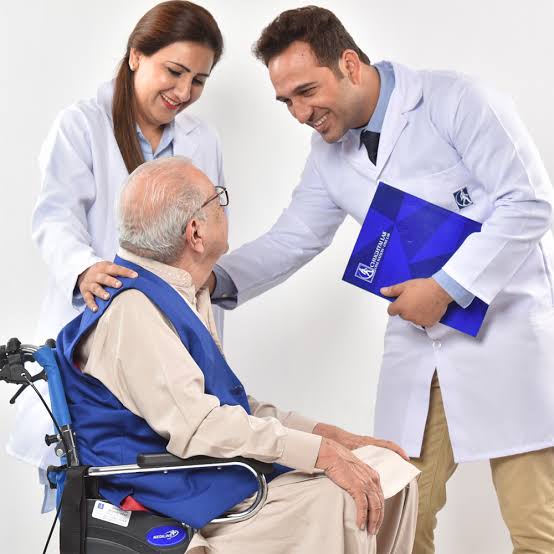

How to Get Emergency Home Nursing in Lahore: Fast and Reliable Home Health Care Services
How to Get Emergency Home Nursing in Lahore: Fast and Reliable Home Health Care Services
Medical emergencies can happen at any time, and not every situation requires a long hospital stay. Many patients need immediate nursing care at home after being discharged from the hospital, while others require urgent medical assistance because of sudden illness, injury, or worsening health conditions. In these situations, quick access to professional home health care services can make a significant difference.
Emergency home nursing provides skilled medical care in the comfort of the patient’s home, helping families receive timely treatment without unnecessary delays. Whether the patient needs injections, wound care, oxygen support, catheter management, or post-operative monitoring, experienced home nurses are trained to respond promptly and provide quality care.
For families in Lahore, understanding how to arrange emergency home nursing ensures that loved ones receive the right care when they need it most.
What Is Emergency Home Nursing?
Emergency home nursing is a specialized healthcare service that provides urgent medical assistance at a patient’s home. Unlike routine home care appointments, emergency nursing services are arranged quickly to address immediate healthcare needs.
A qualified home nurse visits the patient’s home, performs an assessment, provides necessary treatment, and monitors the patient’s condition. If the nurse identifies signs of a life-threatening emergency, they can advise immediate transfer to a hospital for advanced medical care.
Professional home health care services help bridge the gap between hospital treatment and home recovery by delivering skilled nursing care directly to patients.
When Is Emergency Home Nursing Needed?
There are many situations where emergency home nursing may be appropriate.
These include:
- Sudden worsening of a chronic illness
- Recovery after emergency surgery
- Urgent wound dressing
- High fever requiring close monitoring
- Severe dehydration requiring IV therapy
- Difficulty managing medical equipment at home
- Catheter blockage or replacement
- Tracheostomy care
- Oxygen therapy support
- Medication administration when immediate assistance is required
Prompt nursing intervention often helps stabilize the patient’s condition and prevents unnecessary complications.
Common Patients Who Benefit from Emergency Home Nursing
Emergency home nursing is suitable for patients of all ages.
These services are commonly requested for:
- Elderly patients
- Post-surgical patients
- Stroke survivors
- Paralysis patients
- Cancer patients
- Individuals with respiratory illnesses
- Diabetic patients
- Patients with mobility limitations
- Individuals recovering from accidents
- Patients requiring palliative care
Each patient receives individualized care based on their medical condition and doctor’s recommendations.
Step 1: Recognize the Need for Immediate Nursing Care
The first step is recognizing when professional medical assistance is needed at home.
Signs that may require emergency home nursing include:
- Sudden weakness
- Difficulty moving
- Increased pain
- Fever after surgery
- Bleeding from a wound
- Swelling around surgical sites
- Breathing discomfort requiring oxygen monitoring
- Problems with feeding tubes
- Catheter complications
- Difficulty taking prescribed medications
Seeking professional nursing support early often helps prevent the condition from becoming more serious.
Step 2: Contact a Professional Home Health Care Provider
Once the need is identified, families should contact a trusted provider of home health care services in Lahore as quickly as possible.
During the initial call, you will usually be asked about:
- Patient’s age
- Current medical condition
- Recent hospital discharge
- Existing diagnosis
- Required nursing service
- Doctor’s instructions
- Home address
- Preferred visit time
Providing accurate information helps the agency dispatch the most suitable nurse.
Step 3: Explain the Patient’s Medical History
A clear medical history enables the nurse to prepare for the visit.
Important information may include:
- Current medications
- Allergies
- Recent surgeries
- Chronic illnesses
- Existing medical equipment
- Previous hospital treatments
- Laboratory reports if available
The more information provided, the better prepared the nurse will be to deliver appropriate care.
Step 4: Nurse Arrival and Initial Assessment
After arriving at the patient’s home, the nurse begins with a thorough assessment.
This usually includes checking:
- Blood pressure
- Heart rate
- Body temperature
- Oxygen saturation
- Blood sugar if required
- Respiratory condition
- Pain level
- Wound condition
- Overall physical status
The assessment helps determine the immediate care required.
Emergency Nursing Services Provided at Home
Professional home nurses can perform many medical procedures during emergency visits.
Common services include:
Medication Administration
Nurses safely administer prescribed medications while monitoring the patient’s response.
Injection Services
Patients requiring urgent injections receive professional administration using sterile techniques.
IV Drip Therapy
For dehydration, nutritional support, or prescribed medications, nurses can administer intravenous therapy at home.
Wound Dressing
Fresh wounds, post-operative incisions, and chronic ulcers require proper cleaning and sterile dressing changes to reduce infection risks.
Catheter Care
Emergency catheter replacement, cleaning, or troubleshooting can often be performed safely at home.
Oxygen Therapy
Patients experiencing breathing difficulties may require oxygen monitoring and equipment management.
Vital Sign Monitoring
Regular observation of blood pressure, pulse, temperature, and oxygen levels helps detect changes in the patient’s condition.
Emergency Home Nursing After Hospital Discharge
Many patients leave the hospital before they are fully independent.
Professional home health care services provide continued medical support after discharge by offering:
- Medication management
- Surgical wound care
- Mobility assistance
- Infection monitoring
- Pain management
- Rehabilitation support
- Patient education
This continuity of care helps reduce hospital readmissions and supports a smoother recovery.
Home Medical Equipment Support
Some emergency situations involve medical equipment that requires professional handling.
Home nurses may assist with:
- Oxygen concentrators
- Nebulizers
- Feeding tubes
- Suction machines
- Hospital beds
- Blood glucose monitors
- Blood pressure devices
They also educate family members on proper equipment use and maintenance.
Benefits of Emergency Home Nursing
Receiving urgent nursing care at home offers several important advantages.
Faster Medical Attention
Professional nurses respond quickly, allowing patients to receive timely treatment without waiting in crowded healthcare facilities.
Greater Comfort
Patients recover in familiar surroundings, reducing stress and anxiety.
Personalized Care
The nurse focuses entirely on one patient, providing individualized attention throughout the visit.
Reduced Infection Risk
Home care minimizes exposure to hospital-acquired infections, particularly for elderly and immunocompromised patients.
Family Participation
Family members can observe the treatment, ask questions, and learn proper caregiving techniques directly from healthcare professionals.
Situations That Require Hospital Emergency Services Instead
Although emergency home nursing is valuable, it is not suitable for every medical emergency.
Patients should go to the nearest hospital or call emergency medical services immediately if they experience:
- Chest pain suggestive of a heart attack
- Severe breathing difficulty
- Loss of consciousness
- Heavy uncontrolled bleeding
- Major head injuries
- Stroke symptoms such as facial drooping or sudden weakness
- Severe allergic reactions
- Continuous seizures
Home nurses can provide follow-up care after these emergencies are stabilized in a hospital.
Preparing Your Home for an Emergency Nursing Visit
Families can make the visit more efficient by preparing:
- Medical records
- Prescription medications
- Recent laboratory reports
- Doctor’s discharge summary
- Medical equipment
- Clean treatment area
- Patient identification if required
Having these items ready allows the nurse to begin treatment without unnecessary delays.
Supporting Family Caregivers
Emergency nursing visits also provide valuable guidance for family members.
Nurses educate caregivers on:
- Medication schedules
- Wound care
- Safe patient movement
- Hygiene practices
- Nutrition
- Warning signs requiring medical attention
- Follow-up care instructions
This education helps families continue providing safe care after the nurse leaves.
Why Families in Lahore Choose Home Health Care Services
As healthcare needs continue to grow, many families in Lahore prefer receiving urgent nursing support at home whenever appropriate. Professional home health care services combine convenience with expert medical care, allowing patients to avoid unnecessary travel while receiving treatment from qualified healthcare professionals.
Whether the need involves post-operative recovery, elderly care, chronic disease management, or urgent nursing procedures, home healthcare offers flexible solutions tailored to each patient’s condition. Timely nursing intervention not only improves comfort but also promotes faster recovery and better overall health outcomes.
Conclusion
Knowing how to arrange emergency home nursing in Lahore can make a significant difference when urgent medical care is needed. Professional home health care services provide skilled nurses who respond promptly, assess the patient’s condition, deliver essential treatments, and support recovery in the comfort of home.
From injections and IV therapy to wound dressing, oxygen support, catheter care, and post-hospital recovery, emergency home nursing ensures patients receive timely, personalized care without unnecessary delays. By choosing experienced healthcare professionals and seeking assistance as soon as concerns arise, families can protect their loved ones, reduce complications, and enjoy greater peace of mind during challenging medical situations.