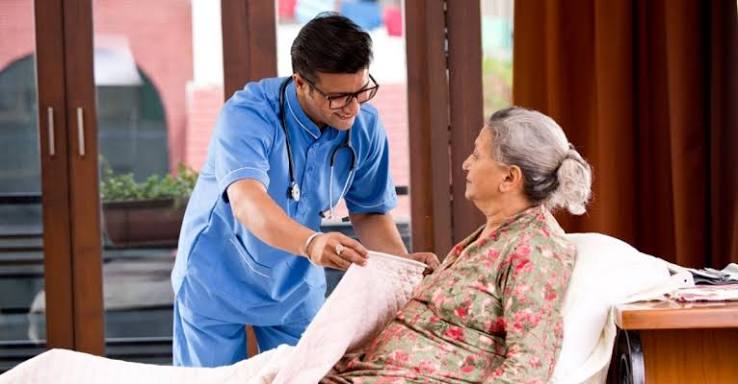

How the Home Care Process Starts in Lahore: A Complete Guide to Home Health Care Services
How the Home Care Process Starts in Lahore: A Complete Guide to Home Health Care Services
When a loved one needs medical or personal care, many families prefer treatment at home rather than staying in a hospital for an extended period. Home-based care provides comfort, convenience, and personalized attention while allowing patients to remain in familiar surroundings. Whether someone is recovering after surgery, managing a chronic illness, or requires elderly care, professional home health care services in Lahore offer a practical solution.
However, many families are unsure about how the home care process actually begins. Questions such as who to contact, what services are available, how caregivers are selected, and what happens during the first visit are common. Understanding each step of the process helps families make informed decisions and ensures that patients receive the right level of care from the very beginning.
This guide explains how the home care process starts in Lahore and what families can expect when arranging professional home health care services.
Understanding Home Health Care Services
Home health care services involve providing medical and non-medical care to patients in their own homes. Instead of remaining in hospitals or traveling frequently to healthcare facilities, patients receive professional support where they feel most comfortable.
These services can include:
- Nursing care
- Elderly care
- Post-surgical recovery
- Physiotherapy
- Injection services
- IV drip administration
- Catheter care
- Tracheostomy care
- Wound dressing
- Baby care
- Palliative care
- Personal caregiving
The level of care depends entirely on the patient’s health condition and individual requirements.
Step 1: Contacting a Home Health Care Provider
The home care process usually begins when a family contacts a professional home healthcare agency.
This may happen because:
- A patient has been discharged from the hospital.
- An elderly family member needs daily assistance.
- A doctor recommends home nursing.
- A patient requires rehabilitation.
- Long-term illness management becomes necessary.
- Family members need caregiving support.
During the initial conversation, the agency gathers basic information about the patient’s condition and the type of care required.
Step 2: Understanding the Patient’s Needs
Before assigning a caregiver, the healthcare provider carefully evaluates the patient’s medical and personal care requirements.
This assessment may include:
- Age
- Current diagnosis
- Medical history
- Recent surgeries
- Mobility level
- Medication schedule
- Existing medical equipment
- Daily living abilities
Understanding these details helps create a care plan that matches the patient’s health condition.
Step 3: Home Assessment
In many cases, a professional from the home healthcare agency visits the patient’s home before services begin.
The purpose of this visit is to:
- Evaluate the patient’s environment
- Assess safety risks
- Identify mobility challenges
- Determine equipment requirements
- Understand family expectations
- Plan caregiving routines
A home assessment ensures that caregivers can provide safe and effective care from the first day.
Step 4: Creating a Personalized Care Plan
Every patient has unique healthcare needs. Professional home health care services do not follow a one-size-fits-all approach.
Instead, they prepare a personalized care plan based on:
- Medical condition
- Doctor’s recommendations
- Family preferences
- Daily routine
- Nutritional needs
- Medication schedule
- Mobility assistance
- Rehabilitation goals
The care plan also determines how many hours of support are required each day.
Step 5: Selecting the Right Caregiver
Choosing the appropriate caregiver is one of the most important parts of the process.
Depending on the patient’s condition, the agency may assign:
Home Nurse
Qualified nurses provide medical care such as:
- Medication administration
- Injections
- IV therapy
- Wound dressing
- Catheter care
- Vital sign monitoring
Caregiver or Home Health Aide
Caregivers assist with daily activities including:
- Bathing
- Dressing
- Feeding
- Walking assistance
- Personal hygiene
- Companionship
Physiotherapist
Patients recovering from injuries, surgeries, or strokes may receive home physiotherapy to improve strength and mobility.
Step 6: Scheduling Home Visits
Once the caregiver has been assigned, a care schedule is arranged.
Home health care services in Lahore often provide flexible options such as:
- Hourly visits
- Daily care
- Weekly visits
- Night care
- Full-time care
- Live-in caregiving
- Emergency home visits
The schedule is designed to meet both the patient’s medical needs and the family’s convenience.
Step 7: First Home Visit
The first visit is an important part of establishing effective care.
During this visit, caregivers usually:
- Introduce themselves
- Review the care plan
- Assess the patient’s current condition
- Record vital signs
- Review medications
- Discuss concerns with family members
- Explain daily care routines
This visit also helps build trust between the caregiver, patient, and family.
Step 8: Beginning Daily Care
After the initial assessment, regular home care begins.
Depending on the care plan, daily responsibilities may include:
- Medication reminders
- Blood pressure monitoring
- Blood sugar monitoring
- Personal hygiene
- Feeding assistance
- Mobility support
- Exercise guidance
- Wound care
- Medical observations
Professional caregivers document patient progress and report any changes when necessary.
Medical Equipment Assessment
Some patients require medical equipment at home.
Healthcare providers may recommend:
- Hospital beds
- Oxygen concentrators
- Wheelchairs
- Walkers
- Suction machines
- Nebulizers
- Patient lifts
Caregivers also teach family members how to use equipment safely.
Communication with Family Members
Successful home care depends on clear communication.
Professional caregivers regularly update families regarding:
- Recovery progress
- Appetite
- Sleep quality
- Medication adherence
- Mobility improvements
- Health concerns
- Upcoming medical appointments
This ongoing communication ensures everyone remains informed about the patient’s condition.
Doctor Coordination
Home healthcare professionals often work closely with the patient’s physician.
Nurses may communicate with doctors regarding:
- Changes in symptoms
- Medication adjustments
- Recovery progress
- Laboratory results
- Wound healing
- New medical concerns
This coordination helps maintain continuity of care without unnecessary hospital visits.
Monitoring Patient Progress
Patient care does not remain the same forever.
Professional home health care services continuously monitor progress and adjust care plans when needed.
Healthcare providers evaluate:
- Mobility improvements
- Pain levels
- Healing progress
- Medication effectiveness
- Nutritional status
- Overall health
If the patient’s condition changes, the care plan can be updated immediately.
Safety Measures During Home Care
Patient safety remains a top priority throughout the caregiving process.
Professional caregivers follow strict safety practices, including:
- Infection prevention
- Hand hygiene
- Safe patient transfers
- Fall prevention
- Medication verification
- Sterile wound care
- Proper equipment use
- Emergency preparedness
These measures reduce complications while promoting faster recovery.
Benefits of Starting Home Care Early
Many families wait until a patient’s condition becomes serious before arranging professional support. Starting home care early often provides better outcomes.
Early home healthcare can:
- Prevent complications
- Improve recovery speed
- Reduce hospital readmissions
- Increase patient comfort
- Support independence
- Lower caregiver stress
- Improve quality of life
Timely intervention also helps identify health concerns before they become emergencies.
Common Conditions Treated Through Home Health Care Services
Professional home healthcare providers in Lahore care for patients with many different medical conditions, including:
- Diabetes
- High blood pressure
- Stroke recovery
- Paralysis
- Cancer
- Dementia
- Parkinson’s disease
- Respiratory illnesses
- Heart disease
- Orthopedic recovery
- Elderly frailty
- Post-operative rehabilitation
Each patient receives a customized care plan based on their individual needs.
Supporting Family Caregivers
Family members often provide valuable emotional support but may lack medical training. Home healthcare professionals teach families how to safely assist with daily care while avoiding unnecessary risks.
They may provide guidance on:
- Safe lifting techniques
- Medication schedules
- Nutrition
- Skin care
- Mobility assistance
- Recognizing warning signs
- Preventing falls
This education helps families feel more confident in caring for their loved ones.
Why Families in Lahore Prefer Home Health Care Services
Home-based healthcare has become increasingly popular because it combines professional medical support with the comfort of home. Patients often recover more peacefully in familiar surroundings, surrounded by loved ones rather than in busy hospital wards.
Professional home health care services also reduce travel time, minimize exposure to hospital-acquired infections, and provide one-on-one attention that may not always be possible in healthcare facilities.
For elderly individuals and patients with limited mobility, receiving care at home offers greater dignity, convenience, and independence while maintaining a high standard of medical support.
Conclusion
Starting professional home health care services in Lahore is a straightforward process designed to ensure patients receive personalized, safe, and effective care from the very beginning. From the initial consultation and home assessment to caregiver selection, personalized care planning, and ongoing monitoring, every step focuses on meeting the patient’s unique healthcare needs.
Whether the requirement is skilled nursing, elderly care, rehabilitation, post-surgical recovery, or daily personal assistance, home healthcare provides compassionate support without leaving the comfort of home. By beginning the home care process early and working with experienced healthcare professionals, families can improve recovery outcomes, reduce stress, and ensure their loved ones receive the quality care they deserve.