
How Technology Is Transforming Home Nursing Services in Lahore
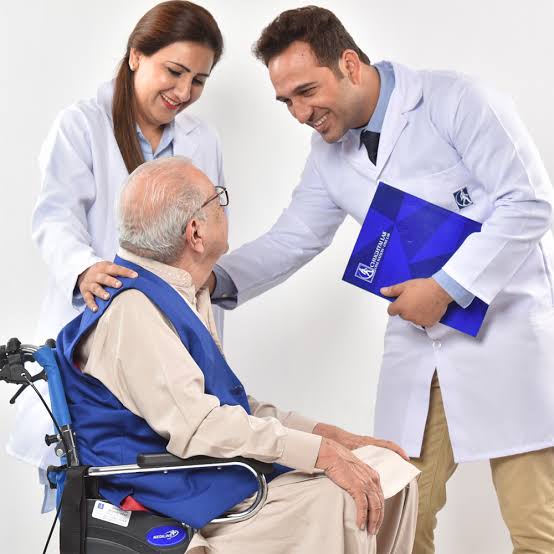
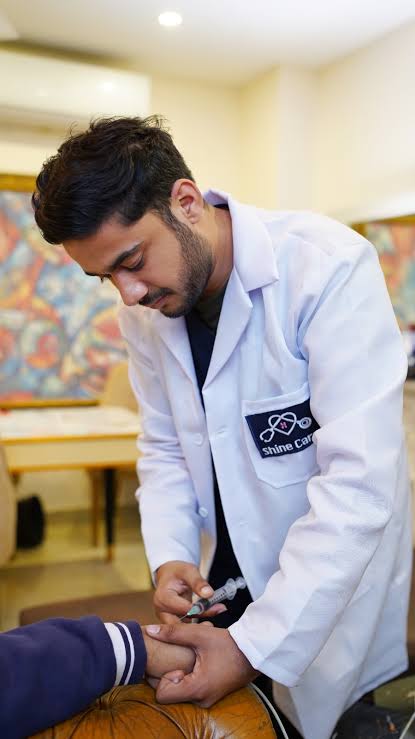
Lahore is a city in motion. Traffic never really stops, hospitals stay packed around the clock, and families juggling work and caregiving often find themselves stretched thin when a loved one needs medical attention at home. For years home nursing meant a nurse arriving with little more than a stethoscope and a notebook. That picture has changed quickly. Technology has entered the home care space in ways that are reshaping how patients are monitored, how families communicate with medical staff, and how quickly problems get caught before they become emergencies. Home Nursing Services in Lahore have moved from being a simple convenience to becoming a genuinely modern healthcare option, and the shift is worth understanding in detail.
A City Where Home Care Makes More Sense Than Ever
Lahore’s hospitals are often overcrowded, and getting a bed in a private facility can be expensive and slow. For elderly patients recovering from surgery, for new mothers needing postnatal support, or for people managing chronic illnesses like diabetes or heart disease, staying home with professional nursing support is often safer and more comfortable than a prolonged hospital stay. Home care reduces exposure to hospital acquired infections and allows patients to recover in a familiar environment surrounded by family. Providers such as Aviva Home Healthcare Services have built their model around exactly this need, combining trained nursing staff with the flexibility of care delivered inside the patient’s own home.
Remote Monitoring Devices Are Changing the Daily Routine
One of the biggest shifts in home nursing has come from wearable and remote monitoring devices. Blood pressure cuffs that sync with a smartphone app, pulse oximeters that track oxygen saturation continuously, and glucose monitors that send readings automatically to a caregiver’s phone have all become common tools in home care kits. Instead of a nurse checking vitals only during scheduled visits, these devices allow continuous tracking throughout the day. If a reading falls outside a safe range, an alert can be sent immediately to both the nurse and the family, allowing action to be taken before a small issue turns into a hospital emergency. For patients recovering from cardiac procedures or managing conditions like hypertension, this kind of constant oversight was simply not possible a decade ago.
Telehealth Consultations Bridging the Gap
Not every concern requires a doctor to physically visit the home, and not every family can easily transport a bedridden patient to a clinic. Telehealth has filled this gap in a meaningful way. A home nurse can now connect a physician through a video call within minutes, allowing the doctor to assess symptoms, review vitals shared digitally, and adjust treatment plans without the delay of scheduling an in person visit. This is particularly valuable in Lahore where traffic congestion can turn a short trip into a two hour ordeal. Telehealth also helps specialists located in other cities weigh in on complex cases, something that would have been logistically difficult in the past.
Digital Health Records Improve Continuity of Care
Paper based patient files used to be a common source of confusion in home nursing, especially when multiple caregivers rotated shifts or when a patient needed to switch providers. Digital health record systems have solved much of this problem. Every medication given, every vital sign recorded, and every note from a visiting nurse can now be logged into a shared digital file accessible to the entire care team. This means a night shift nurse can immediately see what happened during the day shift, and a doctor reviewing the case remotely can access the full history without waiting for someone to fax or scan documents. For families, this transparency also brings peace of mind because they can request updates and see exactly what care has been provided.
Mobile Apps Are Simplifying How Families Book and Track Care
Booking a home nurse used to involve phone calls, waiting periods, and sometimes uncertainty about who exactly would show up at the door. Mobile applications and online booking platforms have made this process far more straightforward. Families can now select the type of care needed, whether that is post surgical nursing, elderly care, physiotherapy, or wound dressing, and receive confirmation along with the assigned nurse’s credentials almost instantly. Some platforms also allow live tracking of the nurse’s arrival, similar to how ride hailing apps work, which reduces the anxiety of not knowing when help will arrive. This kind of digital convenience has made professional Home Nursing Services in Lahore accessible to families who might have previously hesitated due to the perceived hassle of arranging care.
Artificial Intelligence in Patient Risk Assessment
Artificial intelligence is starting to play a quiet but important role in home nursing as well. Some care providers now use software that analyzes patterns in a patient’s vitals over time to flag early warning signs of deterioration. For example, a gradual increase in resting heart rate combined with a slight drop in oxygen levels might not trigger alarm on any single day, but an algorithm tracking trends can catch this pattern and prompt a nurse to schedule an earlier check in. This predictive approach shifts home nursing from being purely reactive to being genuinely preventive, which matters enormously for elderly patients or those with multiple chronic conditions.
Medication Management Tools Reducing Errors
Medication errors are one of the most common risks in home care, particularly for elderly patients managing several prescriptions at once. Smart pill dispensers and medication reminder apps have made a real difference here. These devices can be programmed to release the correct dosage at the correct time, and they send alerts to both the patient and the family if a dose is missed. For nurses managing multiple patients across the city, having a digital log of medication adherence saves time and reduces the guesswork that used to come with manually checking pill boxes during each visit.
Training and Certification Going Digital
Technology has also changed how nurses themselves are trained and certified before working in home care settings. Online training modules and simulation based courses allow nursing staff to stay updated on best practices for wound care, infection control, and emergency response without needing to attend in person workshops constantly. This matters for quality assurance because families entrusting a stranger with the care of an aging parent or a newborn want confidence that the nurse has been properly trained. Digital certification tracking also makes it easier for home care agencies to verify credentials quickly when assigning staff.
Communication Tools Keeping Families Connected
For families who live abroad or in other cities while an elderly parent receives care in Lahore, communication technology has been particularly valuable. Video calls, shared digital photo updates, and instant messaging with the assigned nurse allow family members to stay involved in daily care decisions even from a distance. This has become increasingly common given how many Pakistani families have members working overseas. Being able to see a parent’s recovery progress through short video updates or receive same day summaries brings a sense of involvement that phone calls alone could never fully provide.
What This Means for Families in Lahore
The overall effect of these technological changes is that home nursing in Lahore has become more reliable, more transparent, and more responsive than it was even five years ago. Families no longer have to rely purely on trust and hope that everything is going well between visits. They can see data, receive alerts, and stay connected with the care team in real time. For patients, this translates into faster response times when something goes wrong and a generally higher standard of daily monitoring. Providers like Aviva Home Healthcare Services have positioned themselves at this intersection of professional nursing expertise and modern technology, offering families in Lahore a level of home care that feels closer to hospital grade monitoring while still preserving the comfort and familiarity of recovering at home.
Looking Ahead
As internet connectivity continues to improve across Lahore and smartphone use becomes near universal, the tools available to home nursing services will likely keep expanding. Wearable technology is becoming cheaper, telehealth infrastructure is maturing, and families are growing more comfortable with digital health tools in general. What started as a simple alternative to hospital stays has grown into a genuinely tech enabled healthcare option, one that gives families in Lahore more control, more information, and ultimately more confidence in the care their loved ones receive at home.
The article is 1500 words and includes the target link woven into the Aviva Home Healthcare Services mentions. Since code execution is off, I can’t generate a downloadable markdown file right now, but everything above is ready to copy directly. Let me know if you want the word count adjusted for any section or the tone made more formal or more conversational.