
Home Care Services for Liver Patients in Lahore
Home Care Services for Liver Patients in Lahore
The liver is one of the most important organs in the human body. It helps digest food, removes harmful substances from the blood, stores nutrients, and produces proteins that support many body functions. When the liver becomes damaged due to disease or injury, patients may experience fatigue, weakness, swelling, poor appetite, and other serious health problems. Many liver conditions require long-term medical care, regular monitoring, and lifestyle changes. For this reason, many families now choose home health careservices to provide professional care for liver patients in Lahore, Pakistan.
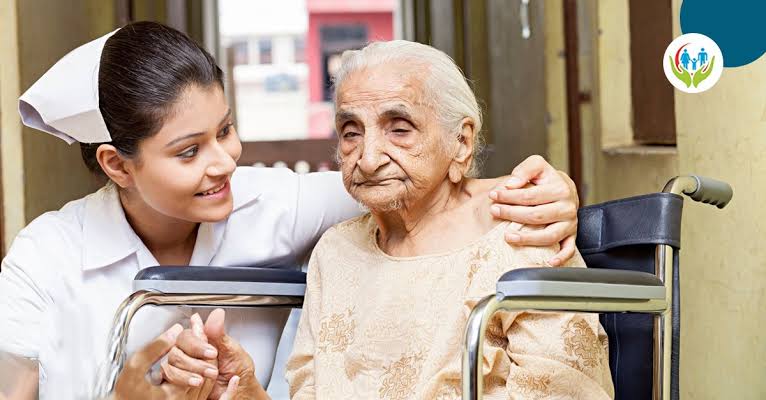
Home healthcare allows liver patients to receive medical attention, nursing care, rehabilitation, and personal assistance without leaving the comfort of their homes. Skilled nurses, caregivers, and physiotherapists work together to support recovery, improve quality of life, and reduce unnecessary hospital visits.
This article explains how home health careservices help liver patients in Lahore and why home care has become an important healthcare option.
Understanding Liver Disease
The liver performs hundreds of essential functions that keep the body healthy. When it becomes damaged, these functions may not work properly.
Liver disease can develop gradually or suddenly, depending on the cause.
Common liver conditions include:
- Fatty liver disease
- Hepatitis
- Liver cirrhosis
- Liver failure
- Liver cancer
- Alcohol-related liver disease
- Autoimmune liver disease
- Genetic liver disorders
Some liver conditions can be managed successfully with proper treatment, while others require long-term medical care.
Common Symptoms of Liver Disease
Liver disease affects people differently, but common symptoms include:
- Constant tiredness
- Weakness
- Loss of appetite
- Weight loss
- Nausea
- Swelling in the legs or abdomen
- Yellowing of the skin or eyes (jaundice)
- Easy bruising
- Confusion or memory problems in advanced disease
- Abdominal discomfort
Patients experiencing these symptoms should seek medical evaluation promptly.
Why Home Care Is Important for Liver Patients
Many liver diseases require continuous monitoring rather than prolonged hospitalization.
Professional home health careservices allow patients to receive quality care while remaining in familiar surroundings. Home care also helps reduce travel stress, especially for patients who become tired easily or have limited mobility.
Receiving care at home allows healthcare professionals to monitor the patient’s condition regularly while supporting recovery and comfort.
Benefits of Home Care
Home healthcare provides many advantages for liver patients.
Comfortable Environment
Patients often feel more relaxed and emotionally supported in their own homes.
A familiar environment may improve overall well-being during long-term treatment.
Personalized Care
Healthcare professionals create care plans based on the patient’s medical condition, treatment plan, and daily needs.
Reduced Hospital Visits
Many nursing procedures and health assessments can be safely performed at home, reducing unnecessary travel.
Family Involvement
Family members remain closely involved in the patient’s care and receive guidance from healthcare professionals.
Home Nursing Services
Qualified nurses play an important role in managing liver disease.
Home nursing services may include:
- Monitoring vital signs
- Medication management
- Injection administration if prescribed
- IV therapy when recommended by the treating doctor
- Health assessments
- Blood pressure monitoring
- Blood sugar monitoring when needed
- General patient observation
Regular nursing visits help identify changes in the patient’s condition early.
Medication Management
Many liver patients take medications regularly to manage their condition or its complications.
Home nurses help by:
- Following medication schedules
- Monitoring for possible side effects
- Encouraging medication adherence
- Reporting concerns to the treating doctor
Patients should always take medicines exactly as prescribed.
Nutritional Support
Good nutrition is an important part of liver care.
Healthcare professionals may encourage patients to:
- Eat balanced meals
- Maintain adequate hydration if appropriate
- Follow any dietary restrictions recommended by their doctor
- Eat smaller meals if advised
- Avoid foods or drinks restricted by their healthcare provider
A registered dietitian or doctor should provide individualized nutrition advice based on the patient’s liver condition.
Monitoring Overall Health
Professional home nurses regularly monitor the patient’s general condition.
This may include:
- Weight changes
- Fluid retention
- Swelling
- Appetite
- Energy levels
- General comfort
Any significant changes should be reported to the treating healthcare provider promptly.
Personal Care Assistance
Some liver patients become weak and require assistance with daily activities.
Professional caregivers help with:
- Bathing
- Dressing
- Grooming
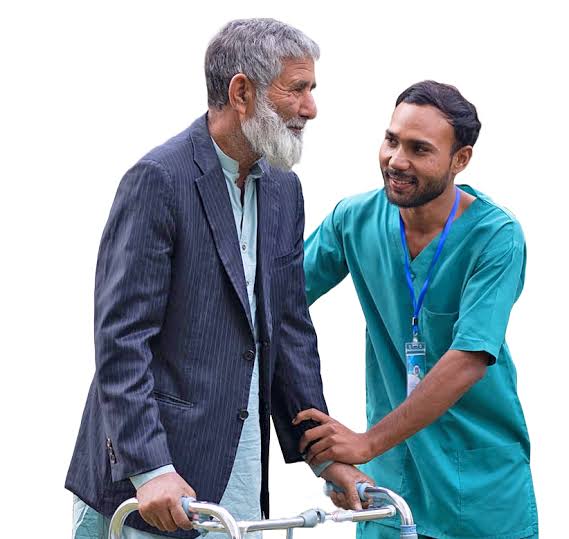
- Walking assistance
- Meal support
- Personal hygiene
- Safe mobility
These services improve comfort while maintaining patient dignity.
Physiotherapy at Home
Patients who experience weakness or reduced mobility may benefit from physiotherapy if recommended by their healthcare team.
Home physiotherapists may assist with:
- Gentle strengthening exercises
- Balance training
- Walking practice
- Flexibility exercises
- Mobility improvement
Exercise programs are adjusted according to the patient’s overall health and medical advice.
Managing Fatigue
Fatigue is common among people with liver disease.
Home caregivers help patients:
- Balance activity with rest
- Organize daily routines
- Avoid unnecessary physical strain
- Maintain safe movement around the home
Proper planning helps patients conserve energy while remaining as active as possible.
Preventing Falls
Weakness and dizziness can increase the risk of falls.
Healthcare professionals improve safety by:
- Assisting with walking
- Supervising transfers
- Recommending mobility aids when appropriate
- Removing household hazards
- Encouraging safe movement techniques
These measures help reduce injuries.
Emotional Support
Living with a long-term liver condition can be emotionally challenging.
Patients may experience:
- Anxiety
- Stress
- Depression
- Frustration
- Fear about their health
Professional caregivers provide companionship and emotional encouragement while helping patients stay connected with their families.
Home Safety Improvements
Creating a safe environment supports recovery.
Healthcare providers may recommend:
- Better lighting
- Removing loose rugs
- Installing grab bars if needed
- Keeping walkways clear
- Using non-slip mats
Simple home modifications make everyday movement safer.
Family Education
Family members play an essential role in liver care.
Healthcare professionals educate families about:
- Medication schedules
- Nutrition guidance
- Safe patient assistance
- Hygiene practices
- Recognizing warning signs
- Follow-up appointments
- Emergency response
This education helps families provide effective daily support.
Regular Medical Follow-Up
Home healthcare supports—but does not replace—regular medical care.
Liver patients should continue attending scheduled appointments with their doctor and complete recommended blood tests, imaging, or other investigations. Home nurses can help coordinate care and monitor the patient’s condition between medical visits.
Choosing a Reliable Home Healthcare Provider
Selecting the right provider is essential for quality care.
Look for a provider that offers:
- Qualified nurses
- Experienced caregivers
- Licensed physiotherapists
- Personalized care plans
- Flexible scheduling
- Emergency support
- Good communication
- Positive patient reviews
Professional care improves patient safety and overall comfort.
Why Home Healthcare Is Growing in Lahore
The demand for home health careservices continues to grow because more families recognize the benefits of receiving medical care at home. Patients with chronic illnesses, including liver disease, can now receive nursing care, rehabilitation, and personal assistance without unnecessary hospital stays.
Home healthcare combines medical expertise with the comfort of familiar surroundings, making long-term care more convenient for patients and families.
Conclusion
Liver disease often requires continuous medical care, lifestyle adjustments, and regular monitoring. Professional home health careservices provide liver patients in Lahore, Pakistan with skilled nursing, medication support, personal care, physiotherapy when appropriate, and ongoing health monitoring while allowing them to remain in the comfort of their own homes.
Home care improves convenience, promotes comfort, reduces unnecessary hospital visits, and supports both patients and their families throughout the treatment journey. By choosing an experienced home healthcare provider, liver patients can receive compassionate, personalized, and professional care that helps improve their quality of life while supporting their long-term health.