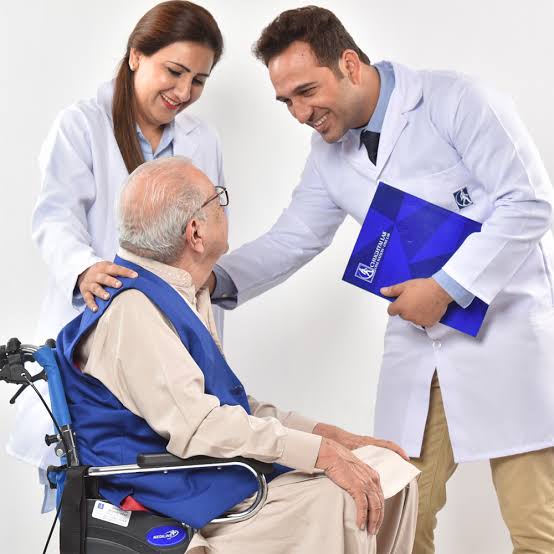

Home Care Services for Epilepsy Patients in Lahore
Home Care Services for Epilepsy Patients in Lahore
Epilepsy is a neurological condition that causes recurring seizures due to abnormal electrical activity in the brain. Although epilepsy can affect people of any age, many individuals can lead healthy and active lives with proper diagnosis, medication, and ongoing medical care. Professional home health careservices in Lahore, Pakistan, provide personalized support that helps epilepsy patients manage their condition safely while remaining in the comfort of their homes.
Home healthcare is especially beneficial for children, older adults, people with frequent seizures, and patients who need assistance with daily activities or medication management. Skilled nurses, caregivers, and rehabilitation professionals work together with the patient’s doctor to improve safety, reduce complications, and enhance quality of life.
Understanding Epilepsy
Epilepsy is a chronic neurological disorder characterized by repeated, unprovoked seizures. Seizures can range from brief periods of staring or muscle jerks to full-body convulsions and temporary loss of consciousness. According to the World Health Organization, around 70% of people with epilepsy could become seizure-free with appropriate diagnosis and treatment.
Common symptoms include:
- Recurrent seizures
- Temporary confusion
- Staring spells
- Loss of consciousness
- Muscle stiffness
- Uncontrolled body movements
- Sudden falls
- Temporary changes in awareness
The severity and frequency of seizures vary from one person to another.
Why Home Care Is Important for Epilepsy Patients
Many people with epilepsy do not require long-term hospitalization but benefit from regular monitoring and professional support at home.
Professional home health careservices help by providing:
- Skilled nursing care
- Medication management
- Health monitoring
- Personal care assistance
- Rehabilitation support
- Family education
- Emergency preparedness
- Emotional support
Receiving care at home allows patients to remain in a familiar and less stressful environment.
Benefits of Home Health Care
Home healthcare provides several advantages for epilepsy patients.
Personalized Care
Every epilepsy patient has unique medical needs.
Home healthcare professionals create individualized care plans based on:
- Age
- Type of seizures
- Medical history
- Medication schedule
- Daily routine
- Doctor’s recommendations
Comfortable Environment
Recovering and living at home often helps reduce stress and provides emotional comfort for both patients and families.
Family Involvement
Family members receive guidance on how to support the patient safely during everyday life and seizure episodes.
Skilled Nursing Care
Professional nurses play an important role in epilepsy management.
They may provide:
- Vital sign monitoring
- Medication administration
- Health assessments
- Observation of seizure patterns
- Recovery monitoring after seizures
- Coordination with the treating physician
Regular nursing visits help identify concerns early and support ongoing treatment.
Medication Management
Taking anti-seizure medication exactly as prescribed is one of the most important parts of epilepsy treatment.
Home healthcare professionals assist by:
- Organizing medications
- Providing medication reminders
- Monitoring for side effects
- Recording medication schedules
- Reporting concerns to the doctor
Stopping or missing medication without medical advice may increase the risk of seizures.
Monitoring Seizure Activity
Keeping track of seizure activity helps doctors evaluate treatment effectiveness.
Healthcare professionals may record:
- Date and time of seizures
- Duration
- Symptoms before the seizure
- Type of movements
- Recovery time
- Possible triggers
Accurate records can help guide future treatment decisions.
Creating a Safe Home Environment
A safe environment helps reduce the risk of injury during a seizure.
Recommended safety measures include:
- Removing sharp objects from living areas
- Keeping walkways clear
- Using non-slip flooring
- Padding sharp furniture corners if needed
- Installing grab bars in bathrooms
- Supervising activities that involve water when appropriate
These simple adjustments can improve patient safety.
Personal Care Assistance
Some epilepsy patients require help with everyday activities.
Professional caregivers may assist with:
- Bathing
- Dressing
- Grooming
- Feeding
- Toileting
- Walking assistance
- Mobility support
Care is provided respectfully while encouraging as much independence as possible.
Nutrition and Healthy Living
A healthy lifestyle supports overall well-being.
Healthcare professionals encourage:
- Balanced meals
- Regular hydration
- Adequate sleep
- Regular physical activity approved by the doctor
- Avoiding known seizure triggers
Healthy habits can support better long-term seizure management.
Identifying Seizure Triggers
Some people have factors that increase the likelihood of seizures.
Possible triggers include:
- Missing medications
- Lack of sleep
- High stress
- Fever or illness
- Alcohol in some individuals
- Flashing lights for a small number of people with photosensitive epilepsy
Patients should discuss their personal triggers with their healthcare provider.
Seizure First Aid
Family members and caregivers should know basic seizure first aid.
During most seizures they should:
- Stay calm
- Protect the patient from injury
- Remove nearby dangerous objects
- Gently turn the person onto their side after the seizure if possible
- Time the seizure
- Avoid placing anything in the person’s mouth
- Stay with the patient until they have fully recovered
Emergency medical help should be sought if a seizure lasts unusually long, repeated seizures occur without recovery between them, breathing does not return to normal, or the person is seriously injured. Proper seizure first aid can help reduce complications.
Physiotherapy and Rehabilitation
Some epilepsy patients may also have balance or mobility problems.
Physiotherapists can help improve:
- Strength
- Balance
- Coordination
- Walking ability
- Physical endurance
Exercise programs are always tailored to the patient’s abilities and medical condition.
Emotional Support
Living with epilepsy can sometimes lead to anxiety, depression, or social isolation.
Professional caregivers provide:
- Encouragement
- Companionship
- Emotional reassurance
- Support for families
Emotional well-being is an important part of comprehensive epilepsy care.
Education for Family Members
Families play an essential role in epilepsy management.
Healthcare professionals teach caregivers about:
- Medication schedules
- Seizure first aid
- Home safety
- Recognizing warning signs
- Emergency planning
- Lifestyle recommendations
Proper education helps families respond with confidence.
Monitoring Overall Health
Regular assessments help detect changes that may affect seizure control.
Healthcare professionals monitor:
- General health
- Sleep quality
- Medication adherence
- Nutrition
- Frequency of seizures
- Recovery after seizure episodes
Routine monitoring supports better long-term management.
Customized Home Care Plans
Every patient has different healthcare needs.
Professional home health careservices create personalized care plans based on:
- Age
- Type of epilepsy
- Frequency of seizures
- Medical history
- Mobility
- Daily living needs
- Doctor’s recommendations
Care plans are reviewed and updated as the patient’s condition changes.
Choosing the Right Home Healthcare Provider
When selecting a provider in Lahore, families should consider:
- Qualified nurses
- Experienced caregivers
- Emergency support availability
- Personalized care plans
- Good communication with doctors
- Transparent pricing
- Positive patient reviews
Choosing an experienced provider improves both safety and quality of care.
The Growing Need for Epilepsy Home Care in Lahore
As awareness of neurological conditions increases, more families in Lahore are choosing home health careservices for epilepsy management. Home-based nursing, medication supervision, caregiver education, and safety planning help patients receive consistent support while reducing unnecessary hospital visits. International health organizations also emphasize person-centered care, access to treatment, and reducing stigma so people with epilepsy can live healthier and more independent lives.
Conclusion
Professional home health careservices for epilepsy patients in Lahore provide compassionate and comprehensive support that helps individuals manage seizures safely while improving their quality of life. Through skilled nursing, medication management, seizure monitoring, rehabilitation, home safety planning, and family education, home healthcare enables patients to receive high-quality care in a familiar environment.
For families in Lahore, home-based epilepsy care offers reassurance that their loved ones are receiving professional medical attention while remaining close to the people who matter most. With personalized care plans and experienced healthcare professionals, epilepsy patients can live more confidently, safely, and independently while working toward better long-term seizure control.