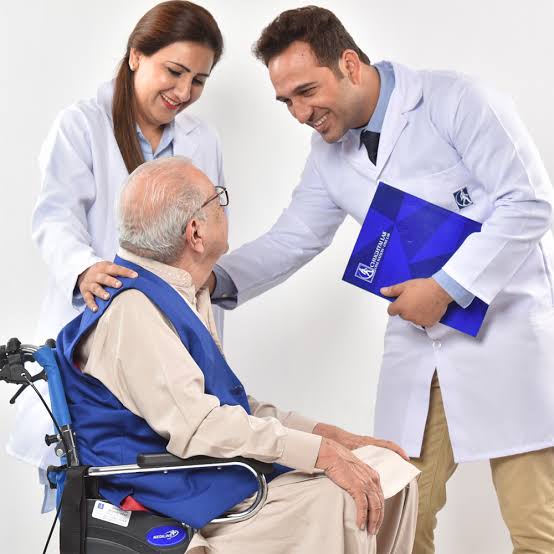

Home Care Services for Disabled Patients in Lahore
Home Care Services for Disabled Patients in Lahore
Living with a disability can make daily life more challenging, not only for the individual but also for their family members. Many disabled patients need ongoing medical care, personal assistance, mobility support, and emotional encouragement. Traveling to hospitals or clinics for regular care can be difficult, especially for people with physical disabilities or long-term health conditions. This is why professional home health careservices have become an essential solution for families in Lahore, Pakistan.
Home care services allow disabled patients to receive compassionate, personalized healthcare in the comfort of their own homes. Whether a person has a physical disability, neurological condition, developmental disorder, or temporary disability after an accident, trained caregivers and nurses can provide the support needed to improve their quality of life while promoting greater independence.
This article explains how home care services help disabled patients in Lahore, the types of care available, and why more families are choosing professional home healthcare.
Understanding Home Care for Disabled Patients
Home care services for disabled patients are designed to provide medical and personal support without requiring the patient to stay in a hospital or rehabilitation center. These services are customized according to each patient’s condition, age, mobility, and healthcare needs.
The main goal is to help disabled individuals live safely, comfortably, and as independently as possible while receiving professional care at home.
Who Can Benefit from Home Care Services?
Professional home healthcare can benefit patients with many different conditions, including:
- Physical disabilities
- Paralysis
- Stroke recovery
- Cerebral palsy
- Multiple sclerosis
- Muscular dystrophy
- Spinal cord injuries
- Parkinson’s disease
- Amputations
- Developmental disabilities
- Neurological disorders
- Long-term mobility limitations
- Severe arthritis
- Accident-related disabilities
Every patient has unique needs, so care plans are personalized to provide the right level of assistance.
Why Home Care Is Important for Disabled Patients
Disabled individuals often require daily assistance with activities that healthy people perform independently. Family members may not always have the time, experience, or medical knowledge to provide complete care.
Professional home caregivers help reduce this burden while ensuring patients receive safe, high-quality support.
Home care offers several important advantages:
- Familiar and comfortable surroundings
- Reduced hospital visits
- Personalized attention
- Better emotional well-being
- Increased independence
- Improved safety
- Lower risk of hospital-acquired infections
- Greater family involvement
Receiving care at home often leads to a more relaxed and positive recovery environment.
Personal Care Assistance
Many disabled patients require help with basic daily activities.
Professional caregivers assist with:
- Bathing
- Dressing
- Grooming
- Oral hygiene
- Toileting
- Feeding
- Mobility assistance
- Bed positioning
- Skin care
These daily services help patients maintain dignity, comfort, and good personal hygiene.
Skilled Nursing Care at Home
Some disabled patients require regular medical care that can only be provided by trained nurses.
Home nursing services may include:
- Medication administration
- Injection services
- IV therapy
- Blood pressure monitoring
- Blood sugar testing
- Wound care
- Catheter management
- Tube feeding
- Tracheostomy care
- Oxygen therapy monitoring
Professional nurses closely observe patients and quickly identify any changes in their health.
Mobility Support
Limited mobility is one of the biggest challenges faced by disabled patients.
Home caregivers help with:
- Safe walking assistance
- Wheelchair transfers
- Bed-to-chair movement
- Fall prevention
- Exercise support
- Range-of-motion activities
- Position changes to prevent bedsores
Proper mobility assistance reduces the risk of injuries and improves overall comfort.
Physiotherapy at Home
Many disabled patients benefit from regular physiotherapy sessions.
Home physiotherapists help improve:
- Muscle strength
- Joint flexibility
- Balance
- Coordination
- Walking ability
- Pain management
- Functional independence
Regular rehabilitation can significantly improve mobility and help patients regain confidence in daily activities.
Occupational Therapy
Occupational therapists teach disabled patients how to perform daily tasks more independently.
They help patients learn safe techniques for:
- Eating
- Dressing
- Cooking
- Writing
- Personal hygiene
- Using assistive devices
Occupational therapy also recommends home modifications that improve safety and accessibility.
Speech and Communication Therapy
Some neurological disabilities affect speech and swallowing.
Speech therapists provide exercises that improve:
- Speech clarity
- Communication skills
- Swallowing ability
- Cognitive communication
Early therapy often leads to better long-term outcomes.
Emotional and Psychological Support
Living with a disability can sometimes lead to feelings of frustration, anxiety, or depression.
Professional caregivers provide emotional encouragement through:
- Friendly companionship
- Positive communication
- Social interaction
- Mental stimulation
- Recreational activities
Families also benefit from reduced caregiver stress and greater peace of mind.
Nutrition and Meal Assistance
Healthy nutrition plays an important role in maintaining strength and supporting recovery.
Home caregivers assist with:
- Meal preparation
- Feeding assistance
- Hydration monitoring
- Special diet planning
- Diabetic meal support
Proper nutrition helps prevent complications and promotes better health.
Medication Management
Many disabled patients take several medications each day.
Professional caregivers help by:
- Organizing medicines
- Giving medications on time
- Monitoring side effects
- Maintaining medication records
- Communicating with healthcare providers
Correct medication management reduces the risk of missed doses or medication errors.
Medical Equipment Support
Modern home healthcare providers also assist patients using medical equipment.
Common equipment includes:
- Wheelchairs
- Hospital beds
- Patient lifts
- Oxygen concentrators
- Suction machines
- Nebulizers
- Pressure-relief mattresses
- Walkers
- Crutches
Caregivers teach families how to use this equipment safely and correctly.
Safety Improvements at Home
A safe home environment reduces accidents and makes daily life easier for disabled individuals.
Healthcare professionals may recommend:
- Grab bars in bathrooms
- Non-slip flooring
- Wheelchair ramps
- Proper lighting
- Handrails
- Wider doorways
- Adjustable beds
- Easy-access furniture
These simple modifications improve both comfort and independence.
Support for Family Caregivers
Family members often dedicate many hours to caring for disabled loved ones.
Home care services provide valuable support by:
- Giving family caregivers time to rest
- Reducing physical strain
- Offering professional medical guidance
- Assisting with difficult caregiving tasks
- Providing temporary or full-time care
This balance helps families continue providing emotional support without becoming overwhelmed.
Customized Care Plans
Every disabled patient has different healthcare needs.
Professional home healthcare providers create personalized care plans based on:
- Medical condition
- Physical abilities
- Mobility level
- Personal preferences
- Doctor’s recommendations
- Daily routine
- Family involvement
Care plans are regularly updated as the patient’s condition changes.
Conditions Commonly Managed at Home
Home healthcare professionals regularly care for patients with:
- Stroke-related disabilities
- Paralysis
- Parkinson’s disease
- Multiple sclerosis
- Spinal cord injuries
- Cerebral palsy
- Muscular disorders
- Orthopedic disabilities
- Traumatic brain injuries
- Age-related mobility problems
Specialized care helps improve daily functioning and overall well-being.
Benefits of Professional Home Care Services
Choosing professional home healthcare offers numerous benefits.
These include:
- One-on-one personalized care
- Faster recovery in familiar surroundings
- Reduced hospital admissions
- Better infection prevention
- Flexible care schedules
- Improved physical comfort
- Increased emotional well-being
- Better communication with families
- Enhanced independence
- Higher quality of life
These advantages make home healthcare an increasingly popular choice in Lahore.
Choosing the Right Home Healthcare Provider
When selecting a home care provider for a disabled patient, families should look for:
- Qualified nurses and caregivers
- Experience caring for disabled patients
- Background-verified staff
- Emergency support availability
- Customized care plans
- Transparent pricing
- Positive patient reviews
- Good communication with families
- Proper infection control practices
A trusted provider ensures that patients receive compassionate and professional care.
The Growing Demand for Home Care in Lahore
The demand for home health careservices continues to grow in Lahore because more families recognize the benefits of receiving professional care at home. Advances in medical equipment, rehabilitation techniques, and skilled nursing have made it possible to manage many complex health conditions without extended hospital stays.
As awareness increases, home healthcare is becoming an important part of disability care, helping patients maintain dignity, independence, and better overall health.
Conclusion
Professional home health careservices for disabled patients in Lahore provide compassionate, personalized, and reliable support that improves both health and quality of life. From skilled nursing and physiotherapy to personal care, mobility assistance, and emotional support, home healthcare allows disabled individuals to receive expert care in the comfort and safety of their own homes.
For families in Lahore, choosing professional home care means giving their loved ones the opportunity to live with greater comfort, confidence, and independence while receiving the medical attention they need. As healthcare continues to evolve, home care services will remain one of the most effective and patient-centered solutions for disabled individuals across Lahore.