
Home Care for Parkinson’s Patients in Lahore
Home Care for Parkinson’s Patients in Lahore
Parkinson’s disease is a progressive neurological disorder that affects movement, balance, and coordination. As the condition advances, everyday activities such as walking, eating, dressing, and speaking may become increasingly difficult. While there is currently no cure for Parkinson’s disease, proper medical care, rehabilitation, and family support can help patients maintain a better quality of life. Many families in Lahore now choose home health careservices because they provide professional medical care and personal assistance in the comfort of the patient’s home.
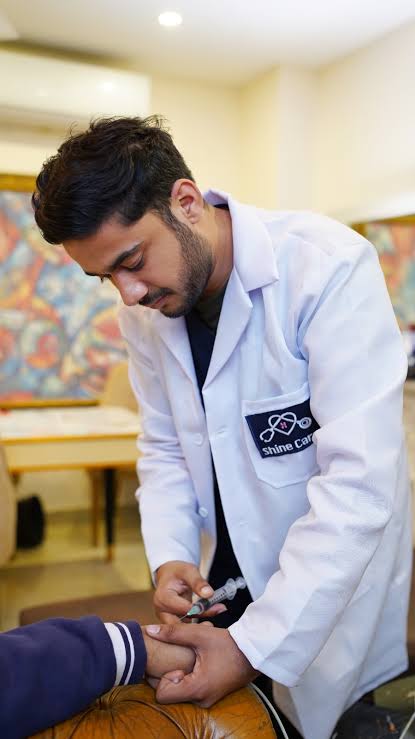
Home healthcare allows Parkinson’s patients to receive personalized treatment without the stress of frequent hospital visits. Skilled nurses, caregivers, physiotherapists, and other healthcare professionals work together to manage symptoms, improve mobility, and support daily living. Receiving care at home also helps patients stay in a familiar environment, which can reduce anxiety and improve emotional well-being.
This article explains how home health careservices help Parkinson’s patients in Lahore, Pakistan, and why home care has become an important part of long-term disease management.
Understanding Parkinson’s Disease
Parkinson’s disease is a disorder of the nervous system that mainly affects movement. It develops when certain brain cells that produce dopamine gradually stop functioning properly. Dopamine helps control smooth and coordinated body movements. As dopamine levels decrease, movement becomes slower and less controlled.
Parkinson’s disease usually develops gradually, and symptoms often worsen over time. Although it is more common in older adults, younger people can also develop the condition.
Early diagnosis and ongoing medical care can help manage symptoms and improve daily functioning.
Common Symptoms of Parkinson’s Disease
Symptoms vary from one patient to another, but common signs include:
- Tremors or shaking of the hands
- Slow movement
- Muscle stiffness
- Difficulty walking
- Poor balance
- Small handwriting
- Soft speech
- Difficulty swallowing
- Fatigue
- Changes in facial expression
- Trouble performing daily activities
As the disease progresses, patients may require increasing levels of support from healthcare professionals and family members.
Why Home Care Is Important
Parkinson’s disease often requires long-term care rather than short-term treatment. Frequent hospital visits can become tiring, especially for patients with mobility problems.
Professional home health careservices allow patients to receive continuous medical care while remaining in their own homes. This approach offers comfort, convenience, and personalized attention that supports both physical and emotional health.
Benefits of Home Care for Parkinson’s Patients
Home healthcare offers several important benefits.
Comfortable Environment
Patients often feel calmer and more secure in familiar surroundings.
A comfortable home environment may reduce stress and support emotional well-being.
Personalized Care
Healthcare professionals create individualized care plans based on each patient’s symptoms, abilities, and medical needs.
Reduced Hospital Visits
Many nursing procedures, rehabilitation sessions, and health assessments can be performed at home, reducing the need for unnecessary travel.
Family Involvement
Family members can remain closely involved in daily care while receiving guidance from healthcare professionals.
Home Nursing Services
Professional nurses play a vital role in caring for Parkinson’s patients.
Home nursing services may include:
- Medication management
- Blood pressure monitoring
- Health assessments
- Injection administration
- Feeding assistance
- Catheter care when required
- Wound care if needed
- Monitoring changes in health
Regular nursing visits help ensure that treatment plans are followed correctly.
Medication Management
Parkinson’s medications often need to be taken at specific times to control symptoms effectively.
Home nurses help patients by:
- Following medication schedules
- Monitoring treatment response
- Observing possible side effects
- Reporting concerns to the treating doctor
Proper medication management helps maintain symptom control throughout the day.
Physiotherapy at Home
Physiotherapy is one of the most important parts of Parkinson’s care.
Home physiotherapists develop exercise programs that help improve:
- Balance
- Walking ability
- Muscle strength
- Flexibility
- Coordination
- Posture
Regular physiotherapy may reduce stiffness and improve overall mobility.
Mobility Assistance
Walking difficulties increase as Parkinson’s disease progresses.
Professional caregivers assist with:
- Safe walking
- Using walkers
- Wheelchair transfers
- Standing support
- Fall prevention
- Stair assistance
These services help patients move safely while reducing the risk of injuries.
Assistance with Daily Activities
Many Parkinson’s patients eventually require help with routine tasks.
Caregivers may assist with:
- Bathing
- Dressing
- Grooming
- Eating
- Toileting
- Oral hygiene
- Changing clothes
Providing respectful assistance helps patients maintain dignity and comfort.
Speech and Swallowing Support
Some people with Parkinson’s develop speech and swallowing difficulties.
When recommended by the healthcare team, speech therapists can provide exercises that may help improve communication and swallowing function. Caregivers also encourage safe eating practices and follow the advice of the patient’s doctor or speech-language therapist.
Nutrition and Hydration
A healthy diet supports overall well-being and may help patients maintain strength and energy.
Caregivers assist with:
- Meal preparation
- Feeding support
- Hydration reminders
- Monitoring food intake
Any specific dietary recommendations should be followed according to the patient’s doctor or dietitian.
Emotional Support
Living with Parkinson’s disease can be emotionally challenging.
Patients may experience:
- Anxiety
- Depression
- Frustration
- Loss of confidence
- Social isolation
Professional caregivers provide companionship and emotional encouragement while helping patients stay engaged in daily life.
Preventing Falls
Balance problems increase the risk of falls.
Home healthcare professionals help reduce this risk by:
- Supervising walking
- Teaching safe movement techniques
- Recommending mobility aids
- Identifying household hazards
- Encouraging balance exercises
Simple home modifications can make movement much safer.
Home Safety Improvements
Creating a safe environment is an important part of Parkinson’s care.
Healthcare providers may recommend:
- Installing grab bars
- Removing loose rugs
- Improving lighting
- Using non-slip flooring
- Rearranging furniture
- Keeping walkways clear
These changes help reduce accidents and improve confidence while moving around the home.
Rehabilitation Services
Home rehabilitation focuses on helping patients remain as independent as possible.
Depending on individual needs, rehabilitation may include:
- Walking practice
- Balance exercises
- Stretching
- Strength training
- Functional movement exercises
Regular rehabilitation helps maintain physical abilities for as long as possible.
Monitoring Disease Progress
Parkinson’s disease changes gradually over time.
Healthcare professionals regularly monitor:
- Mobility
- Balance
- Medication effectiveness
- Nutrition
- Overall health
- Daily functioning
Any significant changes are communicated to the treating doctor so the care plan can be adjusted when needed.
Family Education
Family members are an essential part of long-term Parkinson’s care.
Home healthcare professionals educate families about:
- Safe patient transfers
- Medication schedules
- Exercise routines
- Fall prevention
- Nutrition
- Recognizing changes in symptoms
- Daily caregiving techniques
This education improves patient safety while giving families greater confidence.
Choosing the Right Home Healthcare Provider
When selecting a home healthcare provider in Lahore, families should consider:
- Qualified nurses
- Experienced caregivers
- Licensed physiotherapists
- Personalized care plans
- Flexible home visits
- Emergency support
- Good communication
- Positive patient reviews
Choosing an experienced provider ensures safe and compassionate care.
Why Home Healthcare Is Growing in Lahore
The demand for home health careservices continues to grow because more families recognize the benefits of receiving professional care at home. Modern medical equipment, skilled healthcare professionals, and personalized treatment plans now allow many patients with Parkinson’s disease to receive high-quality care without leaving their homes.
Home healthcare reduces unnecessary hospital visits while improving comfort, convenience, and quality of life.
Conclusion
Parkinson’s disease is a lifelong condition that requires ongoing medical care, rehabilitation, and emotional support. Professional home health careservices provide Parkinson’s patients in Lahore, Pakistan with personalized nursing, physiotherapy, mobility assistance, and daily caregiving while allowing them to remain in familiar surroundings.
Home care promotes safety, independence, and dignity by helping patients manage symptoms and maintain their quality of life. With experienced healthcare professionals and supportive family involvement, individuals living with Parkinson’s disease can continue to receive compassionate, reliable, and high-quality care in the place where they feel most comfortable—their own home.