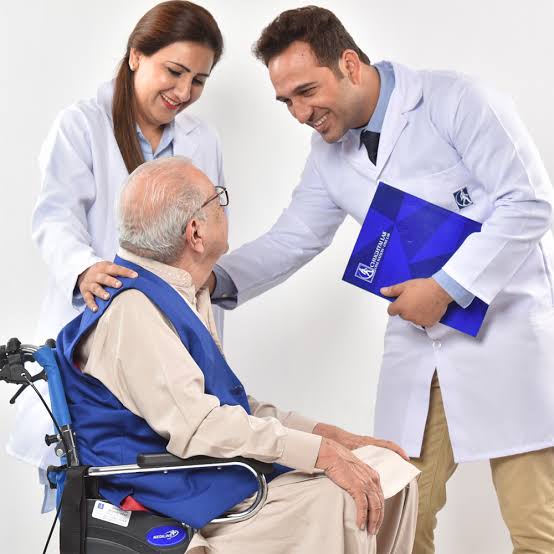

Home Care for Orthopedic Patients in Lahore
Home Care for Orthopedic Patients in Lahore
Orthopedic conditions affect the bones, joints, muscles, ligaments, and tendons that help us move and perform daily activities. Whether a person is recovering from a fracture, joint replacement surgery, sports injury, or living with chronic conditions like arthritis, proper care is essential for a smooth recovery. Traveling to hospitals for regular checkups and therapy sessions can be painful and inconvenient, especially for patients with limited mobility. This is why many families now choose home health care services in Lahore to provide professional orthopedic care in the comfort of their homes.
Home healthcare allows patients to recover in a familiar and stress-free environment while receiving medical attention from qualified doctors, nurses, physiotherapists, and caregivers. Personalized treatment plans, regular monitoring, and one-on-one support help improve recovery while reducing the risk of complications. Families also gain peace of mind knowing their loved ones are receiving professional care without the need for frequent hospital visits.
Understanding Orthopedic Conditions
Orthopedic problems can occur due to aging, accidents, sports injuries, or long-term medical conditions. Some patients require short-term care after surgery or fractures, while others need ongoing support for chronic conditions that affect mobility and independence.
Common orthopedic conditions include:
- Bone fractures
- Hip replacement recovery
- Knee replacement recovery
- Arthritis
- Osteoporosis
- Back pain
- Neck pain
- Sports injuries
- Ligament injuries
- Shoulder injuries
- Joint dislocations
- Spinal conditions
- Muscle injuries
Each condition requires a different approach to treatment, but all benefit from consistent medical supervision and rehabilitation.
Why Choose Home Care for Orthopedic Patients?
Recovering at home offers several advantages over repeated hospital visits. Patients remain in familiar surroundings where they feel comfortable and relaxed, which can positively influence both physical and emotional recovery.
One of the biggest benefits of home health care services is convenience. Patients recovering from surgery or serious injuries often experience pain when traveling. Home visits eliminate transportation challenges while ensuring that treatment continues without interruption.
Home care also provides personalized attention. Healthcare professionals can monitor recovery closely, assess the patient’s living environment, and recommend changes that improve safety and mobility. Individual care plans are developed according to the patient’s age, medical condition, and recovery goals.
Another advantage is reducing the risk of hospital-acquired infections. Recovering at home minimizes unnecessary exposure to crowded healthcare facilities, which is especially important for elderly patients and those with weakened immune systems.
Services Included in Orthopedic Home Care
Professional home healthcare providers in Lahore offer comprehensive services to support orthopedic patients throughout their recovery journey.
These services may include:
- Doctor home visits
- Home nursing care
- Physiotherapy sessions
- Pain management
- Medication administration
- Wound dressing
- Injection services
- Mobility assistance
- Walking support
- Exercise supervision
- Vital sign monitoring
- Medical equipment guidance
- Caregiver assistance
- Recovery progress monitoring
The combination of these services allows patients to recover safely while remaining at home with their families.
The Importance of Doctor Home Visits
Regular medical evaluations play an important role in orthopedic recovery. Through home health care services, qualified doctors visit patients at home to assess healing, review medications, monitor pain levels, and identify any complications early.
Doctors also evaluate movement, swelling, wound healing, and overall recovery after surgery or injury. If additional investigations such as X-rays or laboratory tests are required, they guide patients on the next steps and adjust treatment plans accordingly.
Home visits are particularly helpful for elderly patients and individuals who cannot travel comfortably because of limited mobility.
Nursing Care During Recovery
Orthopedic patients often require skilled nursing support, particularly during the first few weeks after surgery or injury.
Home nurses assist with medication administration, injections, wound dressing, catheter care when required, blood pressure monitoring, blood sugar checks, and overall health observation. They also educate patients and family members about proper wound care, hygiene, and infection prevention.
Regular nursing visits help identify problems such as swelling, redness, fever, or delayed wound healing before they become serious.
The Role of Physiotherapy
Physiotherapy is one of the most important parts of orthopedic recovery. After fractures or joint replacement surgery, muscles become weak and joints become stiff if they are not exercised properly.
Professional physiotherapists develop personalized rehabilitation programs that gradually improve flexibility, strength, balance, and mobility. Exercises are introduced according to the patient’s condition and recovery stage, ensuring that progress is made safely without placing excessive strain on healing tissues.
Receiving physiotherapy at home is particularly beneficial because exercises can be adapted to the patient’s actual living environment. Therapists also teach family members how to assist with safe movement between sessions.
Managing Pain at Home
Pain management is essential for successful orthopedic recovery. Patients recovering from surgery or injuries often experience discomfort that can interfere with movement and rehabilitation.
Doctors prescribe suitable pain medications based on the patient’s condition while nurses monitor their effectiveness and watch for side effects. Physiotherapy, gentle exercises, proper positioning, and the use of cold or heat therapy may also help reduce pain naturally.
Managing pain effectively allows patients to participate more comfortably in rehabilitation, leading to faster recovery and better long-term results.