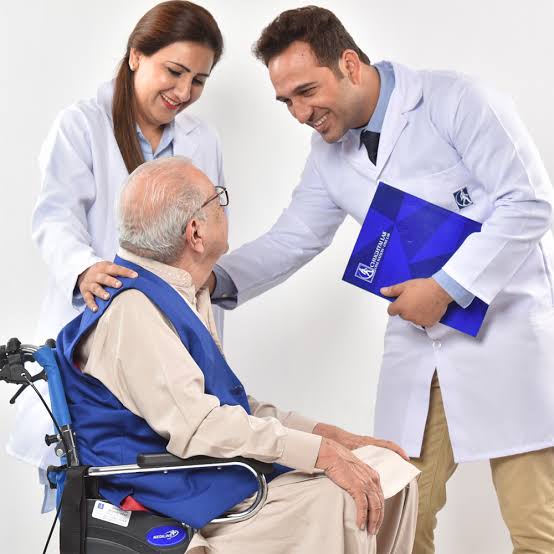

Home Care for Lifestyle and Obesity-Related Conditions in Lahore
Home Care for Lifestyle and Obesity-Related Conditions in Lahore
Modern lifestyles have changed the way people live, work, and eat. Long working hours, unhealthy diets, lack of physical activity, stress, and insufficient sleep have contributed to a growing number of lifestyle-related health conditions. Obesity has become one of the leading health concerns because it increases the risk of serious diseases such as type 2 diabetes, high blood pressure, heart disease, stroke, sleep apnea, and joint problems. The World Health Organization (WHO) recognizes obesity as a chronic disease that requires long-term management through healthy eating, regular physical activity, behavioral support, and medical care.
For many individuals, managing these conditions at home is more comfortable and convenient than making frequent hospital visits. Professional home health careservices in Lahore provide personalized support that helps patients improve their health while remaining in a familiar environment. From monitoring vital signs to assisting with mobility, medication management, and healthy lifestyle habits, home care plays an important role in improving quality of life.
Understanding Lifestyle and Obesity-Related Conditions
Lifestyle-related conditions develop gradually because of unhealthy daily habits. Poor eating patterns, physical inactivity, smoking, excessive stress, and lack of proper sleep can all contribute to long-term health problems. Obesity occurs when excess body fat increases the risk of disease, and it is linked with numerous chronic conditions. According to the WHO, maintaining a healthy diet, staying physically active, and receiving appropriate medical support are key parts of prevention and treatment.
Common conditions associated with obesity include diabetes, hypertension, heart disease, fatty liver disease, arthritis, breathing difficulties, and reduced mobility. These illnesses often require ongoing medical supervision, making home healthcare an excellent option for many patients.
Benefits of Home Care for Obesity-Related Conditions
Home healthcare allows patients to receive professional medical support without leaving their homes. Regular visits from trained caregivers help patients follow treatment plans, monitor their health, and develop healthier daily routines.
Caregivers assist with medication reminders, blood pressure monitoring, blood sugar checks, weight tracking, and mobility support. This continuous care reduces complications while encouraging patients to stay committed to their health goals.
Personalized Care Plans
Every patient has different healthcare needs. Some individuals require assistance after bariatric surgery, while others need long-term support for diabetes or cardiovascular disease. Professional caregivers work with patients and their doctors to create personalized care plans that match their medical condition, age, mobility level, and recovery goals.
These customized plans may include nutritional guidance, exercise assistance, medication management, and regular health monitoring to improve long-term outcomes.
Healthy Nutrition Support
Healthy eating is one of the most important parts of obesity management. Home caregivers encourage balanced meals that include vegetables, fruits, whole grains, lean proteins, and healthy fats while reducing sugary drinks, processed foods, and excessive salt intake. The WHO recommends limiting foods high in fats and sugars while increasing the consumption of fruits, vegetables, legumes, whole grains, and nuts.
Caregivers can also help patients maintain regular meal schedules, monitor portion sizes, and ensure adequate hydration throughout the day.
Physical Activity at Home
Exercise is an essential part of managing obesity and lifestyle diseases. However, many patients struggle with mobility issues, arthritis, or chronic pain. Home healthcare professionals assist patients with safe exercises that match their abilities.
Activities may include gentle stretching, walking inside the home, chair exercises, breathing exercises, balance training, and physiotherapy. The WHO recommends adults perform at least 150–300 minutes of moderate physical activity each week for substantial health benefits.
Regular Health Monitoring
Lifestyle diseases require continuous monitoring to prevent complications. Home healthcare providers regularly check:
- Blood pressure
- Blood sugar levels
- Heart rate
- Oxygen saturation
- Body weight
- Temperature
Early detection of abnormal readings allows timely medical intervention and helps prevent emergencies.
Medication Management
Many patients living with obesity-related conditions take multiple medications every day. Missing doses or taking medicines incorrectly can lead to serious health complications.
Professional caregivers help organize medications, provide reminders, monitor side effects, and ensure prescriptions are followed correctly according to the doctor’s instructions.
Managing Diabetes at Home
Obesity is one of the major risk factors for type 2 diabetes. Home healthcare services support diabetic patients by monitoring blood glucose levels, encouraging healthy eating habits, assisting with insulin administration if prescribed, and educating families about diabetes management.
Proper blood sugar control reduces the risk of kidney disease, nerve damage, vision problems, and cardiovascular complications.
Blood Pressure Management
Hypertension often develops alongside obesity. Regular blood pressure monitoring allows caregivers to identify concerning changes before they become emergencies. Patients are also encouraged to reduce sodium intake, stay physically active, manage stress, and follow prescribed treatment plans.
Heart Health Support
Individuals with obesity have a greater risk of heart disease and stroke. Home healthcare helps patients maintain heart health through medication compliance, healthy lifestyle education, light physical activity, and regular monitoring of cardiovascular health.
Caregivers also watch for warning signs such as chest pain, swelling, breathing difficulties, or sudden weakness and encourage immediate medical attention when needed.
Mobility Assistance
Excess body weight can make movement difficult and painful. Professional caregivers assist patients with walking, transferring between bed and chair, climbing stairs safely, and performing daily activities. Improving mobility helps patients remain independent while reducing the risk of falls and injuries.
Emotional and Mental Well-Being
Obesity can affect emotional health as well as physical health. Many individuals experience stress, anxiety, low confidence, or depression because of their medical condition. Home caregivers provide emotional encouragement, respectful support, and motivation throughout the recovery journey.
Positive reinforcement helps patients maintain healthier habits and improves their overall quality of life.
Sleep and Lifestyle Improvement
Poor sleep is associated with weight gain and several chronic diseases. Caregivers encourage healthy bedtime routines, comfortable sleeping environments, and consistent sleep schedules. Better sleep supports hormone balance, energy levels, and overall health.
Stress management techniques such as relaxation exercises, light stretching, meditation, and breathing exercises may also contribute to healthier lifestyles.
Family Education
Family involvement is an important part of successful home care. Caregivers educate family members about healthy meal preparation, medication schedules, exercise routines, and recognizing warning signs that require medical attention.
When families work together, patients are more likely to maintain healthy habits and achieve better long-term results.
Why Choose Professional Home Healthcare?
Professional home health careservices provide trained caregivers who understand chronic disease management, infection prevention, patient safety, and compassionate care. Their expertise helps reduce hospital visits, improves treatment adherence, and supports healthier lifestyles within the comfort of home.
Aviva Home Health Care Services offers personalized home healthcare solutions in Lahore for patients managing obesity, diabetes, hypertension, heart disease, reduced mobility, and other lifestyle-related conditions. Experienced caregivers focus on improving patient comfort, encouraging healthy daily habits, monitoring medical conditions, and supporting families throughout the care process. Learn more at https://www.avivahomehealthcareservices.pk/.
Conclusion
Lifestyle-related illnesses and obesity require long-term commitment, proper medical supervision, and healthy daily habits. Home healthcare provides a practical solution by delivering professional support directly to patients where they feel most comfortable. Through personalized care plans, regular health monitoring, medication management, nutritional guidance, physical activity support, and emotional encouragement, home health careservices in Lahore help patients improve their health while maintaining independence. Choosing experienced home healthcare professionals ensures that individuals living with obesity-related conditions receive compassionate, safe, and effective care that supports a healthier future.