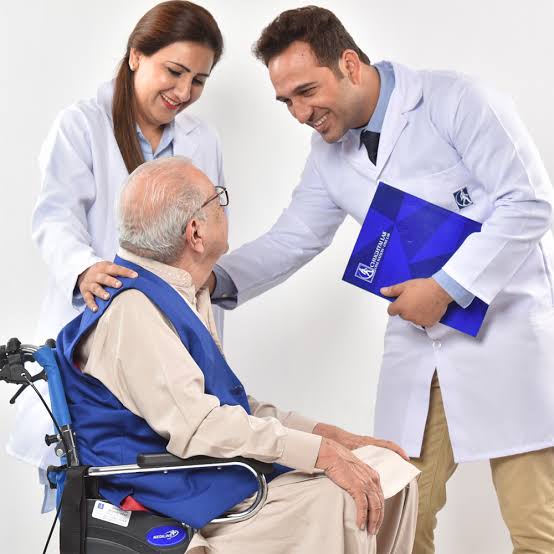

Documents Required for Home Care Services in Lahore: A Complete Guide to Home Health Care Services
Documents Required for Home Care Services in Lahore: A Complete Guide to Home Health Care Services
Arranging professional home healthcare for a loved one is an important decision. Whether the patient needs nursing care, elderly support, physiotherapy, post-surgical recovery, or long-term medical assistance, having the necessary documents ready can make the admission and care process much smoother.
Professional home health care services in Lahore usually request certain medical and personal documents before beginning treatment. These records help healthcare providers understand the patient’s condition, develop an appropriate care plan, and deliver safe, personalized medical care at home.
Preparing the required paperwork in advance saves time, prevents delays, and ensures that caregivers have the information they need from the very first visit.
Why Documents Are Important for Home Health Care Services
Every patient has unique medical needs. Accurate documentation allows healthcare professionals to understand the patient’s health history and current treatment requirements.
Proper documentation helps with:
- Creating personalized care plans
- Ensuring patient safety
- Preventing medication errors
- Coordinating with doctors
- Monitoring recovery progress
- Providing appropriate nursing care
- Maintaining accurate medical records
Having complete information allows caregivers to deliver high-quality care while reducing the risk of complications.
Basic Personal Identification Documents
Before starting home health care services, patients are generally asked to provide basic identification information.
Common documents include:
- Computerized National Identity Card (CNIC) or another valid government-issued identification
- Patient’s full name
- Date of birth
- Residential address
- Contact number
- Emergency contact information
These details help healthcare providers maintain accurate patient records and communicate with family members when necessary.
Doctor’s Prescription
A doctor’s prescription is one of the most important documents for many home healthcare services.
The prescription may include:
- Diagnosis
- Recommended treatments
- Required nursing procedures
- Medication instructions
- Therapy recommendations
- Follow-up care instructions
For specialized services such as injections, IV therapy, wound care, oxygen therapy, or physiotherapy, a prescription helps ensure treatment follows the physician’s recommendations.
Medical History
Providing a complete medical history allows caregivers to understand the patient’s overall health.
Medical history may include:
- Previous illnesses
- Chronic diseases
- Past surgeries
- Hospital admissions
- Existing medical conditions
- Family medical history when relevant
This information helps healthcare professionals identify potential risks and develop an appropriate care plan.
Hospital Discharge Summary
Patients recently discharged from the hospital should provide their discharge summary.
This document often contains:
- Final diagnosis
- Treatments received
- Surgical procedures
- Medication list
- Follow-up instructions
- Activity restrictions
- Dietary recommendations
Home nurses use this information to continue care according to the hospital’s treatment plan.
Current Medication List
Patients should provide a complete list of all medications they are currently taking.
The medication list should include:
- Medicine names
- Dosages
- Frequency
- Special instructions
- Injection schedules if applicable
Accurate medication records reduce the risk of incorrect dosing and drug interactions.
Diagnostic Test Reports
Recent laboratory and diagnostic reports help healthcare professionals understand the patient’s current condition.
These may include:
- Blood test results
- Urine reports
- X-rays
- CT scans
- MRI reports
- Ultrasound reports
- ECG results
- Blood sugar records
These reports are particularly important for patients receiving long-term medical care.
Allergy Information
Patients should clearly inform healthcare providers about any known allergies.
This may include allergies to:
- Medications
- Foods
- Medical dressings
- Latex
- Antibiotics
Knowing about allergies helps prevent serious allergic reactions during treatment.
Health Insurance Documents
If the patient plans to use insurance for eligible healthcare expenses, relevant insurance documents should be available.
These may include:
- Insurance policy details
- Membership card
- Claim forms
- Authorization letters
- Policy numbers
Coverage for home health care services varies depending on the insurance provider and policy, so families should verify their benefits in advance.
Previous Treatment Records
Patients receiving ongoing treatment from specialists should provide copies of previous medical records whenever available.
These records may include:
- Specialist consultation notes
- Treatment plans
- Rehabilitation records
- Nursing notes
- Physiotherapy reports
Continuity of care becomes much easier when healthcare professionals understand the patient’s treatment history.
Consent Forms
Professional home healthcare providers may ask patients or family members to sign consent forms before services begin.
These forms generally confirm:
- Agreement to receive care
- Permission for nursing procedures
- Emergency contact information
- Treatment authorization
- Privacy and confidentiality acknowledgments
Reading these forms carefully helps families understand the scope of services being provided.
Emergency Contact Information
Every patient should provide reliable emergency contact details.
Information typically includes:
- Primary caregiver’s name
- Relationship to the patient
- Mobile phone number
- Alternate contact number
- Address if different from the patient’s residence
Healthcare providers use this information if urgent communication is required.
Medical Equipment Information
Some patients already use medical equipment at home.
Healthcare providers should be informed if the patient has:
- Oxygen concentrator
- Oxygen cylinder
- Hospital bed
- Wheelchair
- Walker
- Nebulizer
- Suction machine
- Feeding pump
- Blood pressure monitor
- Glucometer
Understanding available equipment helps caregivers plan appropriate treatment.
Home Environment Information
Although not always a formal document, providing information about the patient’s home environment is useful.
This may include:
- Floor level
- Elevator availability
- Room accessibility
- Wheelchair access
- Bathroom facilities
- Existing safety equipment
This information helps caregivers prepare for safe patient care during home visits.
Special Care Instructions
Family members should inform caregivers about any special routines or patient preferences.
Examples include:
- Preferred meal times
- Sleeping schedule
- Religious considerations
- Mobility limitations
- Communication difficulties
- Behavioral concerns
- Cognitive impairments
Personalized care improves patient comfort and cooperation.
Documents for Elderly Patients
Older adults often require additional medical information.
Useful documents include:
- Geriatric assessment reports
- Memory evaluation records
- Chronic disease management plans
- Mobility assessments
- Fall history
- Vision and hearing reports
These records help caregivers provide safer and more effective elderly care.
Documents for Post-Surgical Patients
Patients recovering from surgery should provide:
- Surgical reports
- Operation notes
- Wound care instructions
- Follow-up appointment details
- Rehabilitation recommendations
- Pain management instructions
These documents guide home nurses during recovery.
Keeping Medical Records Organized
Families benefit from maintaining an organized file containing all important healthcare documents.
It is helpful to keep:
- Identification documents
- Prescriptions
- Laboratory reports
- Imaging reports
- Medication lists
- Hospital discharge summaries
- Insurance documents
- Emergency contacts
Updating these records regularly makes future healthcare visits much easier.
Digital Copies Can Be Helpful
In addition to paper documents, many families now keep scanned or photographed copies of important medical records on their smartphones or computers. Digital copies can be quickly shared with healthcare professionals if needed and provide a useful backup in case physical documents are misplaced.
Keeping electronic records organized in clearly labeled folders can save valuable time during medical consultations or emergency situations.
How Professional Home Health Care Services Use These Documents
Professional home health care services in Lahore review patient documents to develop individualized care plans that match each person’s medical needs. Nurses, caregivers, and therapists use this information to understand treatment goals, monitor progress, administer medications safely, and communicate effectively with the patient’s physician when necessary.
Accurate documentation also helps healthcare teams identify changes in the patient’s condition early, allowing treatment plans to be adjusted promptly for better outcomes.
Conclusion
Preparing the necessary documents before starting home health care services in Lahore helps ensure a smooth and efficient caregiving process. Medical records, doctor’s prescriptions, discharge summaries, medication lists, diagnostic reports, identification documents, and emergency contact information all play an important role in providing safe and personalized care.
By organizing these documents in advance and sharing accurate information with healthcare professionals, families can reduce delays, improve communication, and support better treatment outcomes. Whether the patient requires skilled nursing, elderly care, rehabilitation, physiotherapy, or post-operative recovery, having the right documentation allows home healthcare providers to deliver compassionate, high-quality care from the very first visit.