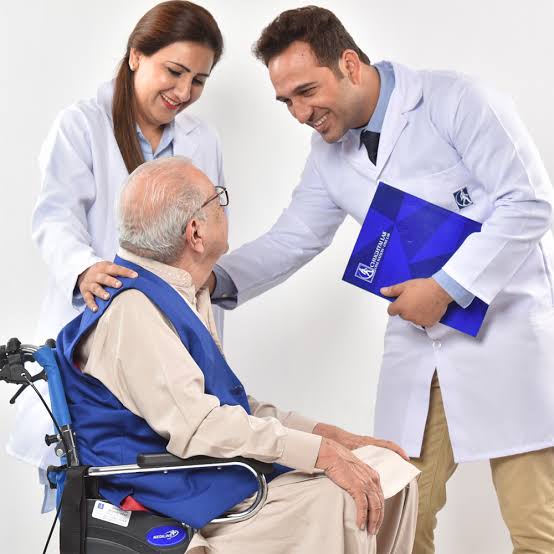

The Future Outlook of Home Care Services in Lahore
The Future Outlook of Home Care Services in Lahore
Healthcare is changing rapidly across the world, and Lahore is no exception. More families now prefer receiving medical care in the comfort of their homes instead of staying in hospitals for long periods. Home care services have become an important part of modern healthcare by providing professional nursing, elderly care, physiotherapy, rehabilitation, and medical support directly to patients. As technology advances and healthcare needs continue to grow, the future of home health careservices in Lahore looks promising. Industry forecasts also indicate continued growth in Pakistan’s home care service market over the coming years, driven by demand for skilled nursing, rehabilitation, and technology-enabled care.
Growing Demand for Home Healthcare
The demand for home healthcare is increasing because more people are living with chronic illnesses, recovering from surgeries, or requiring long-term medical support. Elderly individuals often prefer staying in familiar surroundings where they can receive personalized care from trained professionals. Families also appreciate the convenience of avoiding frequent hospital visits while ensuring their loved ones receive quality treatment.
As Lahore’s population continues to grow, the need for professional home healthcare services is expected to increase. Patients with diabetes, heart disease, stroke, cancer, respiratory illnesses, and neurological disorders are among those who benefit the most from home-based medical care.
An Aging Population Will Increase Home Care Needs
People are living longer than ever before, creating greater demand for elderly care services. Many older adults require assistance with daily activities, medication management, mobility, and regular health monitoring. Rather than moving into long-term care facilities, many families prefer professional caregivers who can provide support at home.
Future home healthcare services in Lahore are likely to include more specialized geriatric care, memory care for dementia patients, fall prevention programs, and personalized rehabilitation plans designed specifically for senior citizens.
Technology Will Transform Home Healthcare
Technology is becoming one of the biggest drivers of modern healthcare. Home healthcare providers are increasingly using digital tools to improve patient care and communication with doctors. Remote patient monitoring devices can measure blood pressure, blood sugar, oxygen levels, heart rate, and body temperature while allowing healthcare professionals to review patient information without requiring constant hospital visits. Research on remote patient monitoring also highlights its growing role in improving chronic disease management and early detection of health changes.
Telemedicine consultations, electronic medical records, wearable health devices, and mobile healthcare applications are expected to become more common in Lahore over the coming years.
Better Home Nursing Services
Future home nursing services will become more specialized to meet the changing needs of patients. Instead of offering only basic nursing care, providers will expand services to include wound management, IV therapy, palliative care, tracheostomy care, ventilator support, post-surgical recovery, and chronic disease management.
Highly trained nurses will continue working closely with doctors to provide hospital-quality care inside patients’ homes whenever appropriate.
Expansion of Rehabilitation Services
Rehabilitation is becoming an essential part of home healthcare. Patients recovering from strokes, fractures, orthopedic surgeries, spinal injuries, or neurological disorders often require long-term physiotherapy and occupational therapy.
Future home care services will likely offer more personalized rehabilitation programs using modern therapy techniques and digital monitoring systems. These services help patients regain independence while reducing the need for repeated hospital visits.
Increased Focus on Preventive Healthcare
Home healthcare is gradually shifting from treating illness to preventing disease. Caregivers now educate patients about healthy eating, exercise, medication adherence, stress management, and regular health screenings.
Preventive healthcare reduces hospital admissions, lowers healthcare costs, and improves long-term health outcomes. Future home care providers in Lahore are expected to place even greater emphasis on wellness and early intervention.
Growth of Home-Based Diagnostic Services
Diagnostic services are becoming more convenient through home sample collection, portable imaging, and home laboratory testing. Patients no longer need to travel long distances for routine blood tests or health monitoring.
As technology improves, more diagnostic procedures are expected to become available at home, making healthcare faster, safer, and more accessible for patients with limited mobility.
Personalized Care Plans
Every patient has unique healthcare needs. Future home healthcare services will continue moving toward individualized treatment plans based on age, medical history, lifestyle, and recovery goals.
Personalized care improves patient satisfaction because treatment is designed around each person’s specific condition rather than following a standard approach.
Improved Training for Caregivers
Professional caregiver training will become even more important in the future. Healthcare providers are expected to invest more in education covering infection prevention, emergency response, elderly care, mental health support, rehabilitation, communication skills, and patient safety.
Well-trained caregivers improve healthcare quality while increasing confidence among patients and their families.
Better Infection Control Standards
The importance of hygiene and infection prevention has become much more widely recognized. Future home healthcare services will continue strengthening infection control practices through proper hand hygiene, equipment sterilization, protective equipment, and regular staff training.
Maintaining high hygiene standards protects patients from infections while improving overall healthcare quality.
Integration with Hospitals and Doctors
Future healthcare systems are expected to become more connected. Hospitals, specialists, family physicians, nurses, physiotherapists, and home caregivers will increasingly work together to provide coordinated patient care.
Digital health records and improved communication will allow healthcare professionals to monitor patient progress more efficiently while reducing unnecessary hospital admissions.
Greater Support for Mental Health
Mental health is becoming an important part of home healthcare. Patients living with chronic illnesses often experience anxiety, depression, or emotional stress during recovery.
Future home healthcare providers are likely to include emotional support, counseling referrals, caregiver education, and mental wellness programs alongside traditional medical services to provide more comprehensive care.
Affordable Healthcare at Home
One reason home healthcare continues to grow is its ability to reduce healthcare expenses in many situations. Patients who recover safely at home may avoid some extended hospital stays while receiving personalized attention in a familiar environment.
As competition among healthcare providers increases and services expand, families in Lahore may have access to more flexible home care packages designed for different medical and financial needs.
Increased Awareness Among Families
Public awareness about home healthcare is growing rapidly. Families are becoming more familiar with services such as home nursing, physiotherapy, elderly care, laboratory testing, medical equipment rental, and doctor home visits.
As education improves, more people are expected to recognize the benefits of receiving professional healthcare at home whenever medically appropriate. Recent reports also describe a growing preference for home-based healthcare across major Pakistani cities, including Lahore.
The Role of Aviva Home Health Care Services
As the demand for quality healthcare continues to grow, providers that invest in skilled professionals, patient safety, modern medical equipment, and compassionate care will play an increasingly important role. Aviva Home Health Care Services is committed to meeting the evolving healthcare needs of families in Lahore by offering reliable nursing care, elderly support, physiotherapy, patient attendants, rehabilitation, and other home healthcare solutions.
By focusing on professional training, hygiene standards, personalized care plans, and patient comfort, Aviva aims to provide high-quality healthcare services that allow patients to recover safely in their own homes. Learn more about available services at https://www.avivahomehealthcareservices.pk/.
Conclusion
The future of home health careservices in Lahore is bright. Growing healthcare needs, an aging population, advances in medical technology, improved caregiver training, and greater awareness among families are all contributing to the continued expansion of home-based healthcare. In the coming years, patients can expect more personalized care, better remote monitoring, expanded rehabilitation services, stronger infection prevention, and closer coordination between hospitals and home healthcare providers. These developments will help improve patient outcomes while allowing individuals to receive safe, compassionate, and professional medical care in the comfort of their own homes.