
Home Nursing vs Hospital Nursing – The Difference in Lahore
Home Nursing vs Hospital Nursing – The Difference in Lahore
Healthcare needs are different for every patient. Some people require treatment in a hospital, while others can safely recover in the comfort of their own homes. As healthcare services continue to improve, many families in Lahore are choosing home health careservices because they provide professional nursing care without requiring long hospital stays. However, many people still wonder about the difference between home nursing and hospital nursing.
Both home nursing and hospital nursing are provided by qualified healthcare professionals, but they differ in their environment, responsibilities, patient care approach, and level of personalization. Understanding these differences can help families choose the right option for their loved ones.
This article explains the differences between home nursing and hospital nursing and why home health careservices have become a preferred choice for many patients in Lahore, Pakistan.
What Is Home Nursing?
Home nursing is professional medical care provided in the patient’s home. Qualified nurses visit patients according to their healthcare needs and provide treatments that would otherwise require repeated hospital visits.
Home nursing services may include:
- Medication management
- Injection administration
- IV drip services
- Wound dressing
- Blood pressure monitoring
- Blood sugar testing
- Catheter care
- Tracheostomy care
- Tube feeding support
- Post-surgical care
- Elderly care
- Health monitoring
The goal is to help patients recover safely while remaining in familiar surroundings.
What Is Hospital Nursing?
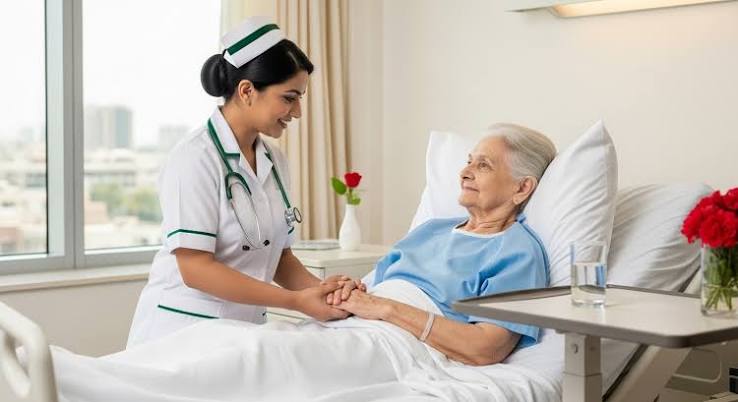
Hospital nursing refers to medical care provided by nurses within hospitals or healthcare facilities. Hospital nurses care for patients who require surgery, emergency treatment, intensive monitoring, or specialized medical procedures.
Hospital nurses work alongside doctors and other healthcare professionals to provide continuous medical care throughout a patient’s stay.
Hospital care is essential for patients with serious illnesses, major injuries, or conditions requiring immediate medical intervention.
Care Environment
One of the biggest differences between home nursing and hospital nursing is the care environment.
Home Nursing
Patients remain in their own homes where they feel comfortable and relaxed.
They stay close to family members and continue following familiar daily routines.
Hospital Nursing
Patients receive care in medical facilities equipped with specialized equipment and healthcare teams.
Although hospitals provide advanced medical treatment, they may also involve unfamiliar surroundings, noise, and limited privacy.
Personalized Attention
Home nursing provides highly personalized care.
Professional home health careservices focus on one patient at a time.
The nurse develops a care plan based on:
- Medical history
- Current health condition
- Daily routine
- Personal preferences
- Recovery goals
Hospital nurses usually care for several patients during a shift, balancing the needs of everyone under their responsibility.
Comfort and Emotional Well-Being
Many patients recover more comfortably at home.
Being surrounded by loved ones, familiar furniture, and personal belongings often reduces stress and anxiety.
Hospital environments can sometimes feel overwhelming, especially during longer stays.
For patients who are medically stable, home nursing often provides greater emotional comfort.
Medical Supervision
Hospital nursing offers continuous access to doctors, emergency equipment, operating rooms, diagnostic laboratories, and intensive care units.
This makes hospitals the best choice for:
- Emergency conditions
- Major surgeries
- Critical illnesses
- Severe injuries
- Intensive monitoring
Home nursing is generally suitable for patients whose condition is stable enough to be managed safely outside the hospital under the direction of their healthcare team.
Types of Medical Services
Home nursing now covers many healthcare services that were once available only in hospitals.
These services include:
- Medication administration
- Injection services
- IV therapy
- Wound care
- Catheter management
- Blood pressure monitoring
- Blood sugar monitoring
- Oxygen therapy
- Tube feeding support
- Post-operative care
Hospitals continue to provide advanced procedures such as surgery, emergency treatment, intensive care, and specialized diagnostic testing.
Recovery After Surgery
Many patients return home shortly after surgery.
Professional home nurses assist with:
- Wound dressing
- Medication schedules
- Recovery monitoring
- Pain management support
- Health assessments
Home physiotherapists also help patients regain mobility through personalized rehabilitation programs.
Hospital nursing remains necessary during the immediate post-operative period until the patient is medically stable for discharge.
Infection Risk
Hospitals treat patients with many different illnesses, including infectious diseases.
Once patients are medically stable, recovering at home may reduce exposure to healthcare-associated infections compared with prolonged hospital stays.
Professional nurses follow hygiene and infection-control practices during home visits to help maintain a safe environment.
Family Involvement
Home nursing allows family members to participate actively in patient care.
Relatives can:
- Observe treatments
- Learn caregiving techniques
- Monitor recovery
- Ask questions directly
- Provide emotional support
Hospital visiting policies may limit the amount of time family members can spend with patients.
Flexibility
Home healthcare offers flexible scheduling based on the patient’s needs.
Families may choose:
- Short daily visits
- Full-day nursing
- Night nursing
- Long-term care
- Temporary post-surgery care
Hospital care follows the hospital’s schedules and routines for treatment, meals, and visiting hours.
Elderly Care
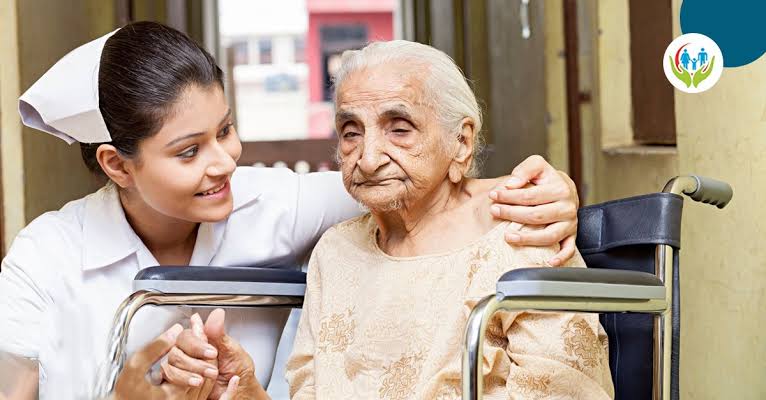
Many elderly patients prefer remaining at home.
Professional home health careservices help seniors by providing:
- Personal hygiene assistance
- Medication reminders
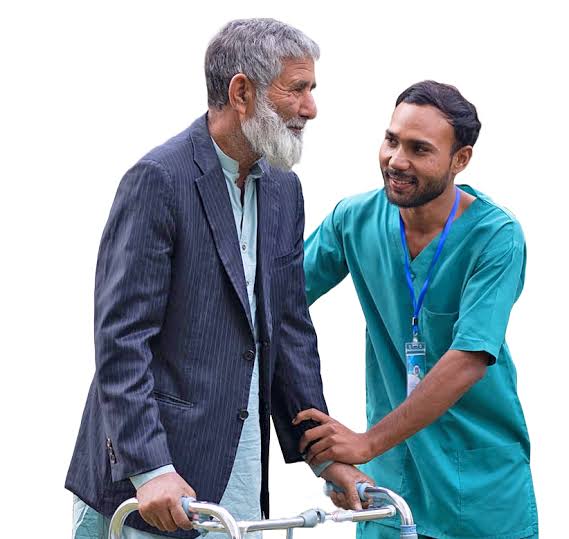
- Mobility support
- Health monitoring
- Companionship
- Rehabilitation
Home care allows older adults to maintain independence while staying close to their families.
Rehabilitation Services
Rehabilitation plays a major role after illnesses and surgeries.
Home physiotherapists help patients recovering from:
- Stroke
- Hip replacement
- Knee replacement
- Arthritis
- Paralysis
- Fractures
Exercises are performed in the patient’s own home, making rehabilitation more convenient and encouraging regular participation.
Cost Considerations
The cost of nursing care depends on the patient’s medical needs.
Home nursing costs vary based on:
- Number of visits
- Type of nursing services
- Duration of care
- Required medical procedures
Hospital care may include charges for room accommodation, nursing, diagnostic tests, and other hospital services.
Families should discuss costs with healthcare providers to determine the most appropriate option for their situation.
Patients Who Benefit Most from Home Nursing
Home nursing is often suitable for patients who:
- Are recovering after surgery
- Have stable chronic illnesses
- Need elderly care
- Require physiotherapy
- Need wound care
- Require medication management
- Have limited mobility
- Prefer staying at home
Professional home healthcare allows these patients to receive expert medical support while remaining in familiar surroundings.
Patients Who Need Hospital Nursing
Hospital nursing is generally the best choice for patients who:
- Need emergency treatment
- Require major surgery
- Need intensive care
- Have severe infections
- Require complex diagnostic procedures
- Need continuous medical monitoring that cannot safely be provided at home
The decision should always be made in consultation with the treating doctor.
Choosing a Trusted Home Healthcare Provider
If home nursing is appropriate, selecting the right provider is essential.
Look for providers that offer:
- Qualified nurses
- Experienced caregivers
- Personalized care plans
- Flexible scheduling
- Emergency support
- Good communication
- Transparent pricing
- Positive patient reviews
An experienced provider helps ensure safe, compassionate, and professional care.
Why Home Nursing Is Growing in Lahore
The demand for home health careservices continues to increase because more families recognize the benefits of receiving professional medical care at home. Advances in portable medical equipment and improved healthcare training now allow many treatments to be delivered safely outside hospitals.
Home nursing offers convenience, personalized attention, and comfort while helping patients recover more confidently.
Conclusion
Both home nursing and hospital nursing play essential roles in modern healthcare. Hospital nursing is critical for emergencies, surgeries, intensive care, and patients who need constant medical supervision. Home nursing, on the other hand, is an excellent choice for patients who are medically stable and can safely continue treatment at home.
For families in Lahore, Pakistan, home health careservices provide professional nursing care, rehabilitation, medication management, and ongoing medical support while allowing patients to recover in familiar surroundings. By choosing the right type of nursing care at the right time, patients can receive the treatment they need while enjoying greater comfort, dignity, and peace of mind.