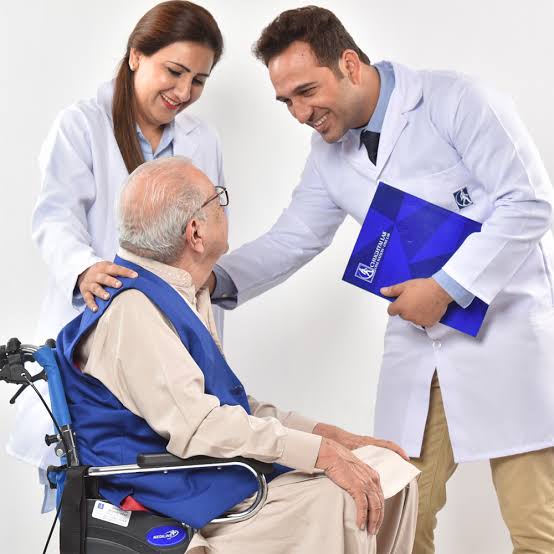

Home Care After Hip Replacement Surgery in Lahore
Home Care After Hip Replacement Surgery in Lahore
Hip replacement surgery is a common procedure that helps relieve severe hip pain and improve mobility for people with damaged hip joints. It is often recommended for patients with advanced arthritis, fractures, or other conditions that affect the hip. While the surgery is an important step toward recovery, proper care after the operation is equally important. This is why many families in Lahore choose home health careservices to support patients during the healing process.
Recovering at home allows patients to rest in a familiar environment while receiving professional nursing, physiotherapy, and personal care. Skilled healthcare professionals help manage pain, monitor recovery, assist with daily activities, and guide patients through rehabilitation exercises. Home healthcare also reduces the need for repeated hospital visits, making recovery more comfortable and convenient.
This article explains how home health careservices support patients after hip replacement surgery in Lahore, Pakistan, and why home care plays a vital role in successful recovery.
Understanding Hip Replacement Surgery
Hip replacement surgery involves replacing a damaged hip joint with an artificial joint. Doctors usually recommend this procedure when pain and stiffness make everyday activities difficult and other treatments no longer provide relief.
Common reasons for hip replacement include:
- Osteoarthritis
- Rheumatoid arthritis
- Hip fractures
- Hip joint damage
- Avascular necrosis
- Severe joint pain affecting mobility
Most patients experience improved movement and reduced pain after surgery, but proper rehabilitation is essential for the best results.
Why Home Care Is Important After Hip Replacement
The first few weeks after surgery are critical. Patients need rest, medical supervision, and gradual rehabilitation to ensure proper healing.
Professional home health careservices help by providing personalized care based on the patient’s condition and the surgeon’s recommendations. Healthcare professionals monitor recovery, reduce the risk of complications, and encourage safe movement throughout the healing process.
Benefits of Home Care After Hip Replacement
Receiving professional care at home offers several important advantages.
Comfortable Recovery
Patients usually recover more comfortably in familiar surroundings where they can rest without the stress of hospital environments.
Personalized Attention
Home healthcare professionals focus on one patient at a time, allowing care plans to be adjusted according to individual recovery needs.
Reduced Hospital Visits
Many follow-up services, including nursing care and physiotherapy, can be provided at home, reducing unnecessary travel.
Family Support
Family members can stay involved throughout recovery while receiving guidance from healthcare professionals on how to assist safely.
Home Nursing Services
Qualified nurses play an important role after hip replacement surgery.
Home nursing services may include:
- Monitoring recovery
- Checking vital signs
- Medication management
- Pain management support
- Wound dressing
- Infection prevention
- Injection administration if prescribed
- Health assessments
Regular nursing visits help ensure that recovery is progressing as expected.
Wound Care
Proper wound care is essential after surgery.
Home nurses monitor the surgical incision for signs of healing and follow the surgeon’s instructions for dressing changes and hygiene. They also educate patients and families about keeping the wound clean and when to contact the healthcare team if concerns arise.
Pain Management
Some discomfort is expected after hip replacement surgery.
Healthcare professionals help patients manage pain by:
- Ensuring prescribed medications are taken correctly
- Encouraging appropriate movement and positioning
- Monitoring comfort levels
- Communicating concerns to the treating doctor when necessary
Effective pain management allows patients to participate more comfortably in rehabilitation.
Physiotherapy at Home
Physiotherapy is one of the most important parts of hip replacement recovery.
Home physiotherapists create personalized exercise programs that help patients:
- Improve hip movement
- Strengthen muscles
- Increase flexibility
- Improve balance
- Regain walking ability
- Reduce stiffness
Exercises are introduced gradually and adjusted according to the patient’s progress and the surgeon’s advice.
Walking and Mobility Training
Learning to walk safely after surgery is an important milestone.
Physiotherapists teach patients how to:
- Walk with a walker or crutches if recommended
- Move safely around the home
- Climb stairs correctly
- Sit and stand safely
- Protect the new hip joint during daily activities
Following these techniques reduces the risk of falls and supports recovery.
Assistance with Daily Activities
During the first few weeks, patients may need help with routine tasks.
Professional caregivers can assist with:
- Bathing
- Dressing
- Personal hygiene
- Meal preparation
- Walking assistance
- Getting in and out of bed
- Using the bathroom safely
This support allows patients to recover comfortably while avoiding unnecessary strain.
Preventing Falls
Fall prevention is especially important after hip replacement surgery.
Home healthcare professionals help by:
- Supervising mobility
- Recommending walking aids
- Removing household hazards
- Improving lighting
- Encouraging safe movement techniques
Simple changes can significantly reduce the risk of injury.
Home Safety Modifications
Creating a safe home environment supports a smoother recovery.
Healthcare providers may recommend:
- Installing grab bars in bathrooms
- Removing loose rugs
- Keeping walkways clear
- Using non-slip mats
- Raising chair or toilet seat height if advised
- Arranging furniture for easier movement
These adjustments help patients move more confidently and safely.
Nutrition for Recovery
A balanced diet supports healing after surgery.
Patients are generally encouraged to eat nutritious foods that provide:
- Protein
- Vitamins
- Minerals
- Fiber
- Adequate fluids
Any dietary recommendations should follow the advice of the treating doctor or dietitian.
Medication Management
Taking medications exactly as prescribed is essential.
Home nurses help patients:
- Follow medication schedules
- Understand prescribed medicines
- Monitor for possible side effects
- Keep accurate medication records
Good medication management supports recovery and helps prevent complications.
Monitoring Recovery
Professional healthcare providers regularly assess the patient’s progress.
They monitor:
- Wound healing
- Pain levels
- Mobility
- Muscle strength
- Walking ability
- Overall health
If recovery is slower than expected or new symptoms appear, they advise the family to contact the treating doctor promptly.
Emotional Support
Recovering from major surgery can be emotionally challenging.
Some patients may experience:
- Anxiety
- Frustration
- Fear of falling
- Reduced confidence
Professional caregivers and physiotherapists provide encouragement and help patients regain confidence as they achieve recovery milestones.
Family Education
Families are an important part of successful recovery.
Healthcare professionals teach relatives about:
- Safe transfer techniques
- Mobility assistance
- Medication schedules
- Exercise routines
- Fall prevention
- Home safety
- Recognizing warning signs that require medical attention
This guidance helps family members provide effective support while protecting both themselves and the patient.
Choosing a Reliable Home Healthcare Provider
Selecting an experienced home healthcare provider is essential after hip replacement surgery.
Look for a provider that offers:
- Qualified nurses
- Licensed physiotherapists
- Experienced caregivers
- Personalized care plans
- Flexible home visits
- Emergency support
- Clear communication
- Positive patient reviews
Professional care helps patients recover safely and comfortably.
Why Home Healthcare Is Growing in Lahore
The demand for home health careservices continues to grow because more patients prefer recovering at home rather than staying in hospitals longer than necessary. Advances in healthcare and portable medical equipment allow professional nursing and rehabilitation services to be delivered safely at home.
Families appreciate the convenience, personalized care, and emotional comfort that home healthcare provides during recovery.
Conclusion
Hip replacement surgery can greatly improve mobility and reduce chronic pain, but successful recovery depends on proper care after the operation. Professional home health careservices provide patients in Lahore, Pakistan with skilled nursing, physiotherapy, rehabilitation, and personal assistance while allowing them to recover in the comfort of their own homes.
Home care reduces unnecessary hospital visits, promotes safe healing, and supports patients as they regain strength and independence. With experienced healthcare professionals and active family involvement, patients can recover with greater confidence, comfort, and peace of mind, making home healthcare an excellent choice after hip replacement surgery.