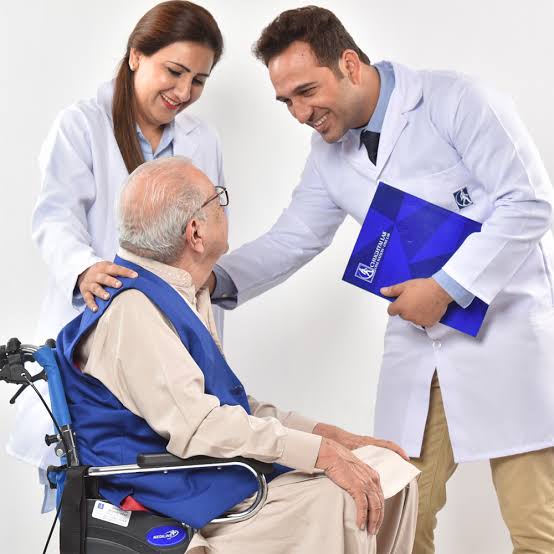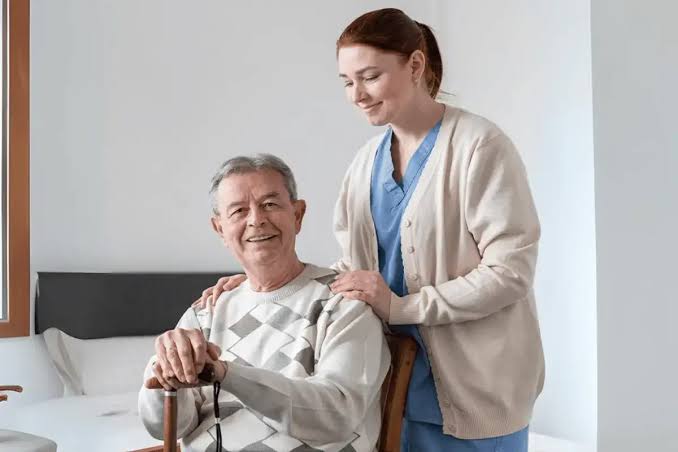

The History and Growth of Home Health Care in Lahore
The History and Growth of Home Health Care in Lahore
Healthcare has changed dramatically over the past few decades, and one of the biggest developments has been the rise of home health careservices. In the past, people in Lahore had to visit hospitals or clinics for almost every medical need. Today, many treatments and healthcare services can be provided in the comfort of a patient’s home. This change has made healthcare more convenient, affordable, and patient-centered.
In Lahore, Pakistan, home healthcare has become an important part of the medical system. Families now rely on professional nurses, physiotherapists, caregivers, and doctors who provide quality care at home. Whether it is caring for elderly parents, helping patients recover after surgery, or managing chronic illnesses, home healthcare has become a trusted solution for thousands of families.
This article explores the history and growth of home health careservices in Lahore, Pakistan, and explains why they continue to grow in popularity.
Understanding Home Health Care
Home health care refers to professional medical and personal care services provided in a patient’s home instead of a hospital or clinic. These services are designed for people who need medical attention, rehabilitation, or daily assistance while remaining in a familiar environment.
Common home healthcare services include:
- Home nursing
- Elderly care
- Physiotherapy
- Doctor home visits
- Patient attendants
- Post-surgical care
- Wound dressing
- Injection and IV drip services
- Oxygen therapy
- Palliative care
- Rehabilitation services
These services help patients receive professional treatment without the stress of traveling to healthcare facilities.
Healthcare in Lahore Before Home Healthcare
Many years ago, healthcare in Lahore was almost entirely hospital-based. Patients requiring long-term treatment usually stayed in hospitals until they recovered. Families cared for sick relatives at home, but professional home medical services were limited.
People recovering from surgeries, strokes, fractures, or chronic illnesses often had no choice but to make repeated visits to hospitals for follow-up care. This was difficult for elderly patients and those with limited mobility. Long travel times, crowded hospitals, and waiting in queues added to the physical and emotional burden.
As Lahore’s population continued to grow, hospitals became busier, creating the need for alternative healthcare solutions.
The Beginning of Professional Home Healthcare
The concept of professional home healthcare gradually developed as medical providers recognized that many patients could safely recover at home with proper supervision.
Private healthcare organizations began offering home nursing and caregiver services to patients who required continued support after hospital discharge. Initially, these services mainly focused on elderly care and basic nursing. Over time, they expanded to include specialized treatments such as physiotherapy, rehabilitation, respiratory care, and chronic disease management.
The availability of trained healthcare professionals visiting patients at home marked an important milestone in Lahore’s healthcare system.
Factors Behind the Growth of Home Healthcare
Several reasons have contributed to the rapid growth of home health careservices in Lahore.
Growing Population
Lahore is one of Pakistan’s largest cities, and its population continues to increase. As more people require healthcare services, hospitals often experience heavy patient loads. Home healthcare helps reduce this pressure by allowing suitable patients to receive treatment at home.
Increasing Elderly Population
People are living longer than before, leading to a growing elderly population. Older adults often require continuous care due to conditions such as arthritis, diabetes, heart disease, or reduced mobility.
Professional caregivers and nurses help seniors remain safe and comfortable in their own homes while maintaining their independence.
Rise in Chronic Diseases
Conditions such as diabetes, hypertension, kidney disease, stroke, and neurological disorders require ongoing monitoring rather than short-term treatment. Home healthcare allows patients to receive regular medical support without frequent hospital visits.
Improved Medical Technology
Modern portable medical equipment has made it possible to perform many healthcare procedures at home. Devices such as portable oxygen concentrators, blood pressure monitors, nebulizers, pulse oximeters, and blood glucose meters enable healthcare professionals to provide safe and effective treatment outside hospitals.
The Importance of Home Nursing
Professional home nursing has become one of the most valuable healthcare services available in Lahore.
Home nurses perform many medical tasks, including:
- Administering medications
- Giving injections
- Monitoring blood pressure
- Checking blood sugar levels
- Changing wound dressings
- Managing catheters
- Caring for tracheostomy patients
- Monitoring patient recovery
Having skilled nurses available at home provides peace of mind for both patients and their families.
Home Physiotherapy Became More Popular
Physiotherapy is another area that has experienced significant growth within home healthcare.
Patients recovering from surgeries, fractures, paralysis, strokes, or arthritis often find traveling to clinics painful and exhausting. Home physiotherapists solve this problem by providing personalized rehabilitation sessions at the patient’s residence.
Therapists develop customized exercise plans that improve strength, flexibility, balance, and mobility while helping patients regain independence.
Better Care for Elderly Patients
Many families in Lahore prefer keeping elderly relatives at home rather than moving them to long-term care facilities. Home healthcare supports this preference by offering professional caregivers who assist with daily activities while allowing seniors to remain close to their loved ones.
Caregivers help with:
- Personal hygiene
- Bathing and dressing
- Mobility assistance
- Meal support
- Medication reminders
- Companionship
- Fall prevention
These services improve the quality of life for elderly patients while reducing the burden on family members.
Benefits of Home Healthcare
The popularity of home health careservices continues to grow because of the many benefits they offer.
Comfort and Familiarity
Patients generally recover better in familiar surroundings. Being at home reduces stress and creates a more relaxed environment.
Personalized Care
Healthcare professionals provide one-on-one attention tailored to the patient’s specific medical condition and recovery goals.
Reduced Travel
Patients no longer need to spend hours traveling through traffic or waiting at hospitals for routine care.
Family Involvement
Family members can participate in treatment, observe therapy sessions, and communicate directly with healthcare professionals.
Lower Risk of Infections
Recovering at home may reduce exposure to infections that can spread in busy healthcare facilities.
Expanding Services Across Lahore
Home healthcare providers now offer a wide variety of services throughout Lahore.
These include:
- Elderly care
- Home nursing
- ICU setup at home
- Physiotherapy
- Speech therapy
- Occupational therapy
- Mother and baby care
- Lab sample collection
- Oxygen therapy
- Medical equipment rental
- Post-operative care
- Palliative care
This broad range of services allows patients with different medical needs to receive professional care without leaving home.
The Role of Families
Family support remains one of the greatest strengths of home healthcare in Pakistan. Relatives can stay involved throughout the patient’s recovery and work closely with healthcare professionals.
Families often assist by:
- Encouraging prescribed exercises
- Helping with medications
- Monitoring symptoms
- Providing emotional support
- Reporting changes in the patient’s condition
This partnership between healthcare providers and families often leads to better treatment outcomes.
Challenges Facing Home Healthcare
Although home healthcare has grown significantly, certain challenges remain.
Some healthcare providers still face shortages of trained professionals, while patients may have difficulty identifying reliable service providers. Public awareness also continues to improve, as some families are still unfamiliar with the full range of services available at home.
As the industry develops, better training, higher standards, and greater public education will further strengthen home healthcare services in Lahore.
The Future of Home Healthcare in Lahore
The future of home health careservices in Lahore looks very promising. Advances in medical technology, telemedicine, and portable healthcare equipment will allow even more treatments to be safely delivered at home.
Healthcare providers are expected to expand services such as remote patient monitoring, digital medical records, specialized rehabilitation programs, and home-based chronic disease management. These improvements will make healthcare more accessible and efficient for patients across Lahore.
As awareness continues to grow, more families are expected to choose home healthcare because of its convenience, personalized approach, and ability to improve patient comfort.
Conclusion
The history of home healthcare in Lahore reflects the city’s growing healthcare needs and changing lifestyle. What began as simple family caregiving has developed into a professional healthcare service that supports patients with nursing, physiotherapy, rehabilitation, elderly care, and chronic disease management.
Today, home health careservices play a vital role in helping patients recover safely and comfortably in their own homes. They reduce unnecessary hospital visits, provide personalized medical attention, and improve the overall quality of life for patients and their families. As healthcare technology continues to advance and demand increases, home healthcare will remain an essential part of Lahore, Pakistan’s healthcare system, offering compassionate, reliable, and professional care where patients feel most comfortable—their own home.