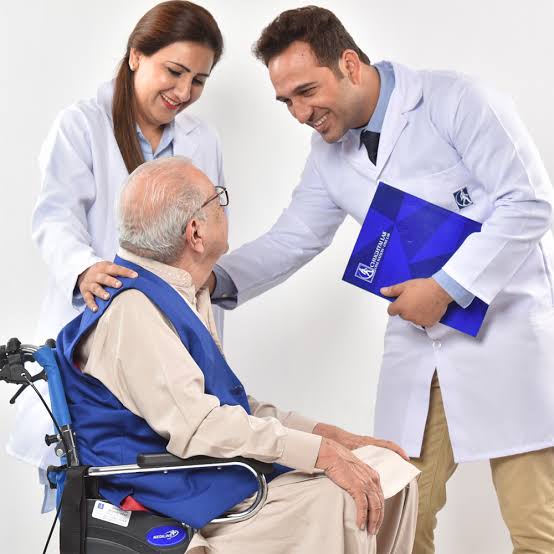

Home Care for Chronic Illness Patients in Lahore
Home Care for Chronic Illness Patients in Lahore
Living with a chronic illness can affect every part of a person’s daily life. Unlike short-term illnesses, chronic conditions often require ongoing medical care, regular monitoring, medication management, and lifestyle adjustments for months or even years. For many patients, frequent hospital visits can be physically exhausting and emotionally stressful. Home-based healthcare offers a practical solution by bringing professional medical services directly to the patient’s home.
Professional home health careservices in Lahore provide personalized care for individuals living with chronic illnesses such as diabetes, heart disease, chronic kidney disease, chronic respiratory conditions, neurological disorders, and arthritis. Skilled nurses, caregivers, physiotherapists, and other healthcare professionals work together to help patients manage their condition while maintaining comfort, independence, and a better quality of life. Home healthcare providers in Lahore commonly offer chronic disease management, skilled nursing, rehabilitation, and 24/7 support when required.
What Is a Chronic Illness?
A chronic illness is a health condition that lasts for a long time and usually requires continuous medical care. While many chronic diseases cannot be completely cured, they can often be managed successfully through proper treatment, healthy lifestyle choices, and regular medical monitoring.
The main goals of long-term care are to:
- Control symptoms
- Prevent complications
- Improve daily functioning
- Maintain independence
- Enhance quality of life
With the right support, many patients continue to live active and fulfilling lives.
Why Choose Home Health Care Services?
Professional home health careservices allow patients to receive medical attention without leaving their homes.
Some of the key benefits include:
- Personalized care plans
- Skilled nursing care
- Comfortable home environment
- Flexible visit schedules
- Reduced hospital visits
- One-on-one attention
- Family involvement
- Ongoing health monitoring
Receiving care at home often helps patients feel more relaxed while making treatment easier to manage.
Common Chronic Illnesses Treated at Home
Home healthcare professionals provide support for many long-term conditions.
These include:
- Diabetes
- High blood pressure
- Heart disease
- Chronic kidney disease
- Chronic obstructive pulmonary disease (COPD)
- Asthma
- Parkinson’s disease
- Multiple sclerosis
- Arthritis
- Dementia
- Alzheimer’s disease
- Stroke-related disabilities
Every care plan is customized according to the patient’s diagnosis and healthcare needs.
Initial Health Assessment
The first step in home care is a detailed medical assessment.
Healthcare professionals evaluate:
- Medical history
- Current diagnosis
- Medications
- Blood pressure
- Blood sugar
- Mobility
- Nutrition
- Daily activities
- Home environment
- Long-term care needs
This assessment helps create a personalized treatment plan.
Skilled Nursing Care
Many patients with chronic illnesses require ongoing nursing support.
Professional nurses provide:
- Vital sign monitoring
- Medication administration
- Injection services
- IV therapy when prescribed
- Wound care
- Catheter care
- Health assessments
- Symptom monitoring
Regular nursing visits help detect health changes early and reduce complications.
Medication Management
Patients with chronic illnesses often take several medications every day.
Professional caregivers assist by:
- Organizing medication schedules
- Providing reminders
- Monitoring side effects
- Recording treatments
- Coordinating with doctors
Proper medication management helps improve treatment effectiveness while reducing medication errors.
Monitoring Vital Signs
Routine monitoring is essential for many chronic diseases.
Healthcare professionals regularly check:
- Blood pressure
- Heart rate
- Blood sugar
- Oxygen saturation
- Temperature
- Respiratory rate
Keeping accurate records allows doctors to evaluate treatment progress and make adjustments when necessary.
Diabetes Care at Home
Diabetes requires consistent monitoring and healthy daily habits.
Home healthcare services may include:
- Blood sugar monitoring
- Medication reminders
- Insulin administration when prescribed
- Foot care
- Nutrition guidance
- Health education
Regular monitoring helps reduce the risk of long-term complications.
Heart Disease Management
Patients living with heart disease benefit from close observation.
Home nurses may assist with:
- Blood pressure monitoring
- Pulse monitoring
- Medication management
- Symptom observation
- Lifestyle education
- Coordination with physicians
Ongoing monitoring supports safer long-term management.
Respiratory Care
Patients with chronic lung conditions often require additional support.
Home healthcare may include:
- Oxygen therapy monitoring
- Nebulizer assistance
- Breathing exercises
- Oxygen saturation monitoring
- Respiratory assessments
Professional supervision helps patients manage breathing difficulties more effectively.
Neurological Care
Chronic neurological conditions often affect movement and daily living.
Professional caregivers assist patients with:
- Mobility support
- Personal hygiene
- Medication management
- Rehabilitation exercises
- Safety monitoring
Patients with Parkinson’s disease, Multiple Sclerosis, or stroke-related disabilities often benefit from long-term home care.
Physiotherapy
Many chronic illnesses reduce mobility and muscle strength.
Physiotherapists help improve:
- Balance
- Walking ability
- Muscle strength
- Joint flexibility
- Endurance
- Coordination
Regular therapy helps maintain independence and reduce physical limitations.
Occupational Therapy
Occupational therapy helps patients continue performing everyday activities safely.
Treatment may include:
- Dressing techniques
- Bathing assistance
- Energy conservation
- Home safety recommendations
- Hand function exercises
- Adaptive equipment training
These practical skills improve confidence and independence.
Personal Care Assistance
Some patients require help with routine daily activities.
Caregivers assist with:
- Bathing
- Dressing
- Grooming
- Feeding
- Toileting
- Oral hygiene
- Hair care
Maintaining personal hygiene supports both physical health and emotional well-being.
Nutrition Support
Healthy nutrition plays an important role in managing chronic diseases.
Healthcare professionals may help patients by:
- Planning balanced meals
- Monitoring hydration
- Supporting special diets
- Encouraging healthy eating habits
- Assisting with feeding when necessary
Good nutrition supports overall health and recovery.
Preventing Complications
Early intervention helps prevent serious health problems.
Professional home health careservices focus on preventing complications such as:
- Falls
- Pressure sores
- Medication errors
- Infections
- Dehydration
- Poor nutrition
Routine monitoring allows healthcare professionals to respond quickly if the patient’s condition changes.
Emotional and Mental Health Support
Living with a chronic illness can affect emotional well-being.
Patients may experience:
- Stress
- Anxiety
- Depression
- Frustration
- Social isolation
Professional caregivers provide companionship and encouragement, while persistent mental health concerns should be assessed by qualified healthcare professionals.
Family Education
Family members play an important role in long-term care.
Healthcare professionals teach families about:
- Medication schedules
- Healthy nutrition
- Safe mobility
- Infection prevention
- Emergency warning signs
- Home safety
- Daily care techniques
Well-informed families are better prepared to support their loved ones.
Long-Term Care Planning
Because chronic illnesses often require ongoing treatment, long-term planning is essential.
Care plans may include:
- Regular nursing visits
- Rehabilitation sessions
- Medication reviews
- Routine health monitoring
- Doctor consultations
- Caregiver assistance
Professional home healthcare providers regularly review care plans and adjust them as the patient’s condition changes.
Benefits of Home Health Care Services
Choosing professional home health careservices offers several important advantages.
Personalized Care
Every patient receives an individualized treatment plan based on their medical condition and personal needs.
Greater Comfort
Patients remain in familiar surroundings with the support of family members.
Better Health Monitoring
Regular assessments help identify health changes before they become serious.
Improved Independence
Professional rehabilitation and daily assistance help patients remain active for as long as possible.
Reduced Hospital Visits
Ongoing monitoring and timely intervention may help reduce avoidable hospital admissions.
Peace of Mind for Families
Families feel reassured knowing experienced healthcare professionals are providing consistent medical care and support.
Choosing the Right Home Healthcare Provider in Lahore
Selecting a reliable provider is essential for successful long-term care. Families should choose home healthcare services that employ qualified nurses, trained caregivers, physiotherapists, and other healthcare professionals experienced in managing chronic illnesses. A good provider should offer personalized care plans, regular medical assessments, flexible scheduling, and clear communication with both the patient and their physician.
It is also beneficial to choose a provider that offers coordinated services such as nursing, rehabilitation, elderly care, and chronic disease management under one care plan, making treatment more convenient and consistent.
Conclusion
Managing a chronic illness requires consistent medical care, careful monitoring, and ongoing support. Professional home health careservices in Lahore provide comprehensive home-based care that includes skilled nursing, medication management, physiotherapy, personal care, health monitoring, and family education.
By receiving personalized healthcare in the comfort of home, patients can better manage their condition, maintain greater independence, and enjoy an improved quality of life. With experienced healthcare professionals working alongside family members, home healthcare offers a compassionate and practical solution for long-term chronic illness management.