
Male vs Female Attendant – Differences in Home Care Lahore: Choosing the Right Home Health Care Services
Male vs Female Attendant – Differences in Home Care Lahore: Choosing the Right Home Health Care Services
When arranging care for a loved one at home, one of the common questions families ask is whether they should hire a male or female attendant. The answer depends on the patient’s medical condition, mobility, personal preferences, cultural considerations, and the type of assistance required.
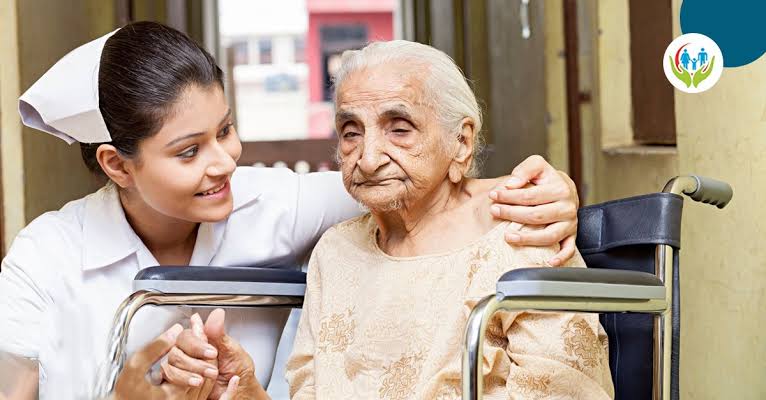
Professional home health care services in Lahore offer both male and female attendants who are trained to provide compassionate, respectful, and personalized care. Both play an important role in supporting patients with daily activities, mobility, personal hygiene, medication reminders, and companionship. The main difference is not necessarily in the quality of care but in the specific needs of the patient and the tasks involved.
Understanding the roles and strengths of male and female attendants can help families make an informed decision and ensure that patients receive comfortable and appropriate care.
What Is a Home Care Attendant?
A home care attendant is a trained caregiver who provides non-medical or basic healthcare support to individuals who need assistance while remaining in their own homes.
Attendants commonly help with:
- Personal hygiene
- Bathing
- Dressing
- Feeding
- Mobility assistance
- Medication reminders
- Companionship
- Light housekeeping
- Monitoring the patient’s condition
Some attendants also work alongside nurses, physiotherapists, or doctors as part of a broader home healthcare plan.
Why Home Health Care Services Offer Both Male and Female Attendants
Every patient has different physical, emotional, and cultural needs.
Professional home health care services provide both male and female attendants so families can choose the caregiver who best matches the patient’s comfort level and care requirements.
This flexibility improves:
- Patient comfort
- Privacy
- Personal dignity
- Family confidence
- Quality of care
The goal is always to provide respectful, individualized support.
Duties Shared by Male and Female Attendants
Both male and female attendants receive training to assist with many of the same daily care activities.
Common responsibilities include:
- Assisting with bathing
- Helping with dressing
- Feeding assistance
- Mobility support
- Position changes
- Wheelchair assistance
- Monitoring general well-being
- Providing companionship
- Maintaining cleanliness around the patient
- Reporting health changes to family members or healthcare professionals
The core responsibilities remain similar regardless of gender.
When a Male Attendant May Be Preferred
A male attendant may be the better choice in certain situations.
Examples include:
Assisting Heavy Patients
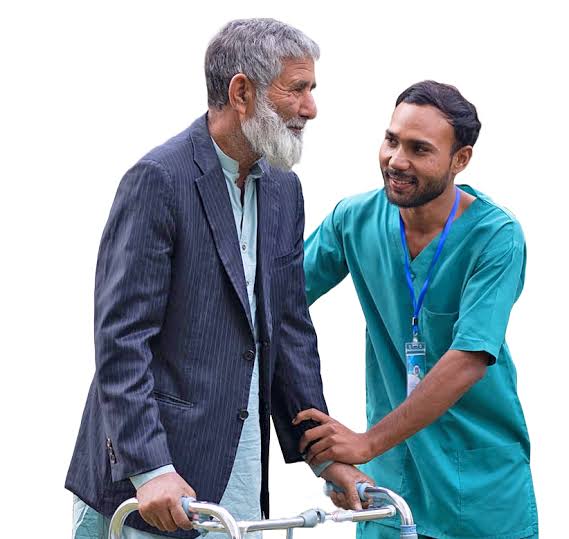
Male attendants may be chosen when patients require significant physical support during transfers or movement.
This includes:
- Moving between bed and wheelchair
- Walking assistance
- Lifting support
- Position changes
Caring for Male Patients
Some male patients feel more comfortable receiving personal care from another male, particularly during bathing, dressing, or toileting.
Respecting personal privacy can improve the patient’s overall comfort.
Rehabilitation Support
Patients recovering from major injuries or surgeries sometimes require additional physical assistance with mobility exercises and transfers.
Male attendants often work alongside physiotherapists during rehabilitation when greater physical support is needed.
When a Female Attendant May Be Preferred
Female attendants are frequently selected for certain caregiving situations.
Examples include:
Caring for Female Patients
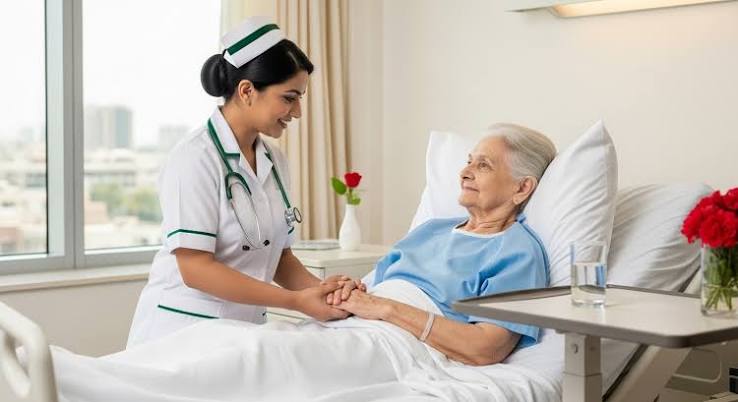
Many women prefer receiving personal care from female attendants during:
- Bathing
- Dressing
- Personal hygiene
- Grooming
This helps maintain privacy and dignity.
Elderly Women
Older women living alone often feel more comfortable with female caregivers who assist with daily routines while providing companionship.
Postnatal Care
Mothers recovering after childbirth commonly receive assistance from female attendants who help with personal care, breastfeeding support, and newborn care under professional supervision.
Skills That Matter More Than Gender
While gender may influence personal comfort, professional qualifications are usually more important.
Families should consider whether the attendant has:
- Proper training
- Experience
- Good communication skills
- Compassion
- Patience
- Reliability
- Respect for patient privacy
- Knowledge of basic caregiving
A qualified caregiver provides safe and effective support regardless of gender.
Conditions That May Require Home Attendants
Professional attendants commonly assist patients with:
- Stroke recovery
- Paralysis
- Parkinson’s disease
- Dementia
- Alzheimer’s disease
- Spinal cord injuries
- Arthritis
- Fractures
- Post-surgical recovery
- Cancer care
- Long-term illnesses
Each patient receives care according to their medical needs and level of independence.
Personal Care Services Provided
Attendants help patients perform daily personal care activities safely.
These may include:
- Bathing
- Hair care
- Oral hygiene
- Dressing
- Toileting assistance
- Skin care
- Nail care
- Changing bed linens
Maintaining personal hygiene improves both comfort and overall health.
Mobility Assistance
Many patients require help moving safely around their homes.
Attendants assist with:
- Walking
- Standing
- Sitting
- Bed transfers
- Wheelchair mobility
- Fall prevention
Proper mobility support reduces the risk of injuries.
Emotional Support and Companionship
Home attendants provide more than physical assistance.
Many patients benefit from:
- Friendly conversation
- Emotional encouragement
- Social interaction
- Reading together
- Playing simple games
- Assisting with hobbies
Regular companionship can reduce loneliness and improve emotional well-being, especially for elderly individuals.
Family Support
Professional home health care services also help family members by reducing caregiving stress.
Attendants allow families to:
- Continue working
- Rest when needed
- Focus on other responsibilities
- Spend meaningful time with their loved one instead of managing every caregiving task
This balance supports both the patient and the family.
Questions to Ask Before Choosing an Attendant
Before hiring an attendant, families should consider:
- What type of care does the patient need?
- Does the patient have a gender preference?
- Will heavy lifting or mobility assistance be required?
- Does the patient require personal hygiene support?
- What level of training does the attendant have?
- Is nursing care also needed?
Answering these questions helps identify the most suitable caregiver.
Professional Training and Supervision
Reputable home healthcare providers ensure that attendants receive appropriate training before working with patients.
Training often includes:
- Safe patient handling
- Infection prevention
- Personal hygiene assistance
- Emergency response
- Communication skills
- Elderly care techniques
- Basic health monitoring
Some attendants also work under the supervision of registered nurses when patients require more complex medical care.
Benefits of Professional Home Health Care Services
Choosing professional home health care services offers several important advantages.
Personalized Care
Care plans are tailored to the patient’s medical condition, mobility, and personal preferences.
Flexible Care Options
Families can arrange part-time, full-time, daytime, overnight, or 24-hour care depending on the patient’s needs.
Improved Safety
Trained attendants help reduce falls, medication mistakes, and other preventable accidents.
Greater Independence
Patients receive the support they need while continuing to live comfortably in their own homes.
Peace of Mind for Families
Knowing that a trained caregiver is assisting a loved one provides reassurance and reduces caregiver stress.
Choosing the Right Attendant in Lahore
When selecting a home attendant, families should focus on the patient’s comfort, medical requirements, and daily care needs rather than assuming one gender is always better than the other. Both male and female attendants can provide excellent care when they are properly trained, experienced, and matched appropriately to the patient.
Professional home healthcare providers in Lahore usually assess the patient’s condition before recommending the most suitable caregiver. This personalized approach helps ensure that both the patient and family feel comfortable with the care arrangement.
Conclusion
Choosing between a male and female attendant is an important decision that depends on the patient’s medical condition, mobility, privacy, and personal preferences. Professional home health care services in Lahore offer both male and female caregivers who are trained to provide compassionate, respectful, and high-quality support.
Whether the patient needs assistance with personal hygiene, mobility, elderly care, post-surgical recovery, or long-term daily living activities, selecting the right attendant helps improve comfort, independence, and overall quality of life. By focusing on professional skills, experience, and the patient’s individual needs, families can make a confident decision that supports safe and effective home care.