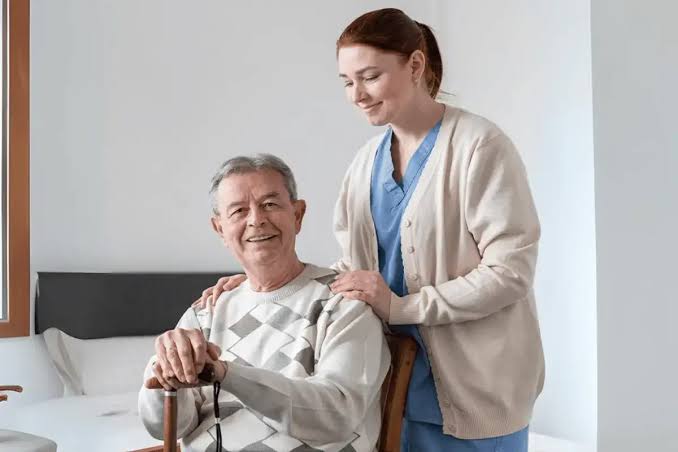

Palliative Care: Enhancing Quality of Life in Lahore
Palliative Care: Enhancing Quality of Life in Lahore
When a loved one faces a serious or life-limiting illness, the healthcare journey can often feel overwhelming, focused primarily on clinical treatments, lab results, and frequent hospital visits. In this high-stress environment, the essential human aspect of care—comfort, dignity, and peace of mind—can sometimes be sidelined. This is the gap that palliative care is designed to fill.
It is a specialized medical approach that prioritizes the quality of life for patients and their families. While it is often misunderstood as synonymous with end-of-life or hospice care, palliative care is much more versatile and life-affirming. In a city like Lahore, where the healthcare landscape is complex and rapidly evolving, understanding and accessing palliative support can be a transformative step for your family.
What Exactly Is Palliative Care?
Palliative care is a holistic approach to medicine that focuses on relieving the symptoms, pain, and stress of a serious illness. Its goal is not necessarily to cure, but to improve the daily life of the patient.
1. It Is Not “Giving Up”
A common misconception is that opting for palliative care means stopping treatment or “giving up.” On the contrary, palliative care can be provided alongside curative treatments—such as chemotherapy, radiation, or surgery—at any stage of an illness. It acts as an “extra layer” of support that helps patients endure aggressive treatments more effectively.
2. A Holistic “Whole-Person” Focus
Palliative care recognizes that suffering is not just physical. The care team addresses:
-
Physical Symptoms: Expert management of pain, nausea, fatigue, breathlessness, and insomnia.
-
Psychological Needs: Providing counseling to help patients and family members cope with anxiety, depression, and the emotional weight of a diagnosis.
-
Spiritual and Social Support: Respecting the patient’s faith, values, and cultural beliefs while helping them find peace and purpose.
-
Caregiver Relief: Palliative care provides education and respite for family caregivers, who often face burnout while trying to manage complex medical routines.
The Landscape of Palliative Care in Pakistan
It is important to acknowledge that palliative care as a formal medical specialty is still developing in Pakistan. Because the public sector infrastructure is currently strained, the private sector has become the primary provider for those seeking this specialized comfort. This reality makes proactive planning essential. Families in Lahore should not wait for a crisis to occur. Instead, they should actively inquire about pain management and palliative support as part of their loved one’s overall treatment plan from the moment a serious condition is diagnosed.
Accessing Palliative Care in Lahore
Given the current structure of healthcare in the city, families typically navigate palliative support through three main channels:
1. Hospital-Based Support
If your loved one is already undergoing treatment at a tertiary care hospital, ask the attending physician for a referral to a Pain Management Specialist or an Oncologist who emphasizes supportive care. While few hospitals have dedicated “Palliative Care Wards,” many have specialists who can provide the necessary symptom management.
2. Professional Home-Based Care
For many patients in Lahore, the home environment is the best setting for palliative care. It reduces the risk of hospital-acquired infections and keeps the patient near their family.
-
What to look for: Seek home nursing agencies that offer Specialized Chronic Care or Cancer Patient Care packages.
-
How it works: A professional agency like Aviva Home Health Care Services can provide trained nurses who are not just there to monitor vitals, but to manage pain protocols, assist with nutrition, and provide the psychological support necessary for a patient with a progressive illness.
3. Digital Platforms
To find individual consultants, you can use digital health platforms like Marham or Instacare to filter for specialists in “Pain Management” or “Supportive Care” in Lahore. These platforms allow you to read reviews from other families and book appointments for either clinical visits or home-based consultations.
Practical Steps for Families in Lahore
If you are currently caring for someone with a serious illness, here are the steps you can take today to improve their quality of life:
-
Start the Conversation Early: Don’t wait for the symptoms to become unmanageable. Ask your doctor: “How can we better manage the patient’s discomfort and improve their quality of life alongside their current treatment?”
-
Create a Support Team: Palliative care is multidisciplinary. A strong support team for your loved one should ideally include their primary doctor, a trained nurse (for daily comfort and medication), and a counselor or spiritual guide to help with the emotional journey.
-
Prioritize Pain Management: Effective pain control is the cornerstone of palliative care. Work closely with a pain management expert to ensure your loved one is comfortable.
-
Care for the Caregiver: You cannot pour from an empty cup. Recognize that the emotional burden of caregiving is real. Don’t hesitate to use nursing agencies for relief shifts so that you can rest and recharge.
How Home Healthcare Agencies Facilitate Palliative Care
When you hire an agency like Aviva Home Health Care Services, you are not just hiring a nurse; you are bringing a system of support into your home. Their role in palliative care is multifaceted:
-
Continuity of Care: They ensure the doctor’s pain management plan is executed precisely at home, 24/7.
-
Early Intervention: A trained nurse can notice subtle changes in the patient’s condition—such as a decrease in appetite or increased breathing difficulty—long before they become an emergency, allowing for early intervention.
-
Education: They teach family members how to move the patient to prevent bedsores, how to assist with specialized feeding, and how to create a calm, conducive healing environment.
The Role of Empathy in Medical Care
Ultimately, palliative care is a profound act of compassion. It is the commitment to ensuring that even when a disease cannot be cured, the person living with it remains comfortable, valued, and at peace.
While the system in Lahore may present challenges, being informed and proactive allows you to navigate these resources effectively. By choosing to prioritize comfort and quality of life, you provide your loved one with the greatest gift of all: the ability to live their remaining days with dignity, surrounded by the people they love in the home they cherish.
Disclaimer: This article is for informational purposes only and does not constitute medical advice. Please consult with your primary healthcare provider to discuss whether palliative support is appropriate for your loved one’s specific medical situation.